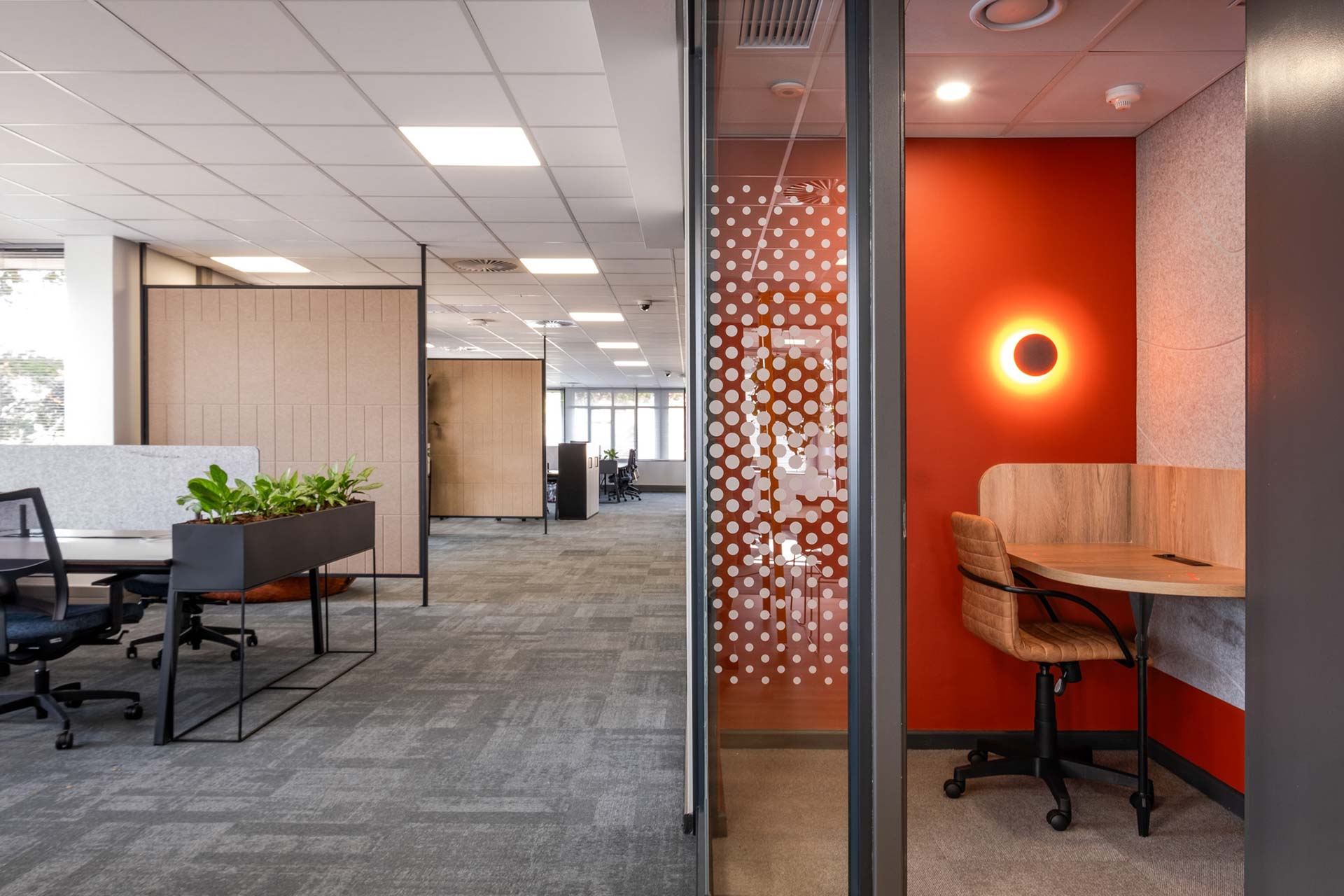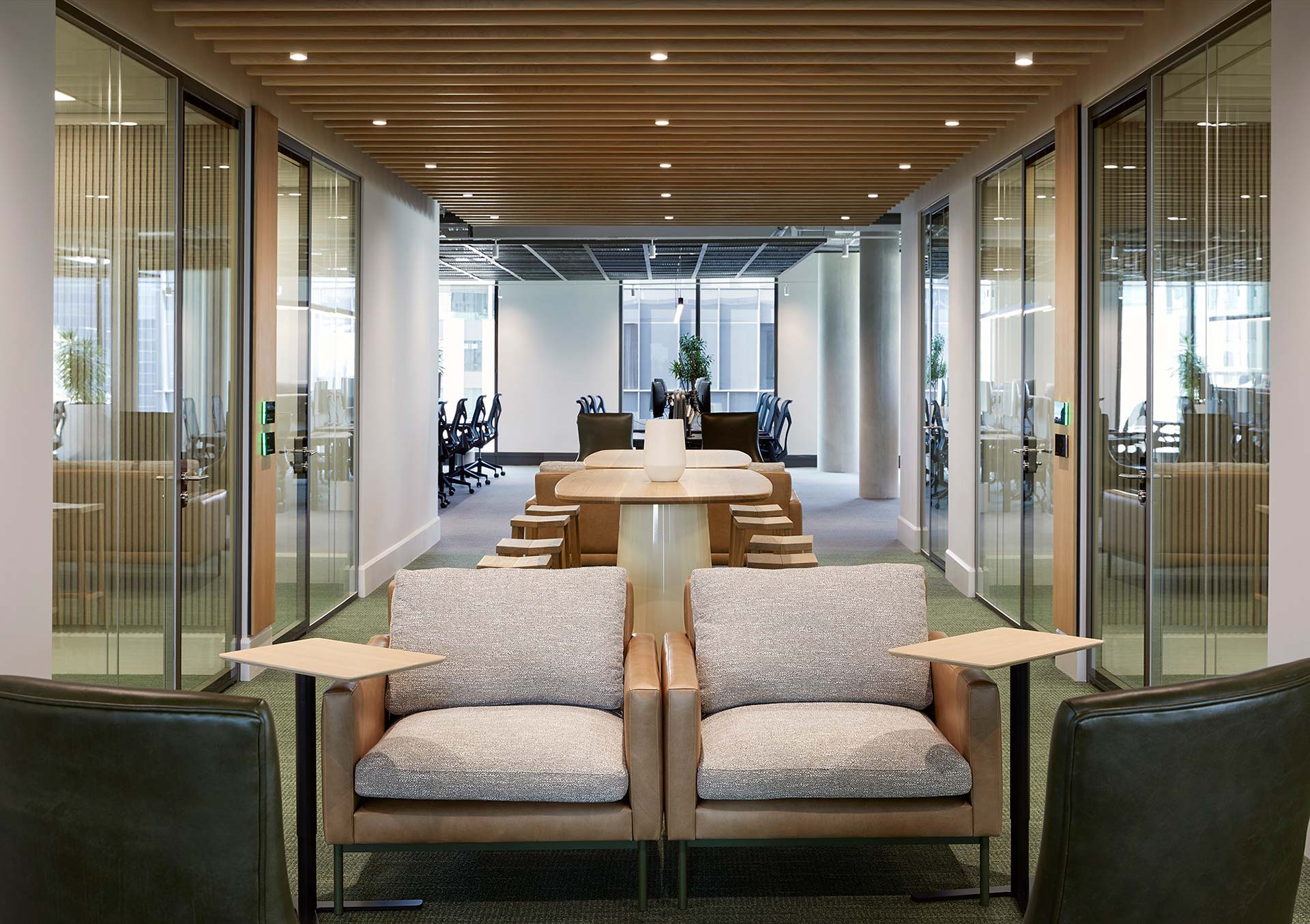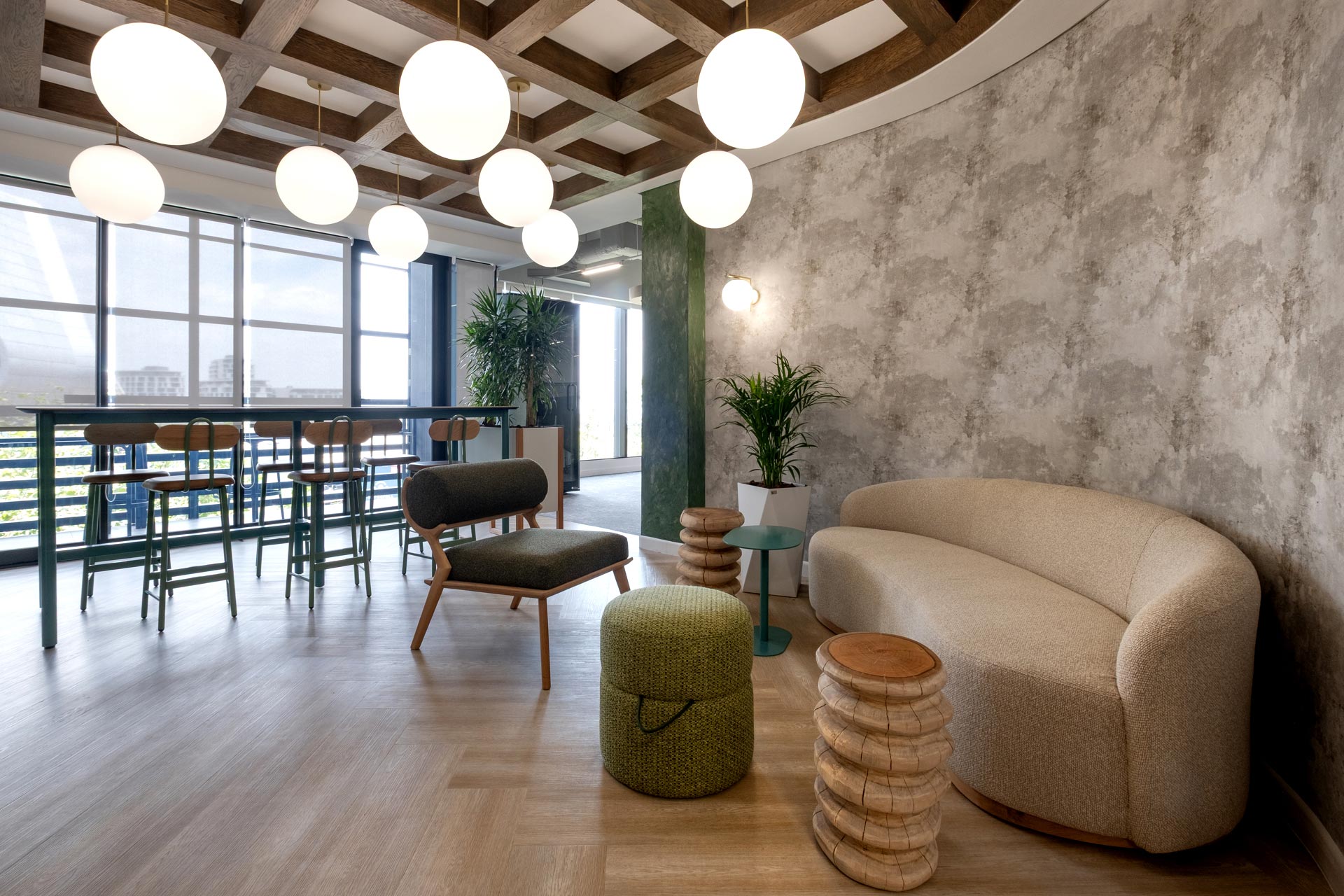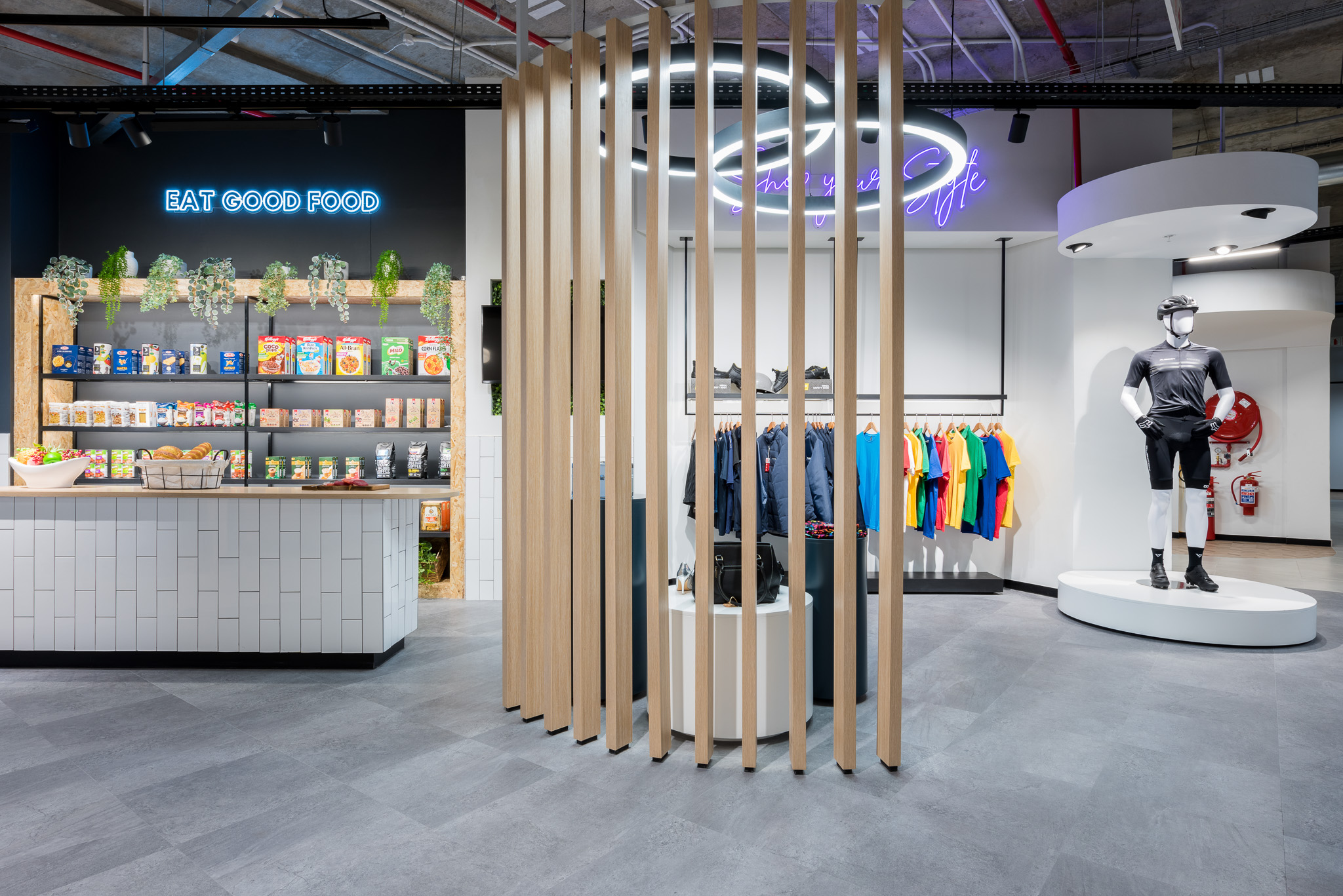
Innovative retail space design is the strategic integration of architectural layouts, bespoke furniture, and experiential technology to create immersive brand environments. In the South African market, this approach focuses on specialised FF&E (Furniture, Fixtures, and Equipment) procurement that prioritises customer engagement and sensory interaction over traditional product shelving. By leveraging furniture consultancy services, retailers can transform functional floor plates into destination-led experience centres.
In the evolving landscape of South African commerce, the physical retail environment is changing. Once a transactional process—a simple exchange of currency for goods—stores were utilitarian spaces designed to showcase products in a basic manner. As digital commerce provides convenience, the purpose of the physical store has shifted toward brand immersion.
The rise of “experience centres” represents a new phase for the industry. Retail spaces are now destinations designed to foster emotional connections. At Design Colab, our FF&E solutions team helps retailers transform their floor plates into storytelling environments through strategic furniture and equipment procurement.
The Evolution of Retail Design: From Traditional Stores to Immersive Experience Centres
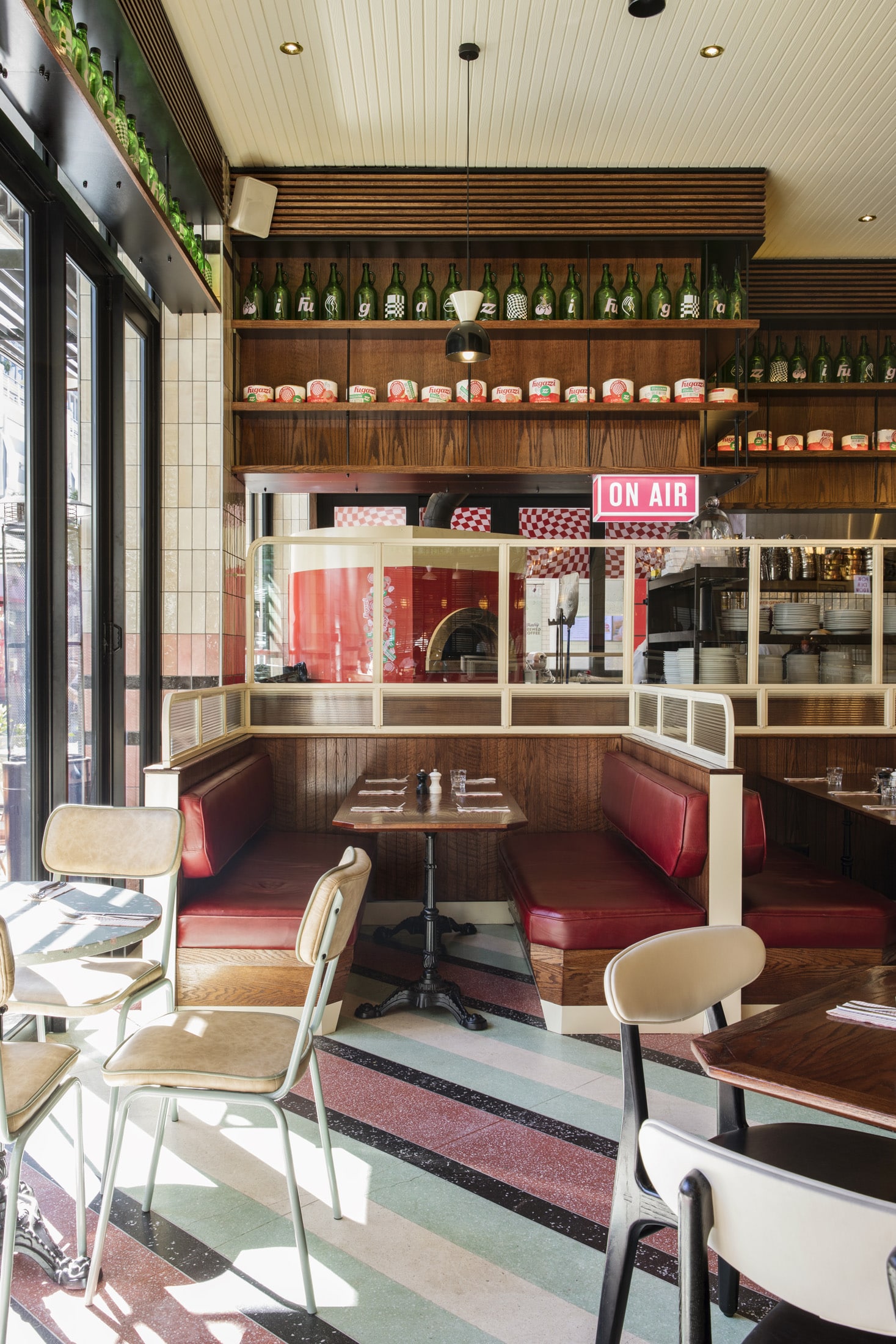
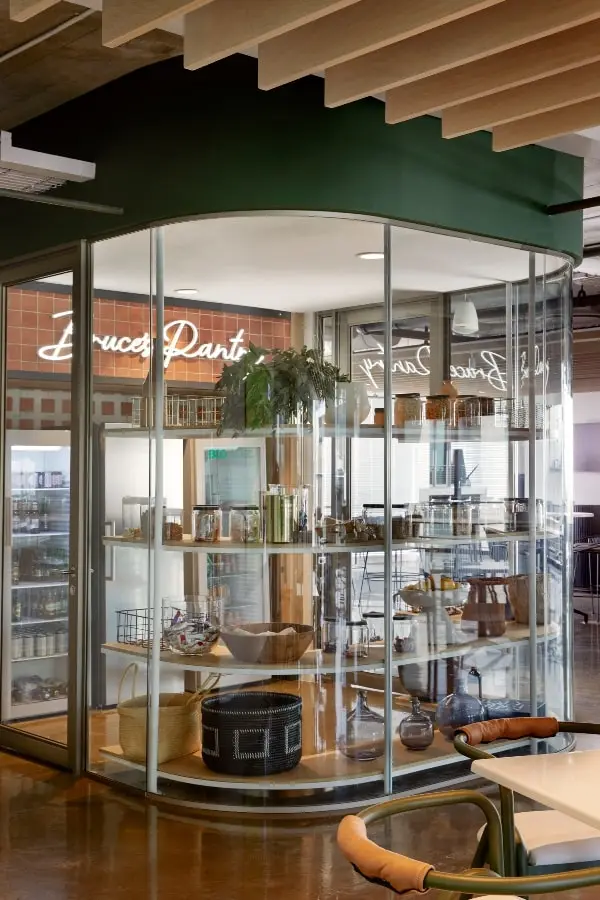
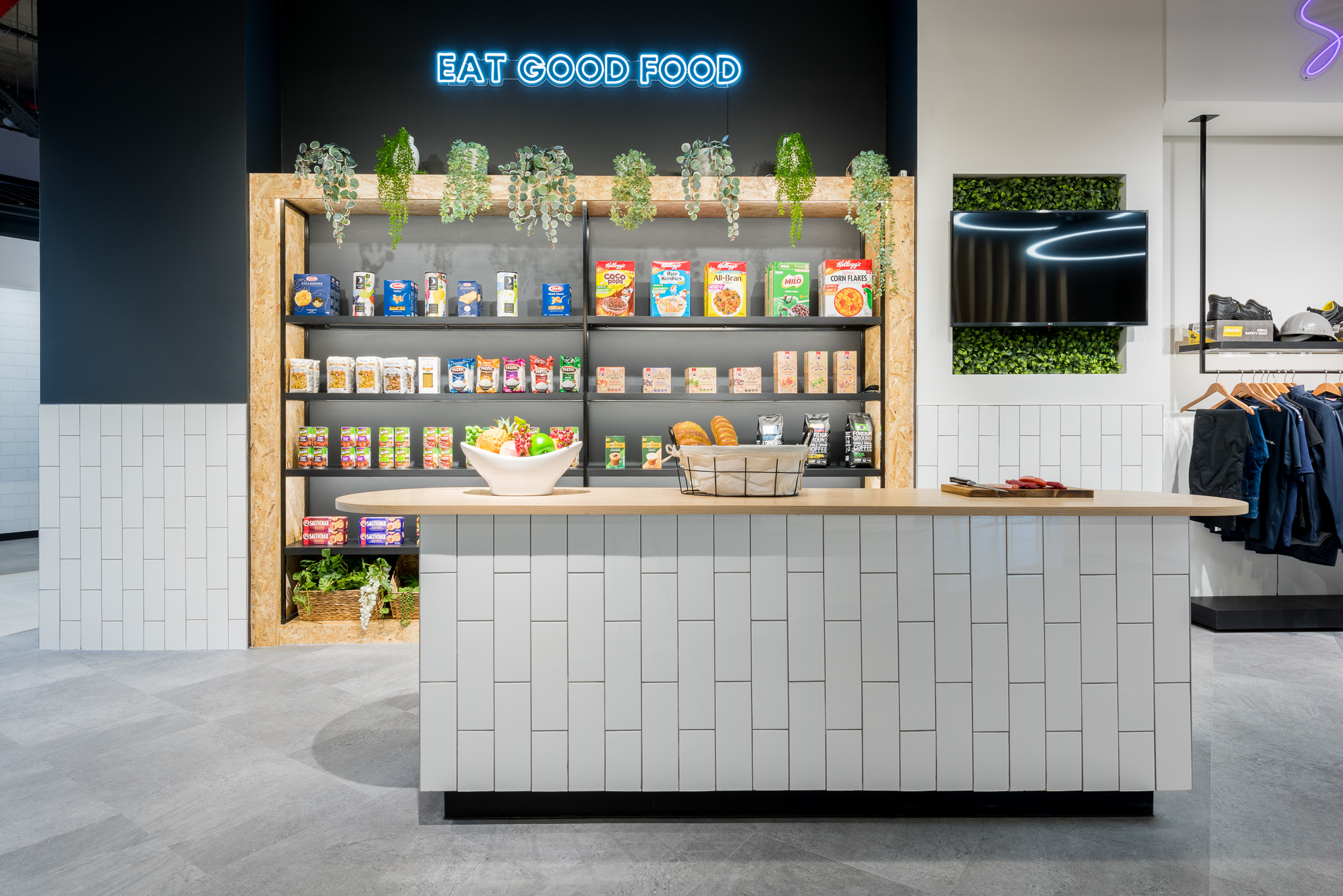
Retailers in South Africa have realised that to compete with online shopping, they must offer tangible, sensory experiences. This shift has increased the demand for specialised furniture for hotels, bespoke café furniture, and furniture fixtures. These elements convert a standard shop into a hub for experiential retail.
Comparison: Traditional Retail vs Experiential Retail
| Feature | Traditional Retail | Experiential Retail |
|---|---|---|
| Primary Goal | Efficient Transactions | Brand Engagement & Loyalty |
| Layout Focus | High-density shelving/Aisles | Open zones and interactive touchpoints |
| Customer Journey | Linear and utilitarian | Exploratory and discovery-based |
| FF&E Strategy | Standardised, mass-produced | Bespoke, hospitality-inspired furniture |
| Dwell Time | Minimised for quick turnover | Maximised to build brand affinity |
Furniture suppliers in South Africa are now creating “hybrid” environments. High-end showrooms often incorporate the comfort of a lounge or a hospitality-style café where the seating furniture is part of the inventory. These spaces prioritise the sensory experience, blending practical furniture needs with an engaging atmosphere.
The Hospitality Influence on Modern Retail Narrative
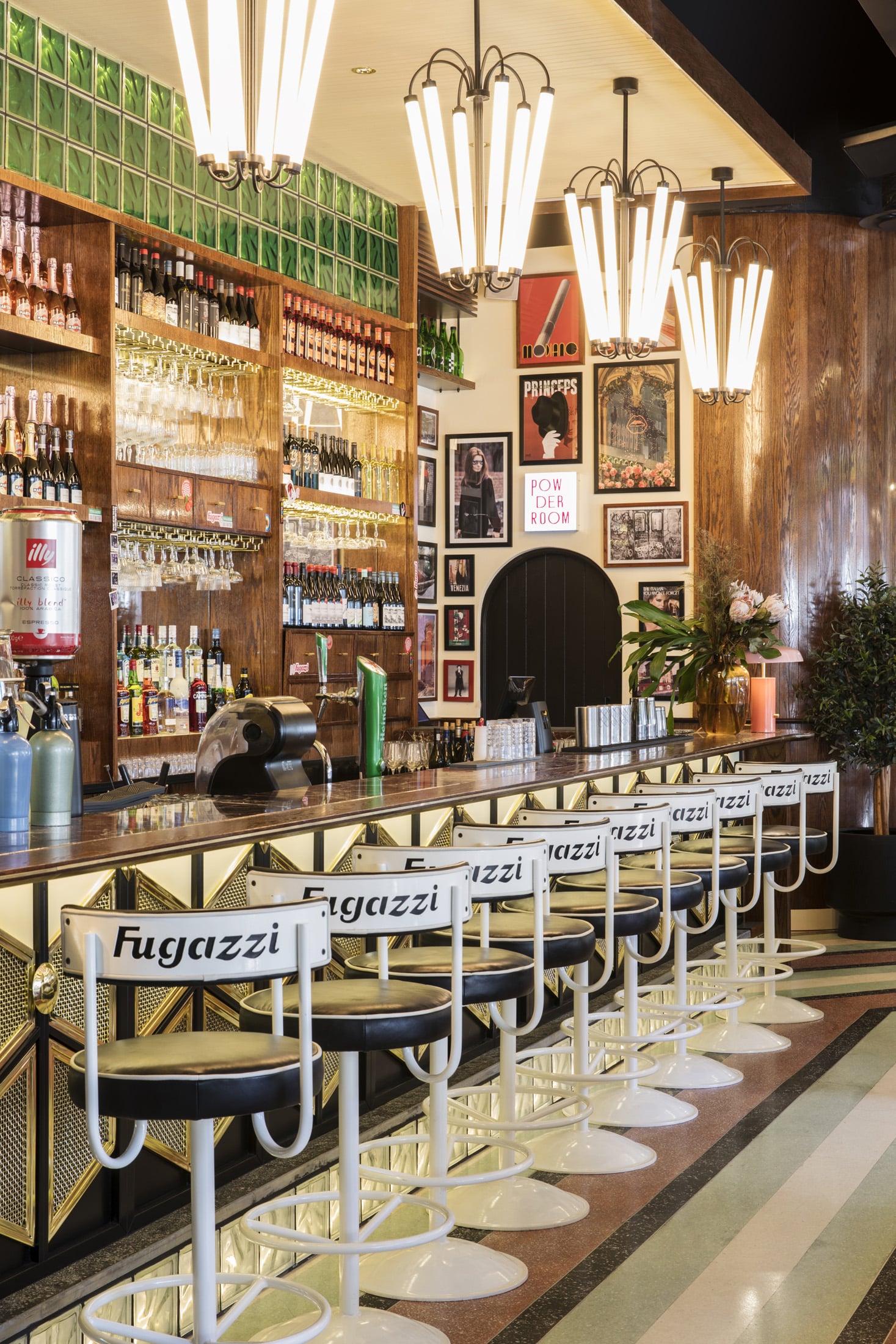
Hospitality interior services have pioneered this trend. Even hotel furniture suppliers now cater to boutique retail establishments. In these spaces, hospitality beds or luxury armchairs are not just functional items; they are part of a design narrative that encourages guests to engage with products. By blurring the lines between “living” and “shopping,” brands can increase dwell time and foster long-term loyalty.
Leveraging Technology in Retail Spaces: Enhancing Engagement through Design
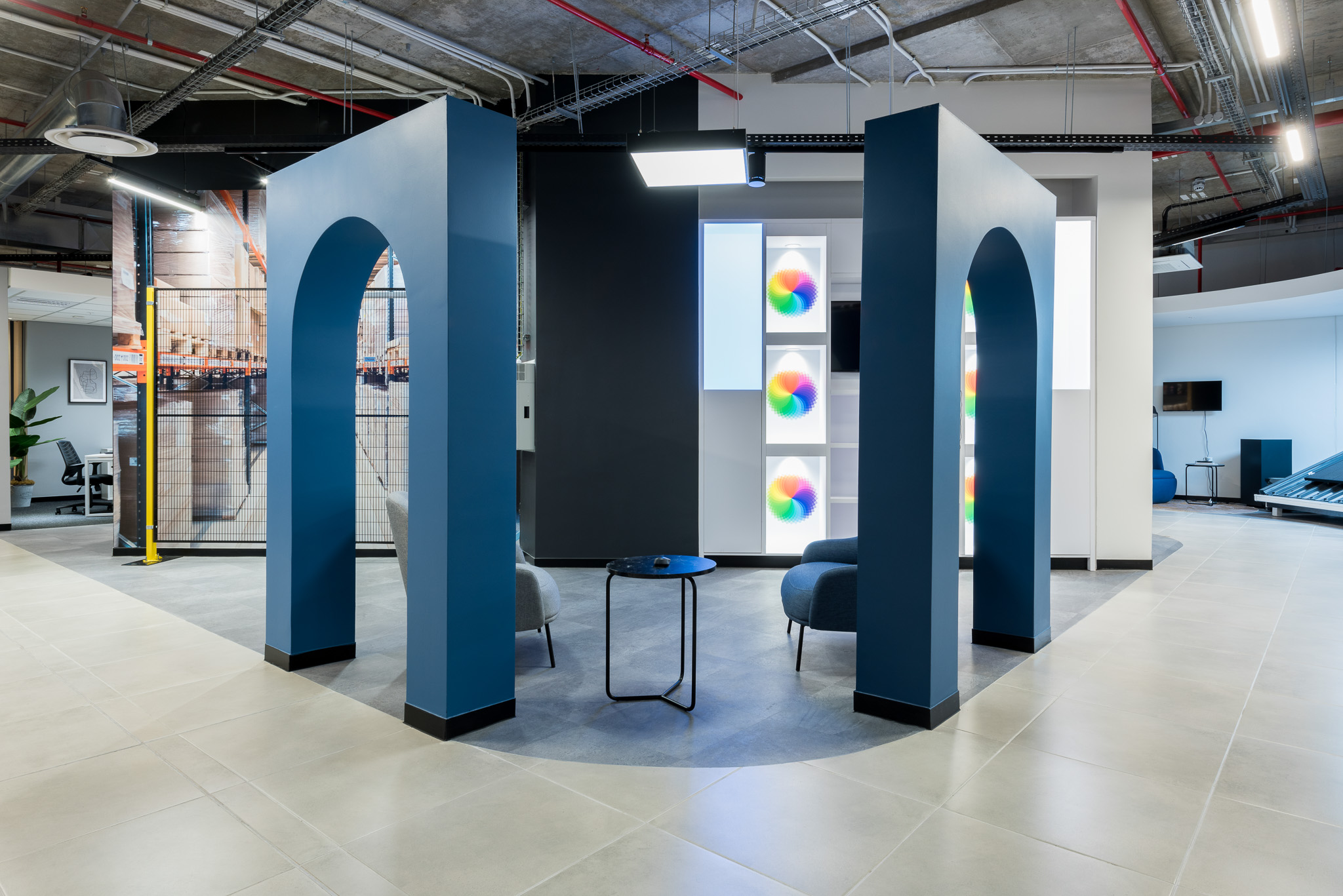
The modern experience centre is often a high-tech hub. Interactive displays that allow customers to visualise furniture procurement services or turnkey furniture solutions are becoming standard in the local market.
Virtual Reality: The New Frontier of Furniture Procurement
Virtual Reality (VR) and Augmented Reality (AR) stations are now part of sophisticated showrooms. These tools allow customers to test wholesale furniture in a virtual version of their own space before purchase. This technology improves customer interaction, making furniture vendors partners in the design process.
Leading furniture suppliers use these technologies to let clients virtually test commercial dining chairs or explore digitised commercial furniture. This builds trust and reduces purchase uncertainty. At Design Colab, we ensure that IT integration within our furniture pieces supports a seamless digital experience.
Strategic Design for Maximising Product Visibility and Customer Flow
Designing a retail space that maximises visibility while ensuring a seamless flow of customers requires strategic planning of layout and movement. Each element—from lighting to tables—must guide the visitor through the space to ensure exposure to key products.
The Planning of the Customer Journey
The arrangement of retail furniture determines the success of a commercial space. Thoughtful placement creates inviting, open areas that encourage movement. Conversely, nooks equipped with soft seating or booth seating offer settings for private consultations.
Visibility is critical in high-performance retail. By highlighting zones through strategic lighting and elevated units, retailers direct attention to new arrivals. Smart layout planning using modular furniture fixtures ensures an intuitive journey, reducing congestion and improving satisfaction.
Collaborative FF&E: Alliances for Brand Identity
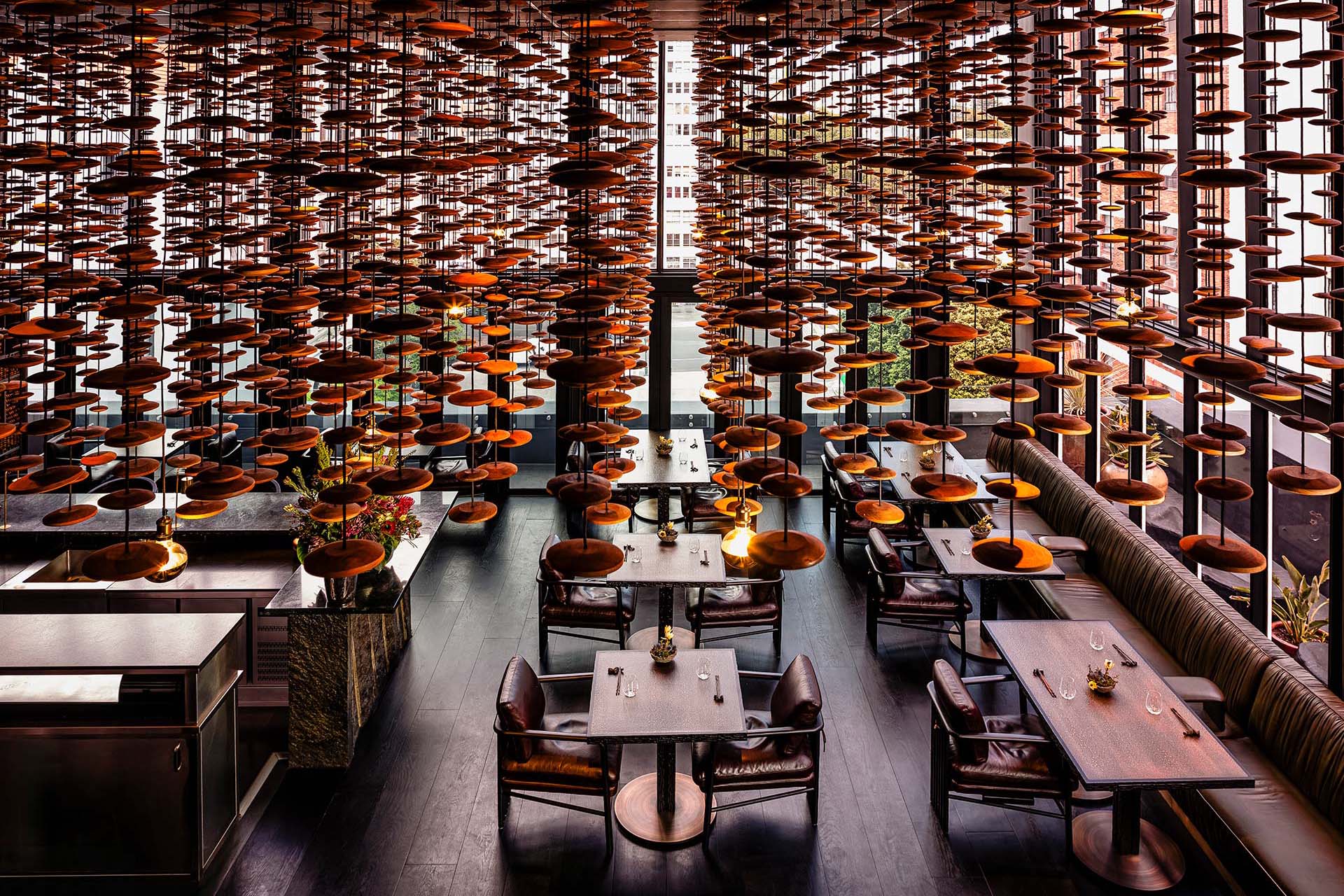
Strategic alliances with specialized furniture suppliers for retailers are essential. These partners provide bespoke pieces that fit the theme of the retail space. This turnkey furniture service approach results in a space that is resonant with the brand’s identity. We select finishes and materials that reflect your brand’s quality, ensuring a professional impression for every visitor.
The Economic ROI of Experiential Retail Design
There is a strong business case for investing in innovative retail design. Experience centres often see higher conversion rates because they allow the customer to interact with the product. When a customer spends time in a well-designed space—perhaps using a bespoke café chair—they build a psychological connection to the brand.
Furthermore, by utilising turnkey procurement services, retailers ensure their rollout is cost-effective and on-schedule. Managing lead times and installation through a single point of contact reduces coordination overhead and ensures the physical space matches the original design concept.
Frequently Asked Questions
Transform your retail space into an immersive experience with Design Colab. Our expertise in strategic design and innovative furniture solutions will elevate your store and captivate customers. Contact us today to learn how we can help you stand out in the competitive retail landscape.
Let’s create a space that reflects your brand identity and keeps customers engaged.
What is the primary benefit of an experience centre in retail?
Experience centres prioritise brand engagement over direct sales, allowing customers to interact with products in a sensory environment. This increases dwell time and builds long-term brand loyalty that digital platforms cannot replicate.
How does FF&E procurement impact retail ROI?
Strategic FF&E procurement ensures that furniture and fixtures are durable, brand-aligned, and designed to optimise customer flow. High-quality furniture increases the perceived value of products and can lead to higher conversion rates.
What is the role of technology in modern furniture showrooms?
Technology like VR and AR allows customers to visualise furniture in their own homes or offices before buying. This reduces the risk of returns and enhances the customer’s confidence in the brand’s procurement services.
Why is hospitality-inspired furniture trending in retail?
By adopting hospitality elements—like comfortable seating and café zones—retailers create a “dwell” environment. This shift from transactional to social shopping encourages customers to spend more time interacting with the brand.
How can a retail layout improve customer flow?
By adopting hospitality elements—like comfortable seating and café zones—retailers create a “dwell” environment. This shift from transactional to social shopping encourages customers to spend more time interacting with the brand.
Conclusion: Embracing the Future of the Retail Environment
The shift from traditional shopping to engaging experiences is now a standard in the South African market. The roles of furniture suppliers, technology, and strategic layout design are pivotal. With every furniture procurement service and wholesale furniture vendor embracing this wave, the future of retail design is becoming more immersive.
By combining functionality with experience, retailers create spaces that attract customers repeatedly. It is clear that the retail environment is no longer just about transactions; it is about creating memorable experiences. Our project gallery showcases how these principles of “experience first” design are applied to create world-class environments.
Ready to redefine your retail presence? Contact Design Colab today to learn how our turnkey furniture services and expert consultancy can help you create a retail destination that works for your brand.
Explore Our Retail & Hospitality Range:
- Bespoke Retail Seating & Armchairs
- Custom Display Tables & Desks
- Innovative Storage & Shelving Solutions
- Acoustic Solutions for Experience Centres