Hybrid Workspace Design: The Definitive Guide to Flexibility and Team Well-being
The modern South African corporate landscape is defined by a fundamental shift in spatial utility. The hybrid work model is the primary framework for forward-thinking organisations, harmonising remote flexibility with the strategic advantages of a physical headquarters. Design Colab facilitates this transition by engineering environments that enhance work-life balance while increasing measurable productivity.
Key Components of High-Performance Hybrid Environments
A functional hybrid office operates as a “collaboration hub” rather than a mere administrative centre. High-performance spaces utilise Activity-Based Working (ABW) principles and specialised FF&E procurement to support diverse task requirements.
What is Maximum Modularity in Office Design?
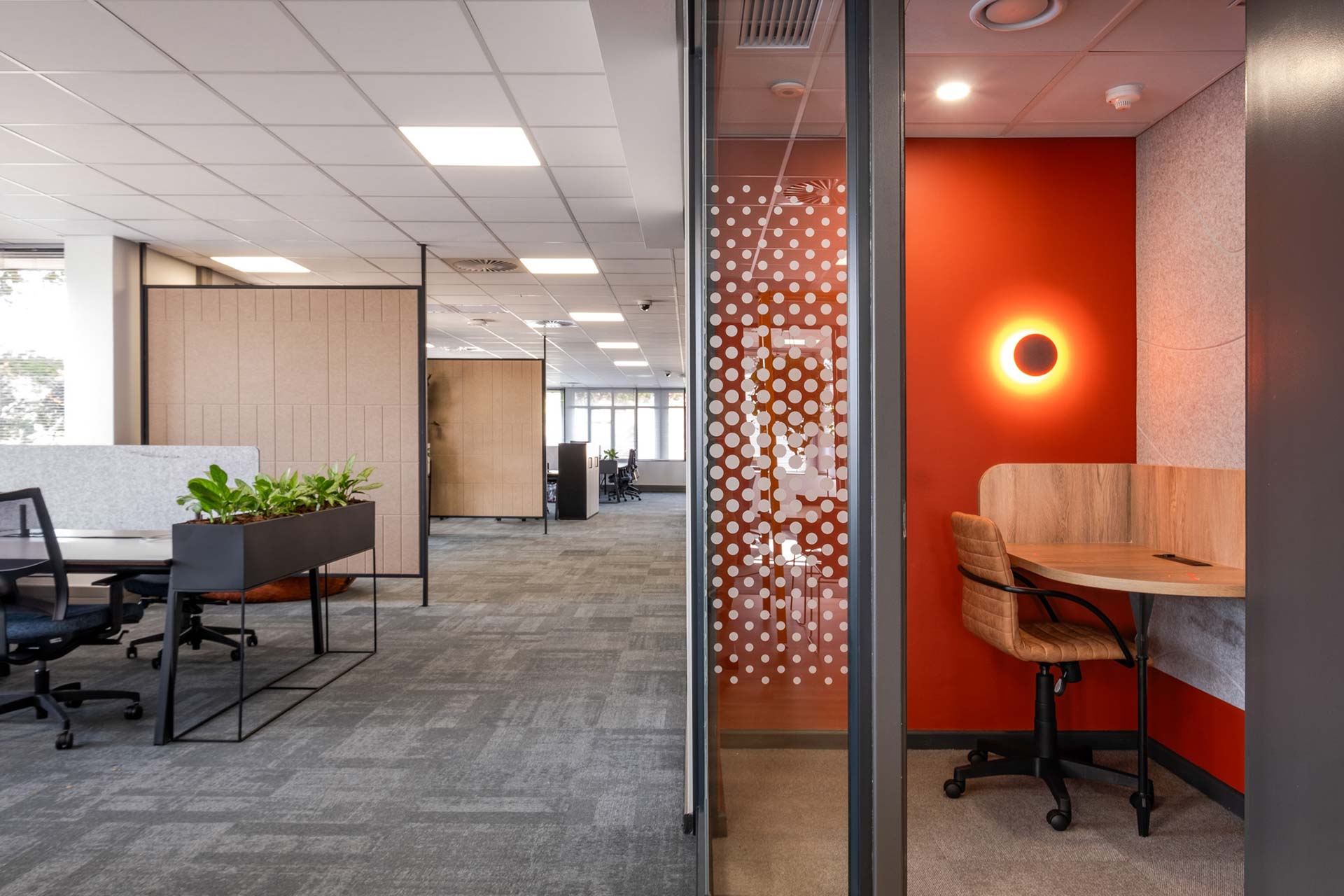
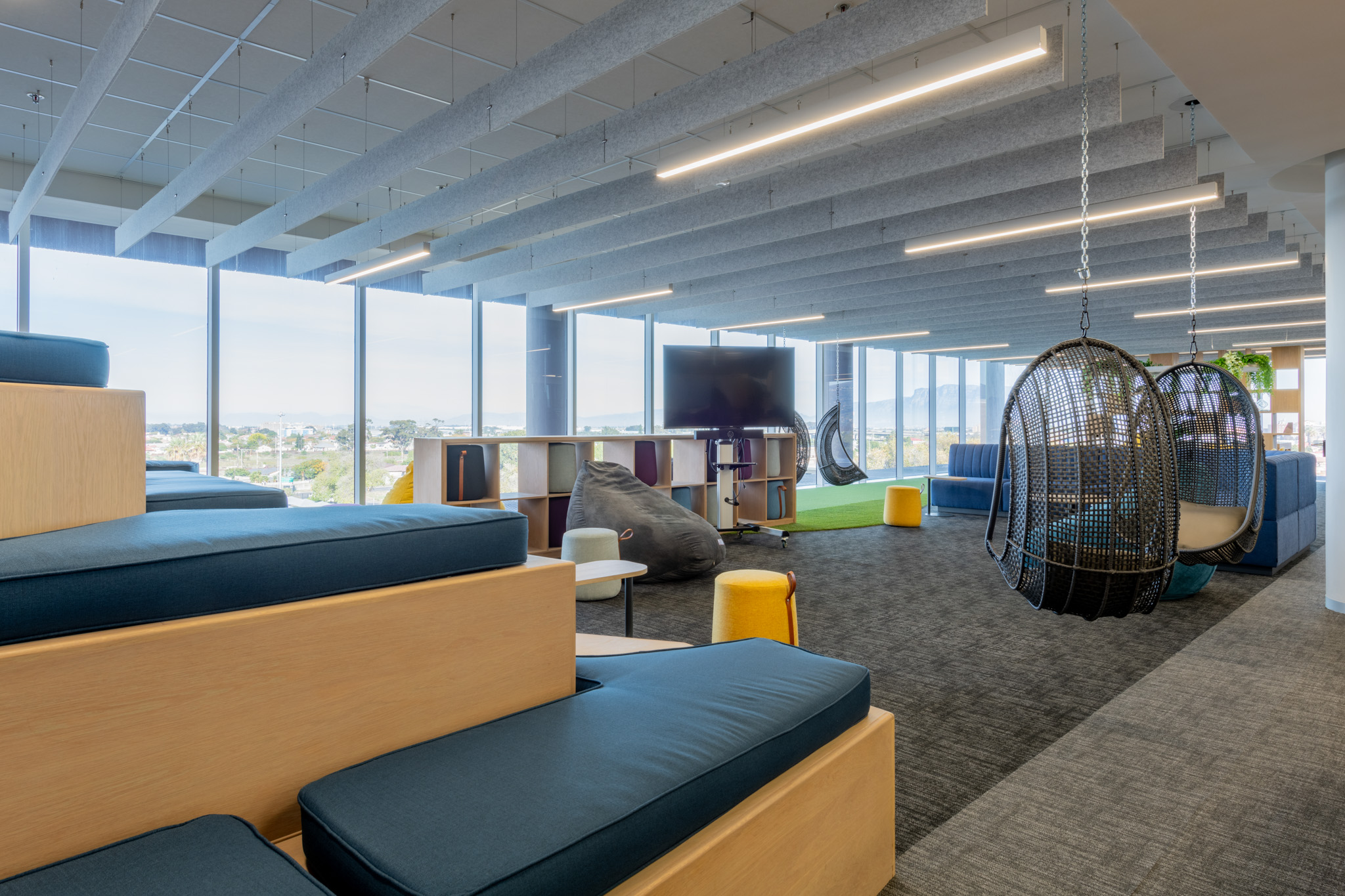
Modularity refers to the deployment of furniture that can be reconfigured without professional assistance. This includes nesting tables, mobile whiteboards, and acoustic screens. These elements allow teams to transition from private “deep work” zones to high-energy brainstorming areas within minutes.
How does Technology Integration enhance Connectivity?
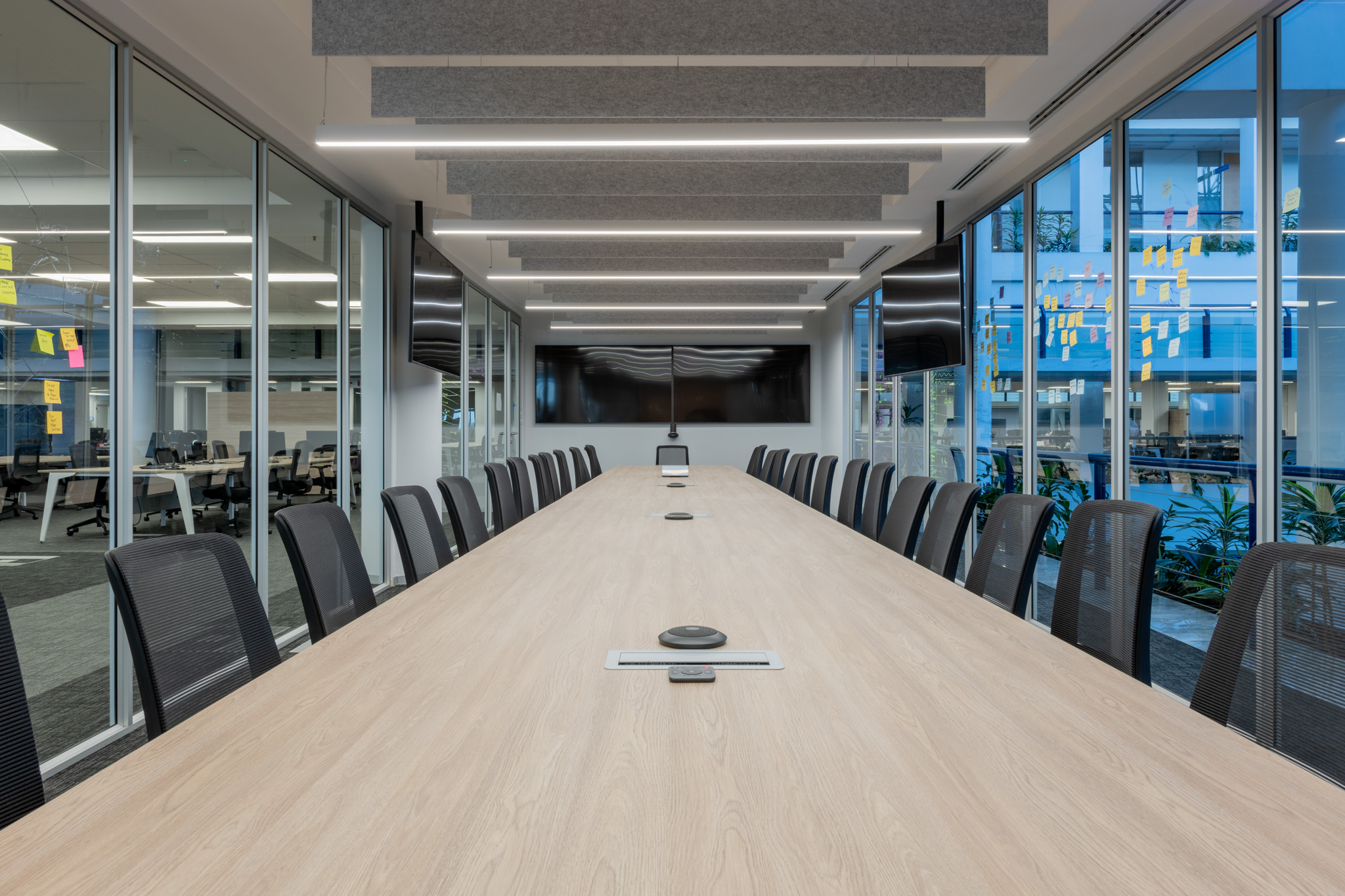
The “digital handshake” is the foundation of the hybrid model. Modern workspaces must include integrated power solutions, wireless charging stations, and state-of-the-art video conferencing facilities. By removing technical friction, organisations ensure that remote and in-office team members remain equally engaged.
Comparative Analysis: Workspace Models
| Feature | Traditional Office | Remote Only | Hybrid Workspace (Recommended) |
|---|---|---|---|
| Flexibility | Low (Fixed Desks) | High (Personal Choice) | Optimal (Balanced Autonomy) |
| Culture Building | High (Physical Presence) | Low (Digital Only) | High (Intentional Interaction) |
| Infrastructure | Standard Utilities | Home-based | Tech-integrated & Agile |
| Sustainability | High Energy Use | Fragmented | Optimised & Shared Resources |
Sustainability and Ethics in South African Procurement
Sustainability is a core pillar of modern South African design. Design Colab prioritises a procurement process that favours eco-friendly materials and energy-efficient solutions.
- Materials: We select finishes with low-VOC emissions and responsibly sourced timber.
- Local Impact: By partnering with local South African artisans, we reduce the carbon footprint associated with international logistics while stimulating the domestic economy.
Prioritising Wellness through Ergonomic FF&E
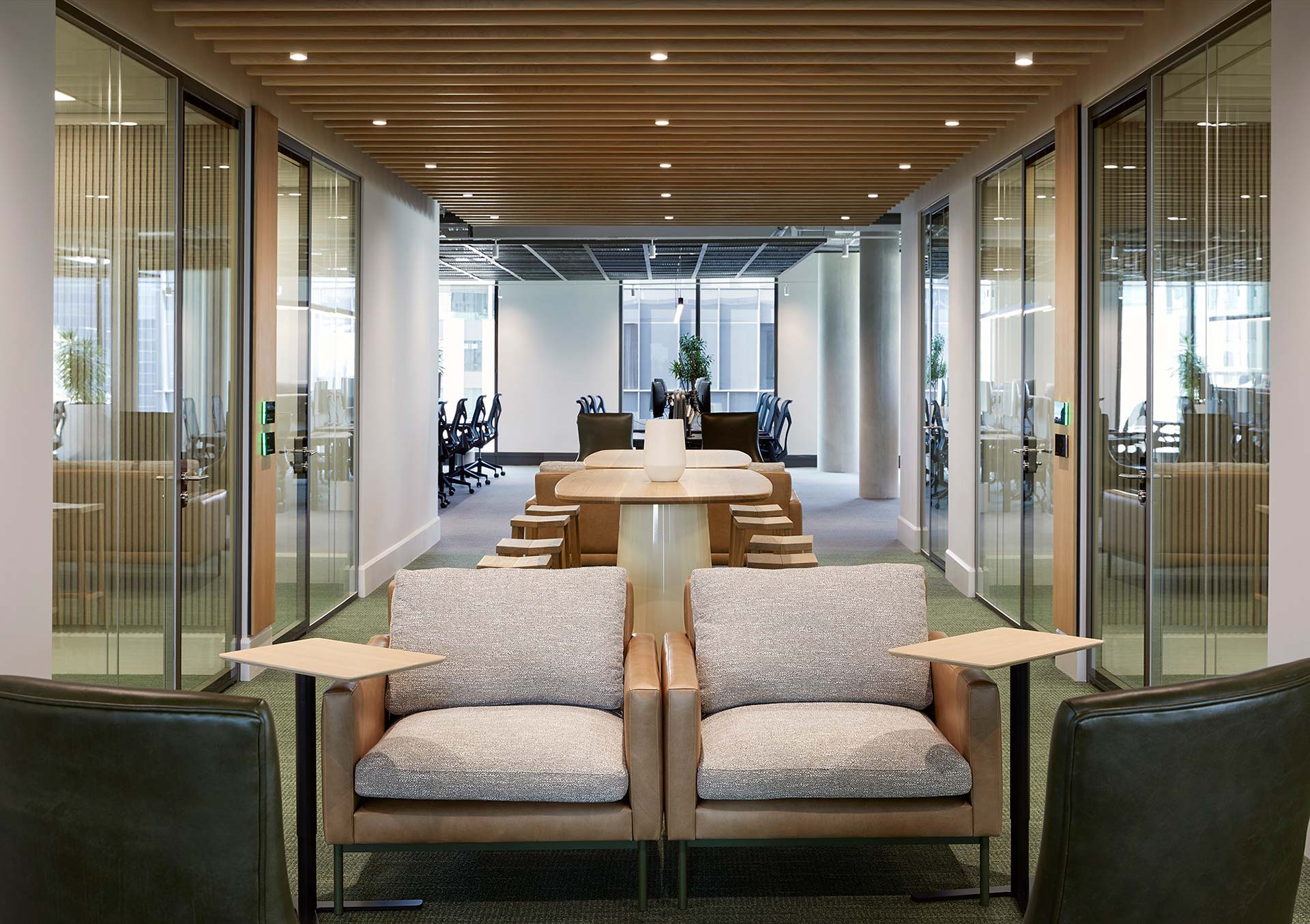
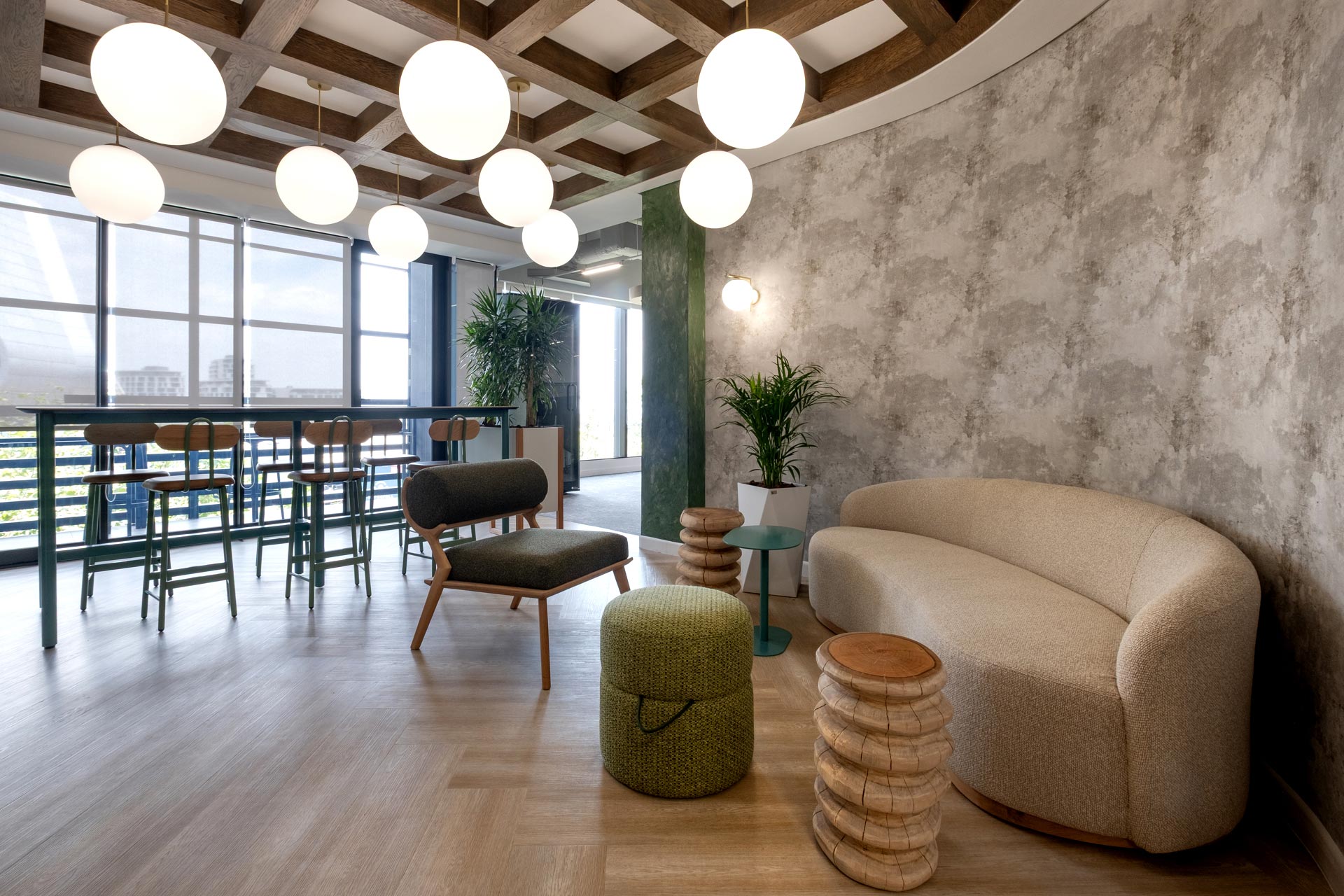
Employee retention in the hybrid era is directly linked to workplace comfort. A “resimercial” approach—blending residential comfort with commercial durability—is essential for a healthy workforce.
Why is Ergonomics critical for Hybrid Teams?
Ergonomic seating and sit-to-stand desks reduce long-term physical health risks and fatigue. Providing high-performance furniture demonstrates a corporate commitment to employee well-being, which is a key driver for talent retention.
What is Biophilic Design?
Biophilic design incorporates natural elements like indoor planters and maximised natural light. This approach is scientifically proven to reduce workplace stress and enhance cognitive performance.
Real-World Implementation: Project Gallery
Design Colab transforms hybrid theory into high-performance reality. Detailed evidence of these transformations can be found in our project gallery.
Sanlam Fintech Case Study
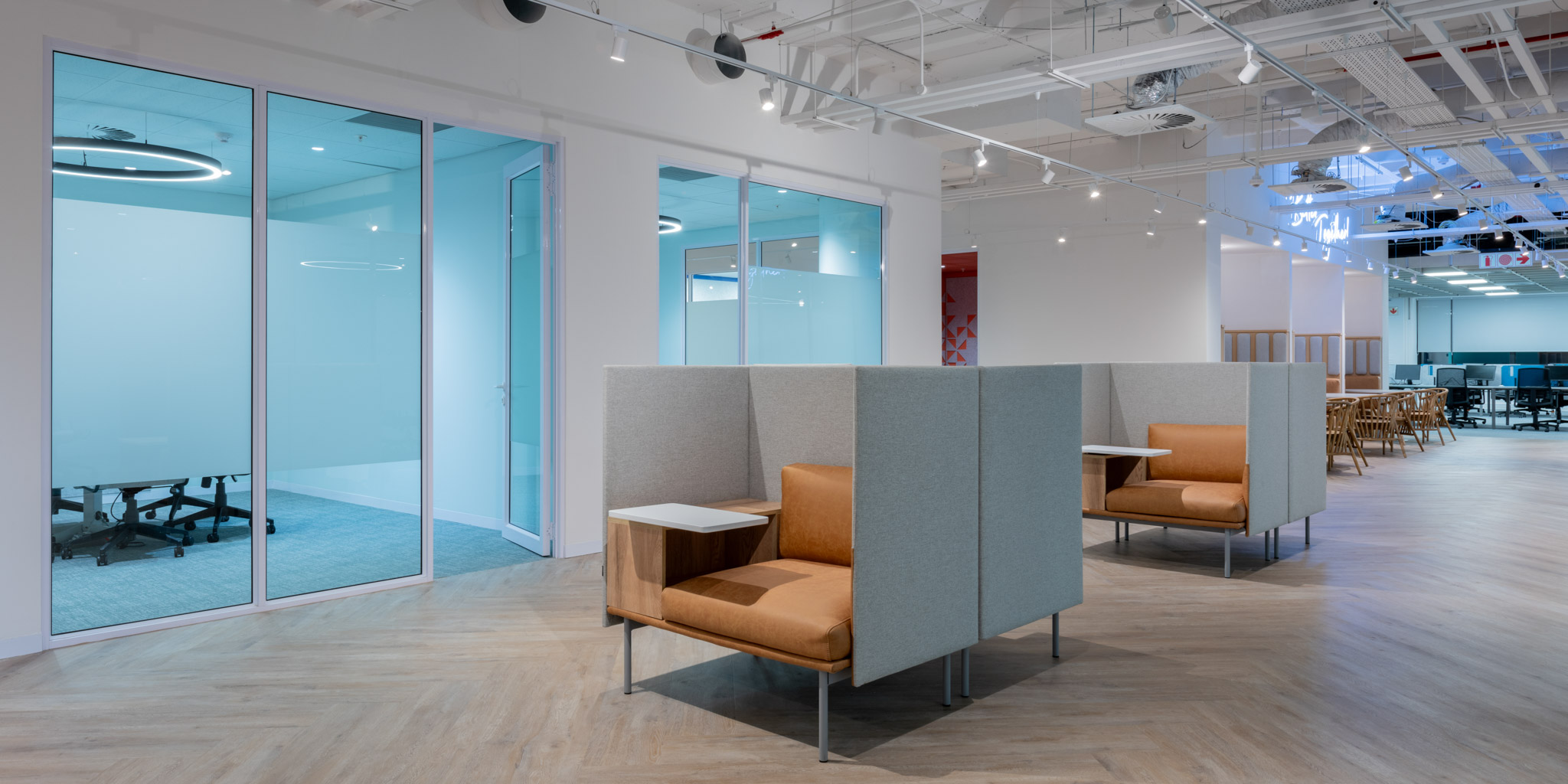
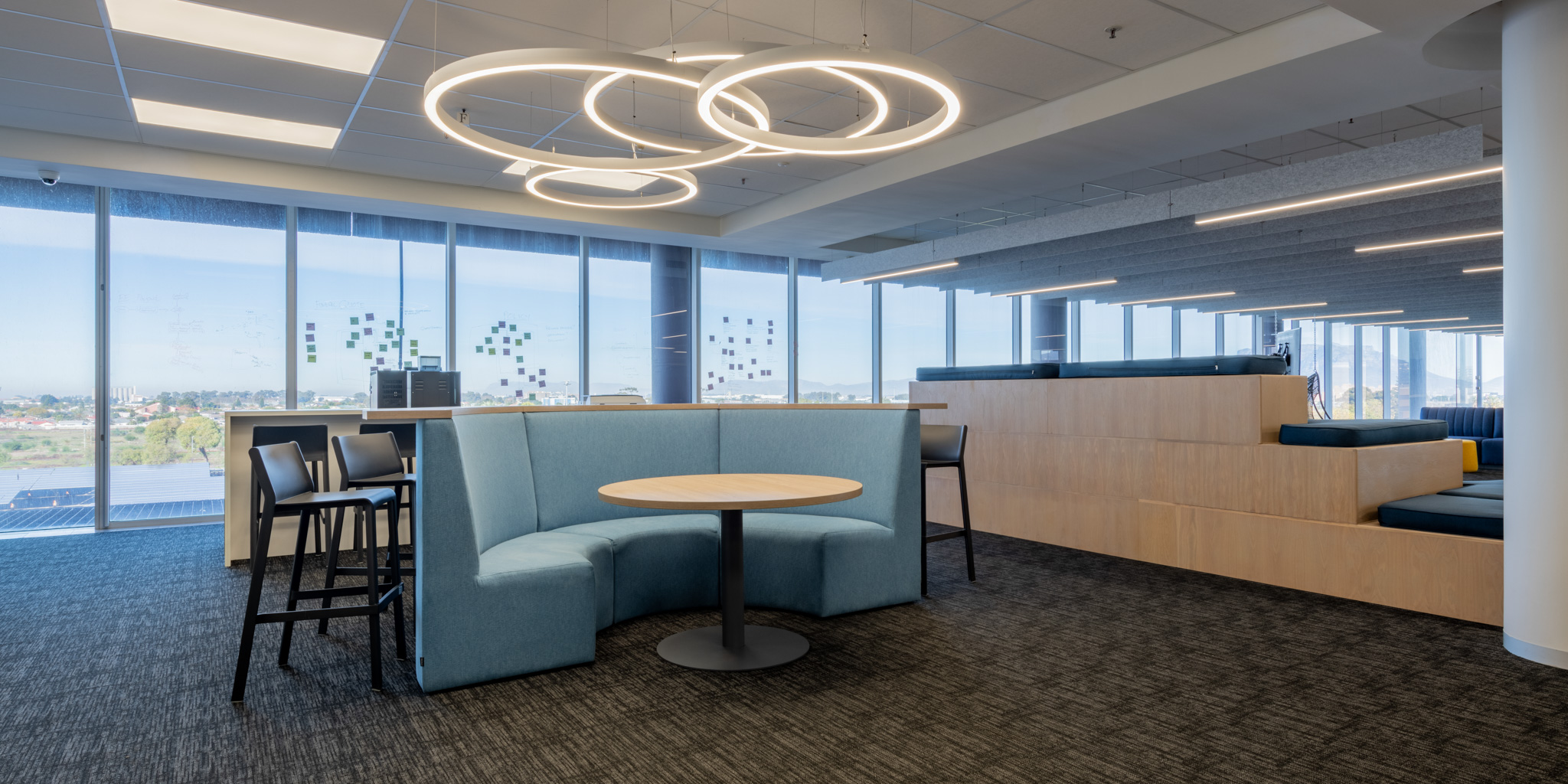
In collaboration with Paragon and Trend Group, we delivered a tech-forward workspace for Sanlam Fintech. The design features dynamic work zones and high-performance booth seating that caters to both individual focus and intense collaboration.
Capita Office Transformation
The Capita project showcases the deployment of acoustic solutions and adaptable work areas designed for a multi-generational workforce. This rollout represents a future-ready headquarters built on resilient FF&E strategies.
Frequently Asked Questions (FAQ)
Q: Why should my company adopt a hybrid work model?
A: Hybrid models offer the best of both worlds—the convenience of remote work and the collaborative infrastructure of a professional office. This balance improves recruitment, reduces overhead costs, and boosts employee satisfaction.
Q: How does Design Colab handle turnkey FF&E services?
A: We provide a complete turnkey service, from initial furniture consultancy to final installation. We ensure every piece of furniture aligns with your brand’s unique “Colab” culture.
Conclusion: Building the Future of Work
Investing in flexible solutions and smart technology transforms the office into a powerful asset for productivity. Hybrid design is not a temporary trend; it is the evolution of the professional environment. Contact Design Colab today to discuss your hybrid rollout and bespoke furniture requirements.