Smart Office Technology
By integrating advanced technological solutions into the very fabric of the building and its furnishings, workplaces can significantly boost efficiency, comfort, and overall employee well-being. At Design Colab, our FF&E (Furniture, Fixtures, and Equipment) consultancy is at the heart of this change, helping clients navigate the complex intersection of interior design and digital innovation. Let’s delve into how these innovations are transforming modern office environments into future-ready hubs of excellence.
The Rise of Smart Office Technology: A Strategic Necessity
Smart office technology encompasses a myriad of tools and systems designed to optimise every facet of workplace operations. This isn’t just about having the latest gadgets; it’s about a cohesive strategy that leverages data to improve the human experience. From automated lighting and climate control to intelligent meeting room management and advanced biometric security systems, these technologies create a more efficient and comfortable work environment.
In the realm of furniture procurement, we are seeing a shift where “smart” is no longer an optional add-on but a standard requirement. The goal is to create a frictionless day for the employee—where the environment anticipates their needs, allowing them to focus entirely on high-value tasks rather than adjusting their surroundings.
Enhancing Operational Efficiency with Intelligent Automation
Automation is the beating heart of smart office technology. By removing the need for manual adjustments, automated systems ensure that resources are used precisely when and where they are needed, reducing waste and operational costs.
Dynamic Lighting and Circadian Rhythms
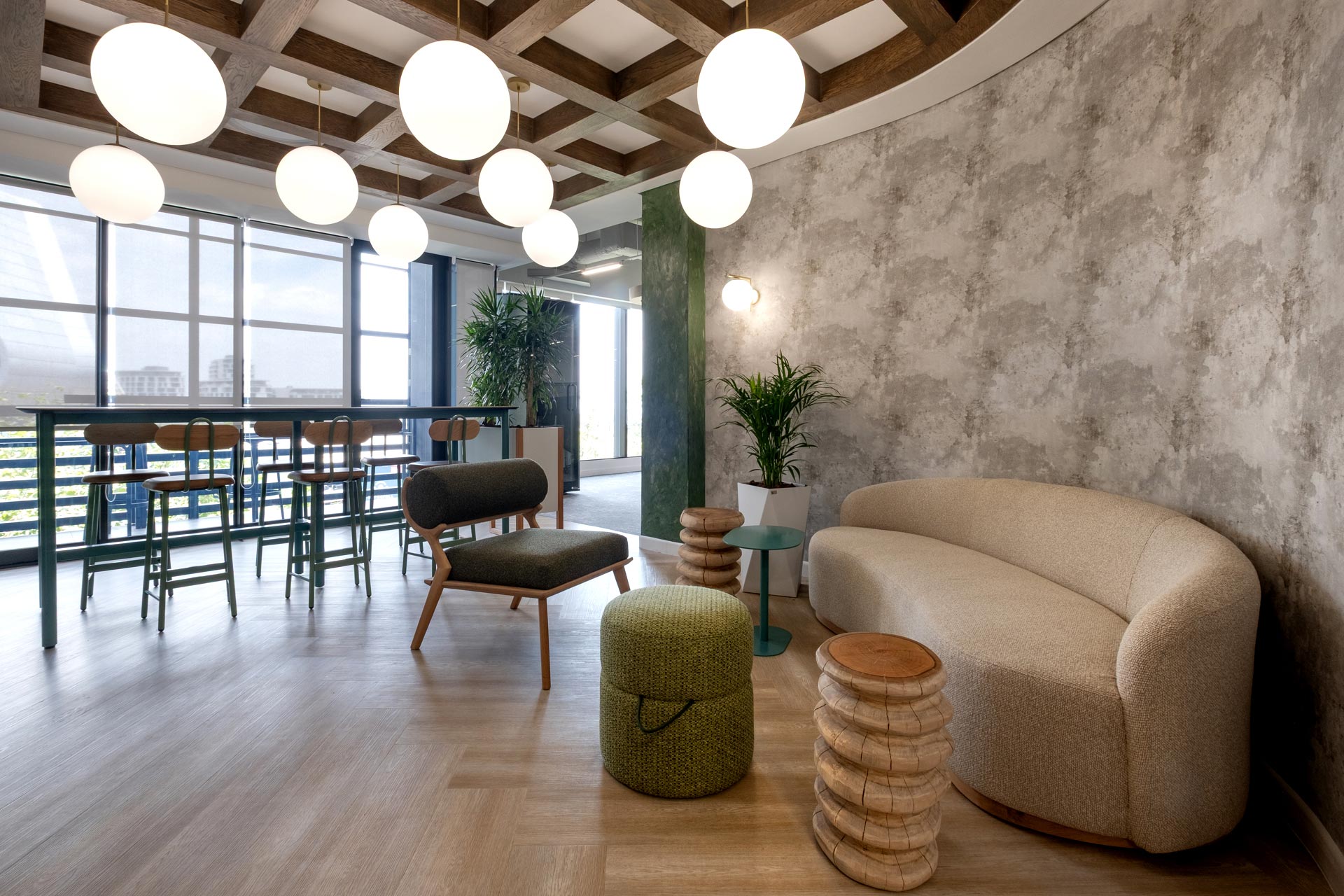
Smart lighting systems are perhaps the most visible form of workplace automation. These systems manage brightness and colour temperature throughout the day based on occupancy and the level of available natural light. For instance, smart bulbs can mimic the natural progression of sunlight – cooler, blue-enriched light in the morning to promote alertness, transitioning to warmer tones in the afternoon to reduce eye strain.
This biophilic approach to lighting enhances employee well-being and productivity by aligning the indoor environment with our internal biological clocks. Furthermore, occupancy sensors ensure that lights are only active when a space is in use, contributing to a significant reduction in energy consumption—a key consideration for brands focused on sustainability and local impact.
Intelligent Meeting Room Management
Efficiently managing meeting spaces is one of the most persistent challenges in a dynamic office environment. We have all experienced the frustration of “ghost meetings” – rooms that are booked but remain empty – or the double-booking of a critical boardroom.
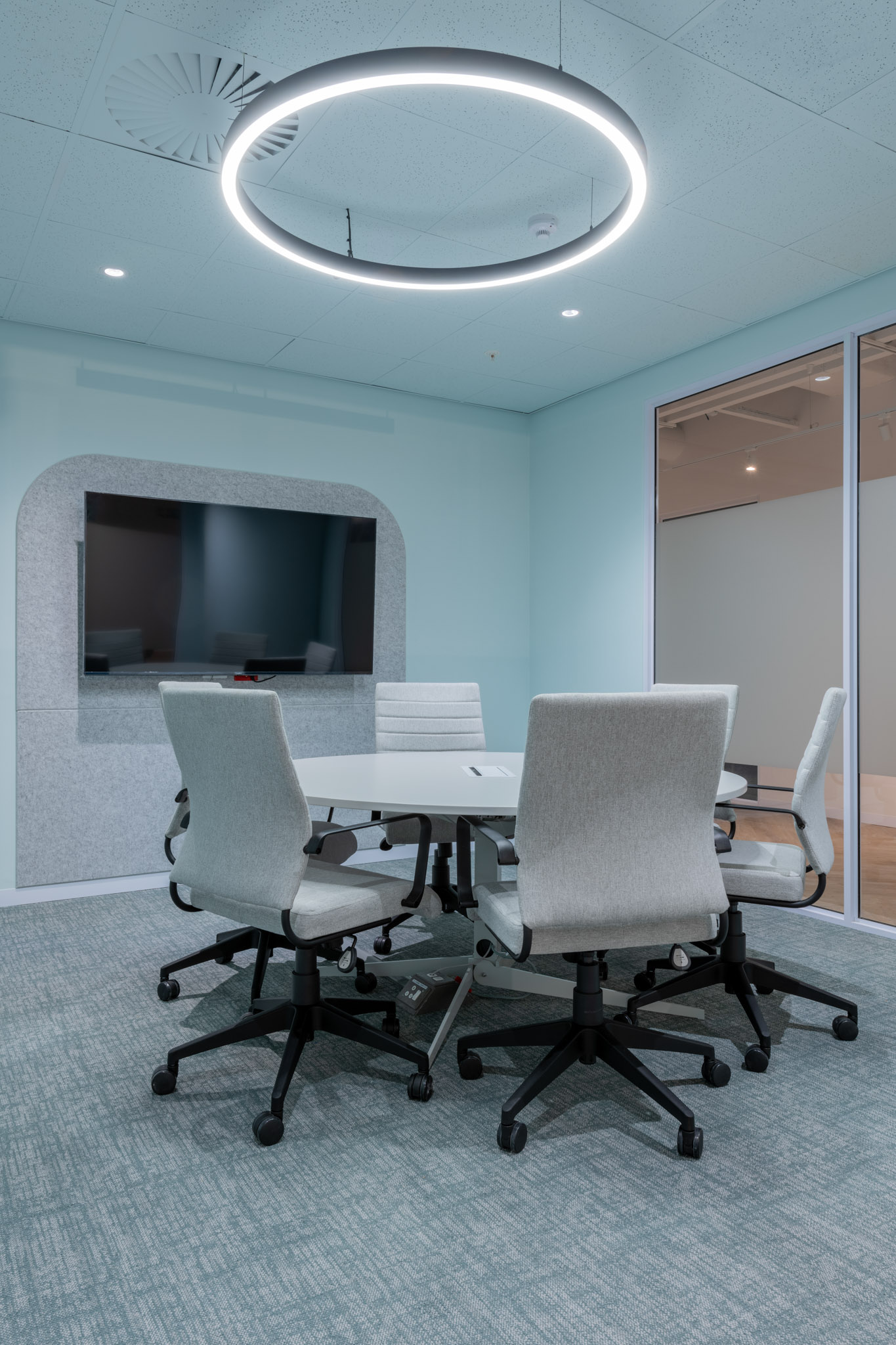
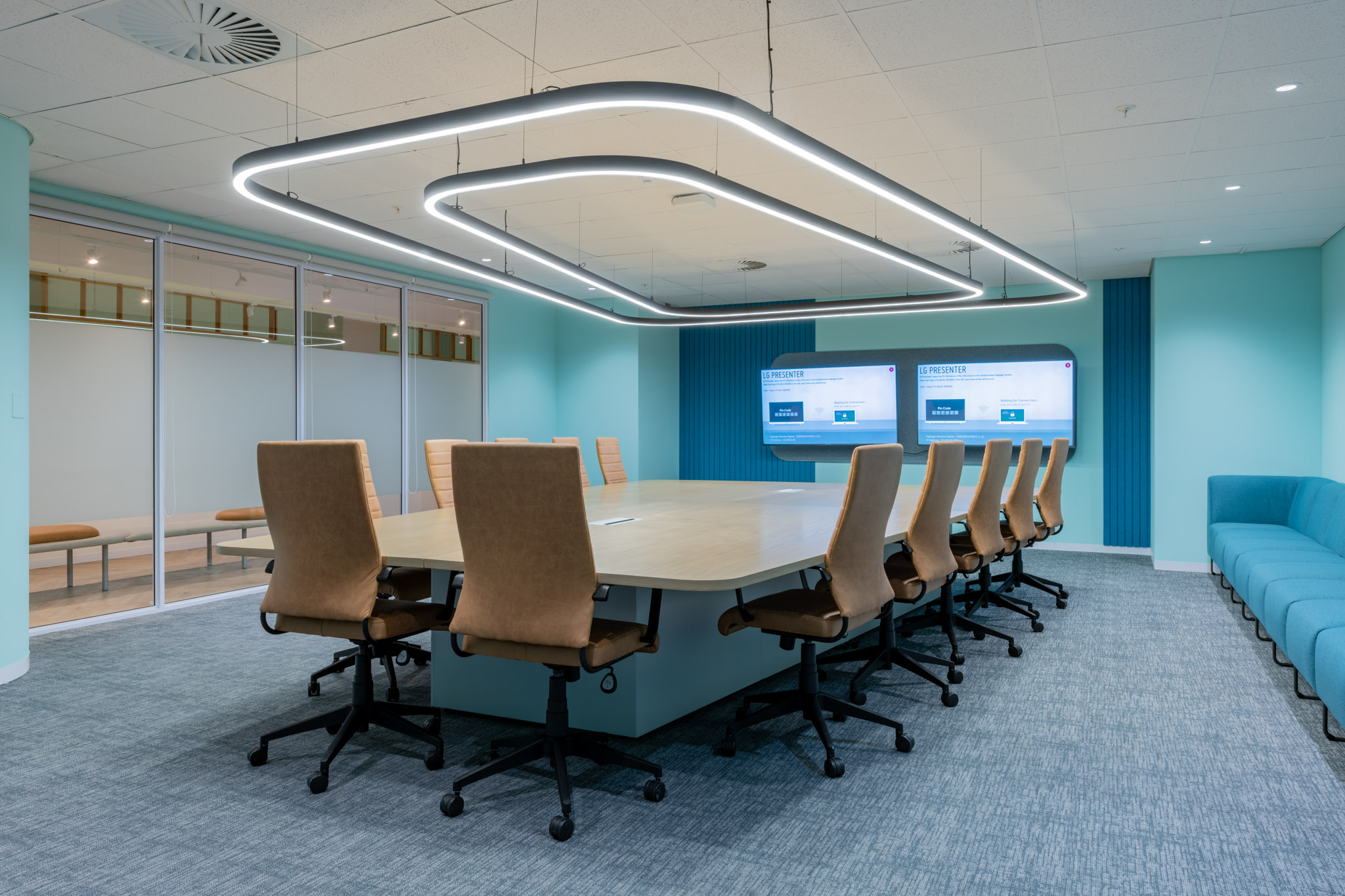
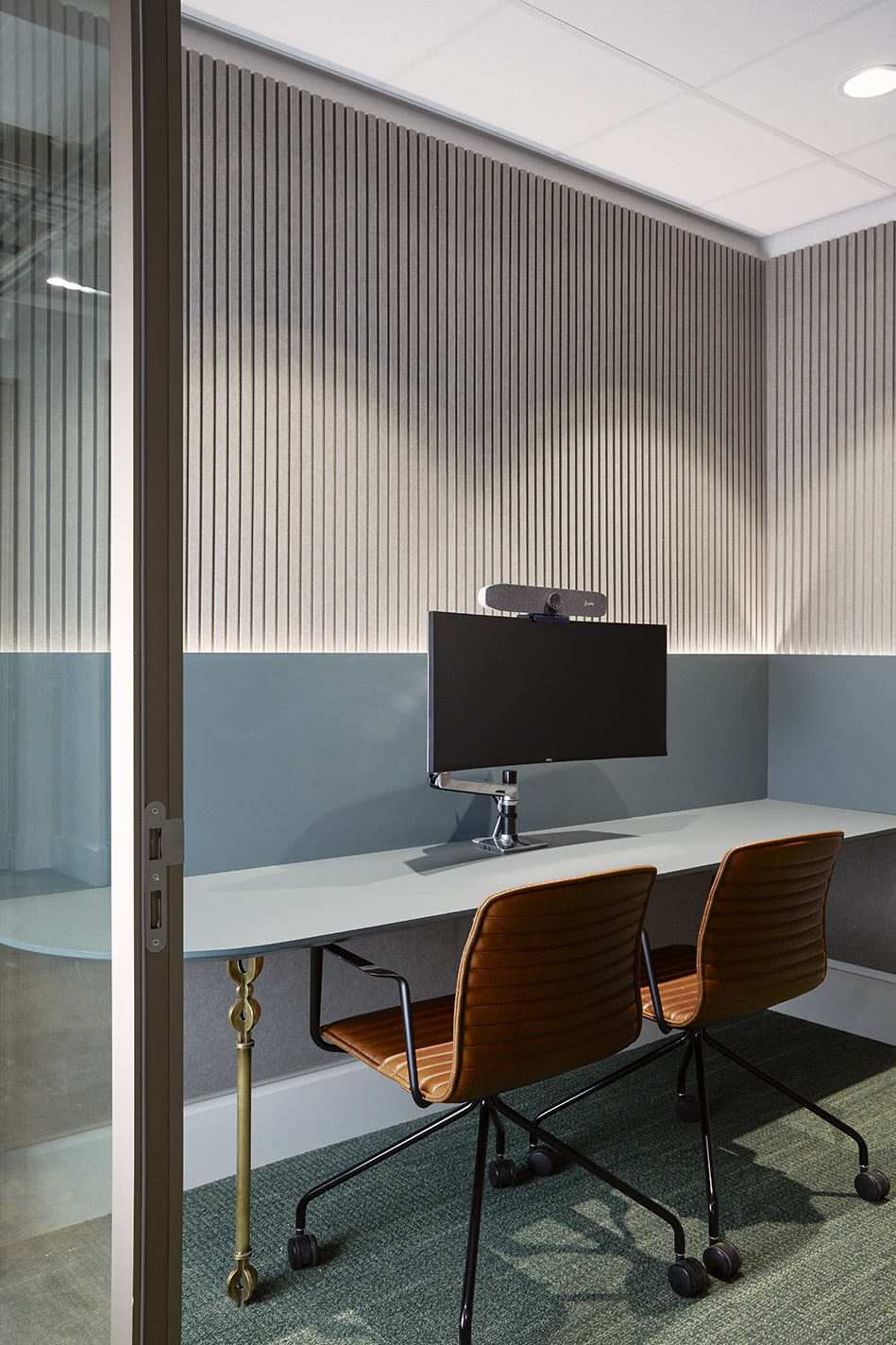
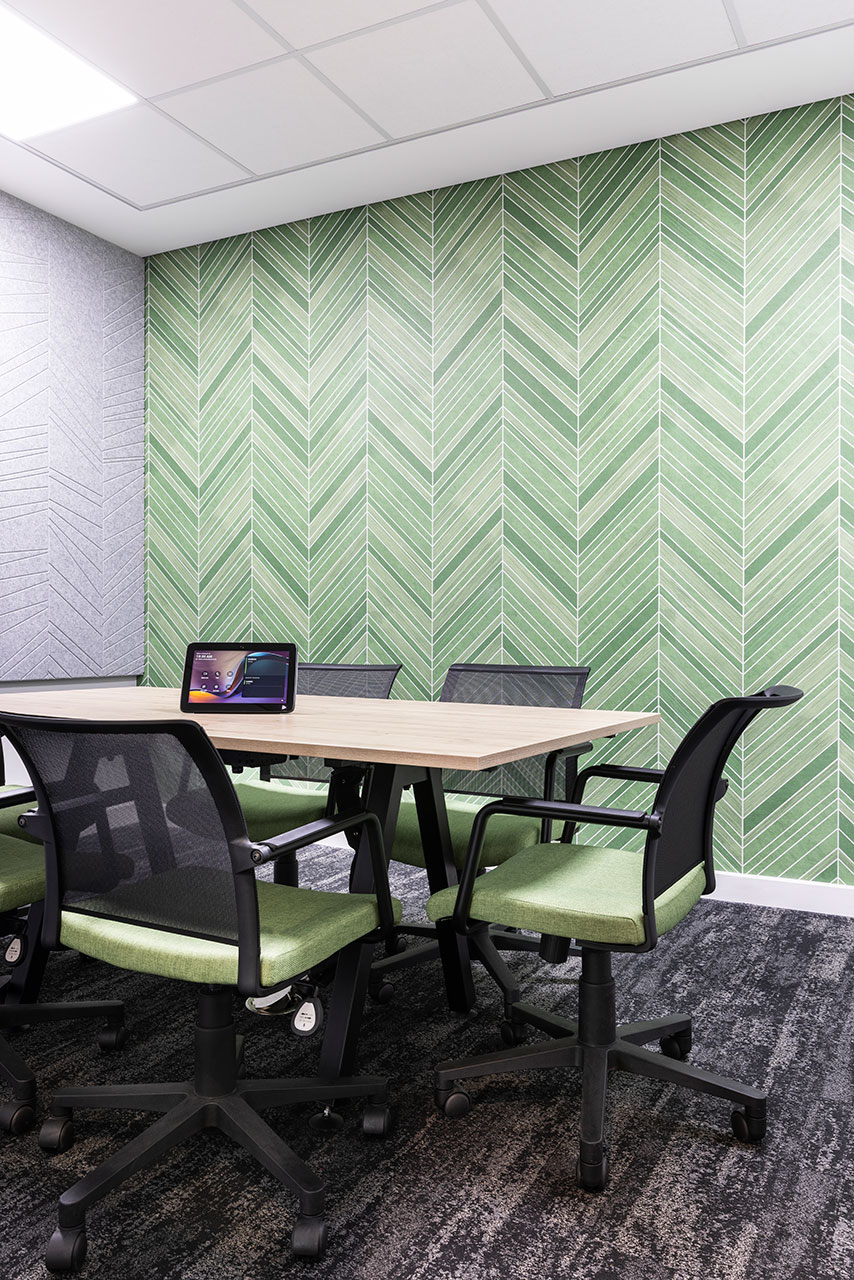
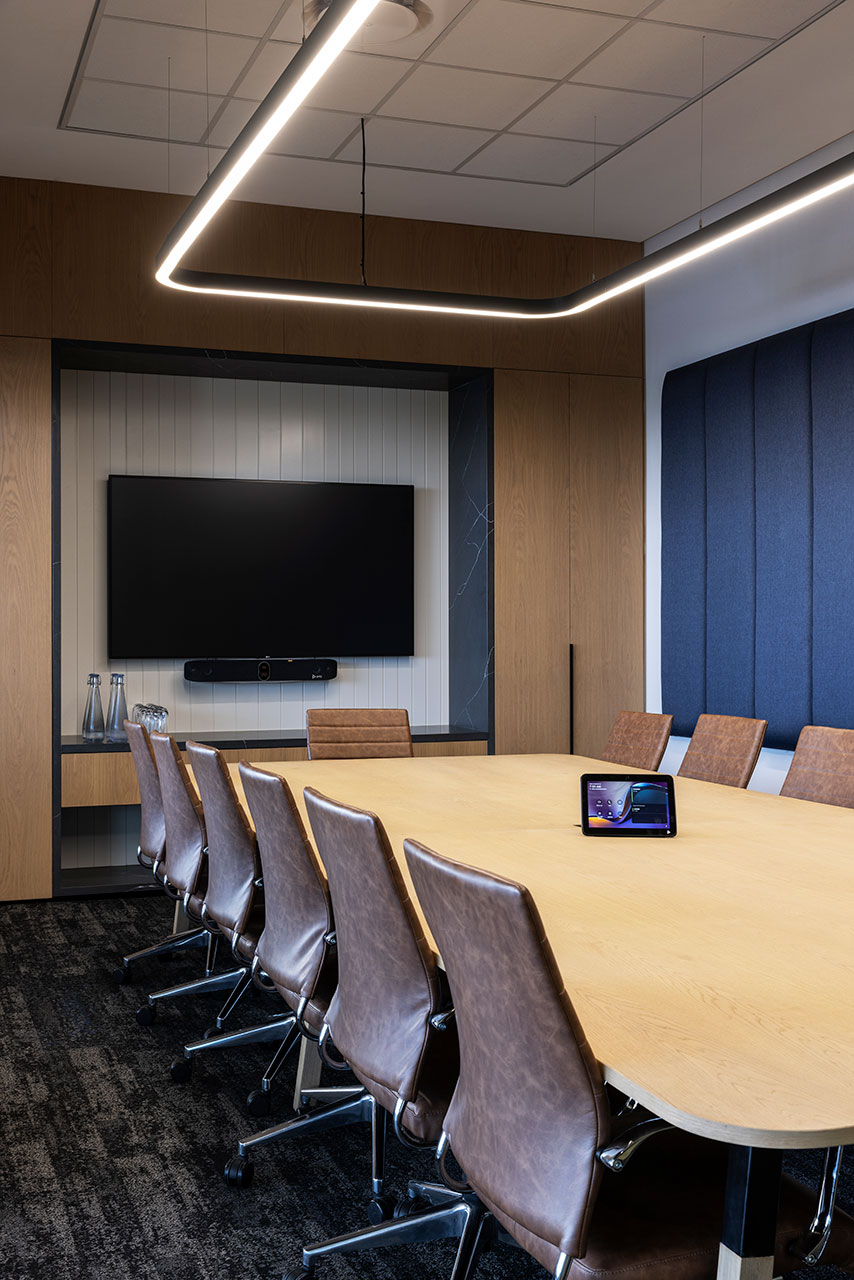
Smart meeting room systems streamline the entire process. These systems typically integrate directly with corporate calendar applications, providing real-time availability through digital signage outside each room. Employees can book a space seamlessly from their mobile devices or directly at the door.
Sophisticated systems even use sensors to detect whether a room hasn’t been occupied within 10 minutes of the booking start time, automatically releasing the space back into the pool for others to use. This level of IT and technology integration ensures that real estate is used effectively and frustration is minimised.
Advanced Security Solutions for a Secure Corporate Narrative
In an era where data security and physical safety are paramount, smart office technology includes sophisticated security systems that enhance protection while minimising daily disruptions. Traditional keycards are being replaced by more secure and convenient methods.
Biometrics and Facial Recognition
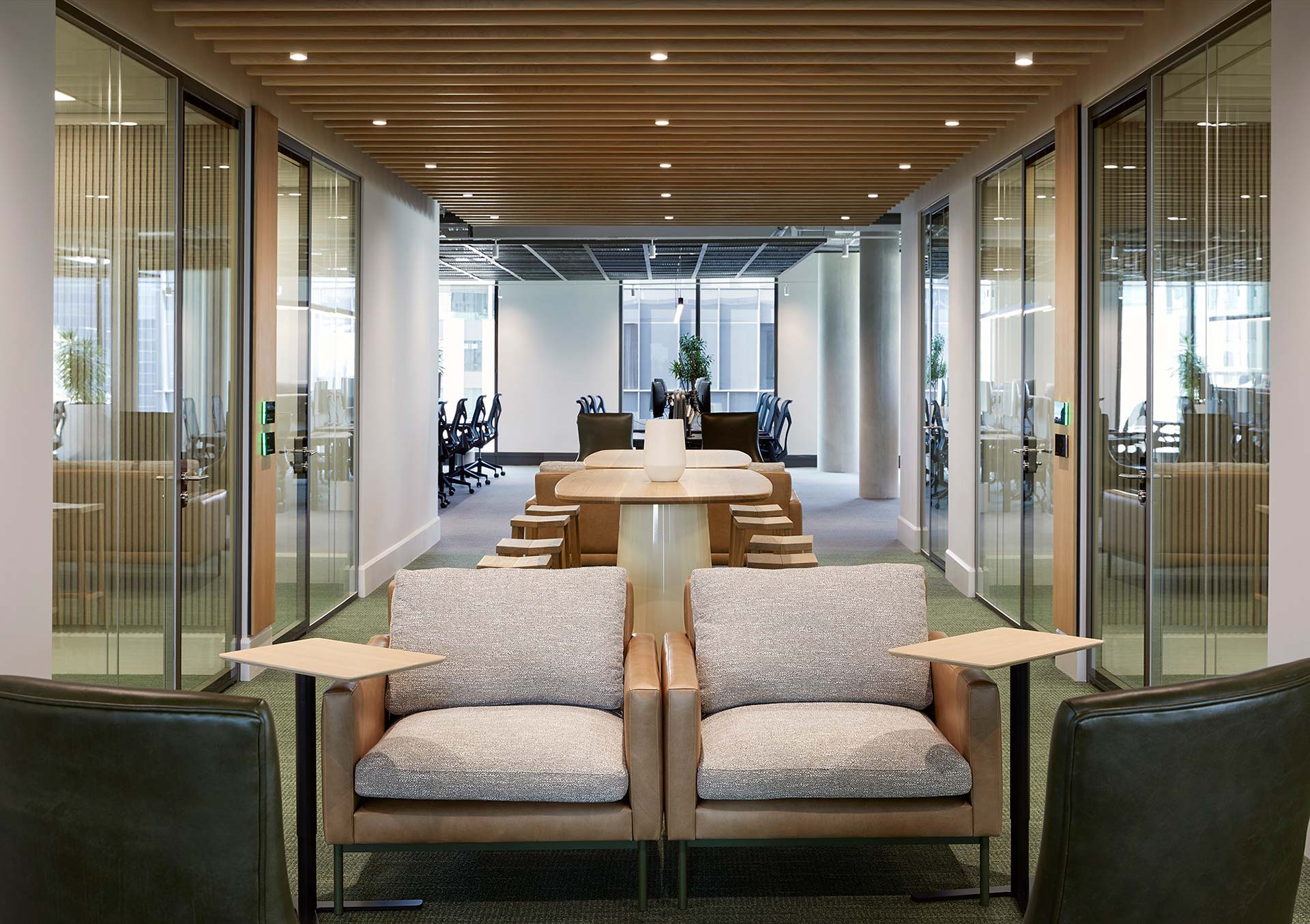
Features such as biometric access control and facial recognition ensure that only authorised personnel can access specific areas, maintaining a highly secure environment without the need for physical keys or cards that can be lost or stolen. Smart surveillance cameras, powered by AI, can now detect unusual activity or identify “tailgating” at secure entrances. For high-profile commercial clients, these systems provide peace of mind and reinforce a brand narrative of stability and high-tech sophistication.
Boosting Comfort with Responsive Smart Solutions
Comfort in the workplace is directly linked to productivity and employee satisfaction. A team that is too cold, too hot, or physically strained cannot perform at their peak. Smart office technology offers numerous solutions to create a more comfortable, human-centric work environment.
Precision Climate Control Systems
Smart climate control systems maintain optimal temperature and humidity levels by adjusting settings based on real-time data and occupancy patterns. Rather than having a single thermostat for an entire floor, these systems can create “micro-climates” tailored to the specific needs of different zones. This ensures a consistently comfortable environment, reducing the distractions and discomfort that often lead to a decline in cognitive performance.
The New Era of Ergonomic Smart Workstations
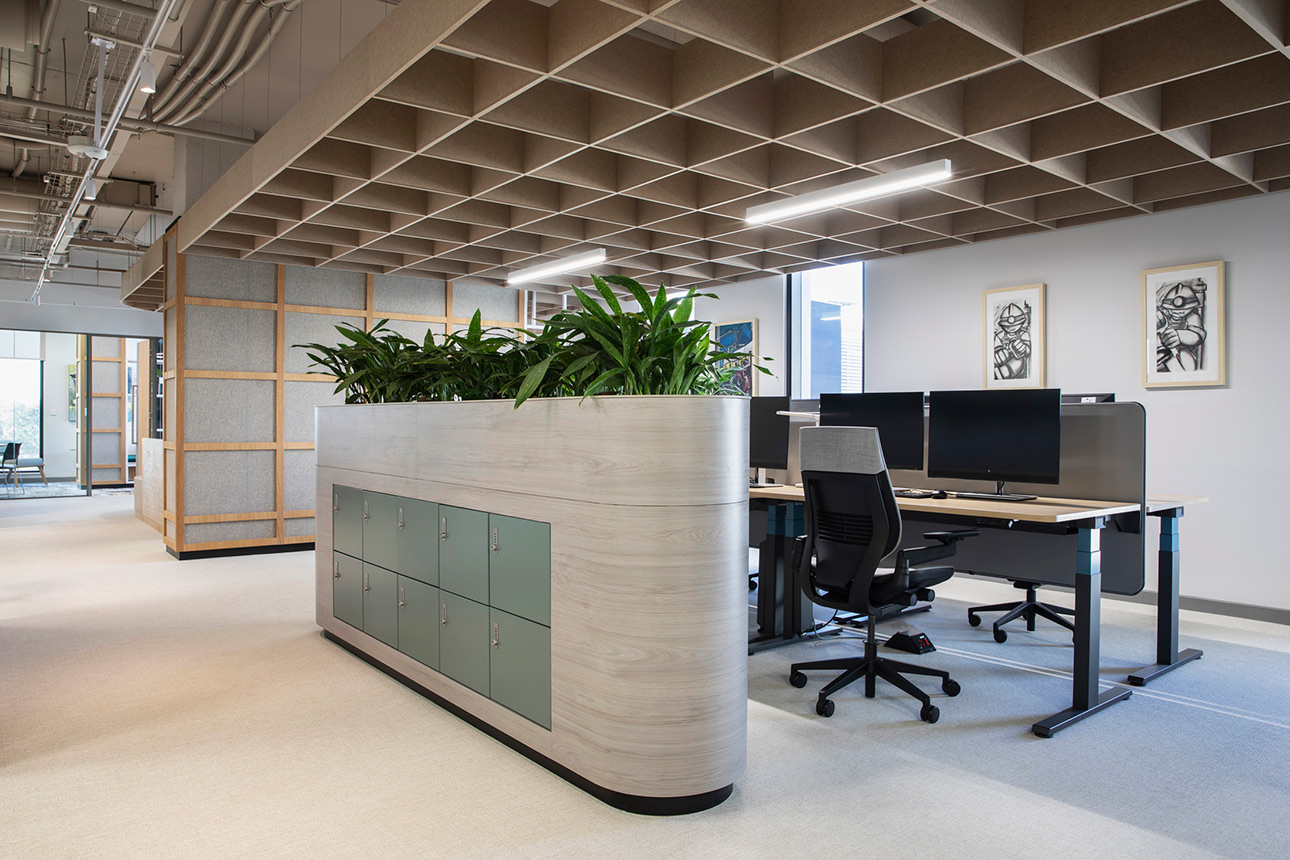
Integrating smart technology with ergonomic furniture elevates employee health. We are now procuring adjustable desks and tables equipped with sensors that provide real-time feedback on an employee’s posture.
These smart desks can “nudge” an employee to transition from sitting to standing if they have been stationary for too long, or suggest minor adjustments to their chair height to prevent long-term strain and injury. This proactive approach to ergonomics demonstrates a brand’s commitment to its most valuable asset: its people. You can explore a variety of these solutions in our finishes and materials section.
Real-World Applications: Delivering Innovation through Case Studies
At Design Colab, we have successfully integrated smart office technology into various high-profile projects, proving that these solutions are as practical as they are innovative.
Case Study: The Capita Project in Cape Town
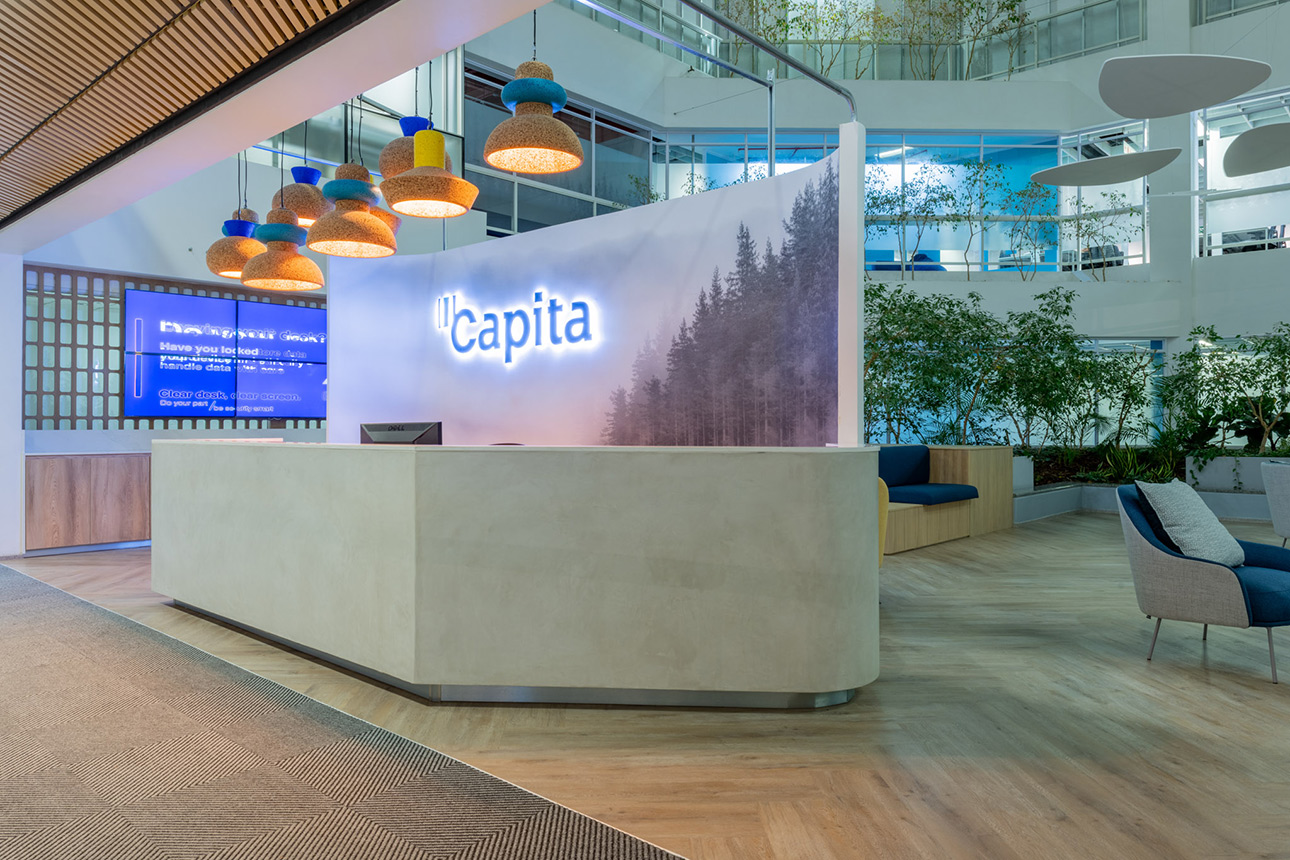
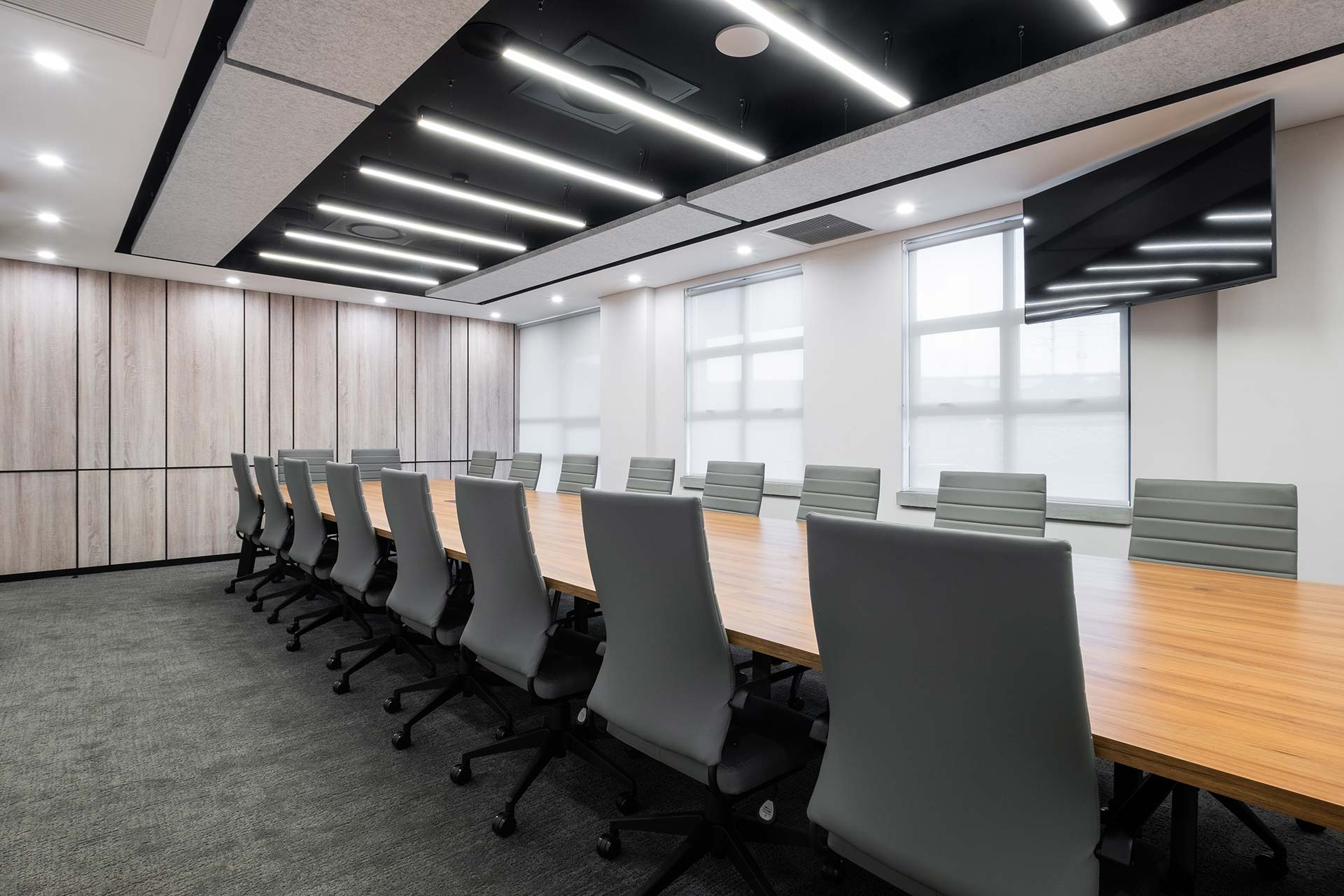
In our work for the Capita project, we implemented a comprehensive suite of smart lighting and climate control systems. The goal was to enhance employee comfort across a large-scale floor plate while driving down energy costs. The automated systems adjust dynamically based on occupancy levels and the time of day, providing an optimal work environment at all times. This project stands as a testament to how smart FF&E can create a high-performance workspace that responds to its inhabitants.
Case Study: Private Banking Client in Pretoria
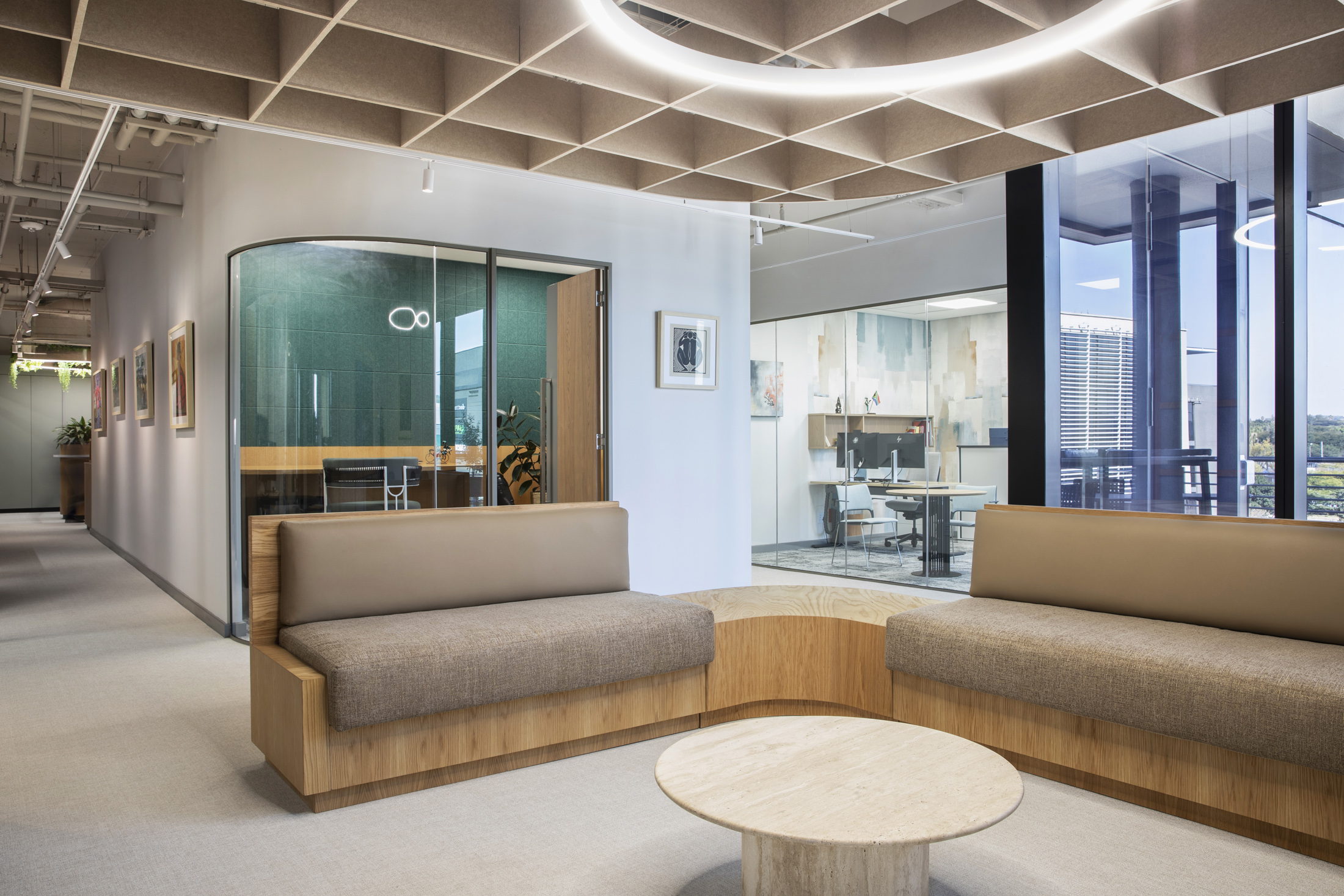
For our Private Banking client, the focus was on discretion, security, and seamless operation. We integrated advanced security solutions alongside an intelligent meeting room management system. These technologies streamlined daily operations for the staff while ensuring a secure, exclusive, and highly efficient workspace for their high-net-worth visitors. You can see the visual results of this integration in our project gallery.
Choosing the Right Partner for Smart FF&E Procurement
Selecting and integrating smart technology requires more than just a tech vendor; it requires a partner who understands how these systems interact with acoustic panels, furniture layouts, and the overall corporate aesthetic. As a turnkey service provider, Design Colab guides clients through the selection process, ensuring that the technology is an enabler, not a distraction.
Factors We Consider
- Interoperability: Ensuring that your smart furniture, lighting, and security systems all “talk” to one another on a single platform.
- User Experience: If the technology is too complex for the average employee to use, it fails. We prioritise intuitive, user-friendly interfaces.
- Future-Proofing: Technology evolves quickly. We help you select systems that are scalable and can be updated as your business grows.
Conclusion: Embracing the Future of Work
Embracing smart office technology is no longer a futuristic concept—it is a baseline requirement for creating a modern, efficient, and comfortable workplace. These advanced solutions not only optimise the “bricks and mortar” operations of a business but also significantly enhance employee well-being and productivity.
At Design Colab, we specialise in seamlessly integrating smart technology into office environments, tailoring each solution to meet the unique needs and corporate narrative of our clients. Whether you are looking for bespoke office solutions or a full turnkey rollout, our team is ready to transform your ordinary office into an extraordinary, intelligent workspace.
Ready to transform your workspace?
Contact Design Colab today to explore how smart office technology and expert FF&E procurement can elevate your office environment to new heights of efficiency.