Ergonomic Office Furniture: The Science of Workplace Wellness and Productivity
Ergonomic office furniture refers to equipment specifically engineered to support the human body’s natural posture, reducing musculoskeletal strain and enhancing cognitive performance in professional environments. This category includes adjustable seating, desks, and accessories that align with human physiological requirements to maintain long-term health.
In commercial sectors across South Africa, the modern office environment is transitioning toward evidence-based design. Historically, “ergonomics” was a specialised term used in medical journals. Currently, it is a primary business strategy used to mitigate workplace injuries and improve output. For companies managing tightening budgets, the investment in premium FF&E (Furniture, Fixtures, and Equipment) is justified by reduced absenteeism and increased employee retention.
Design Colab provides furniture consultancy that treats ergonomics as a foundational element of high-performance workplaces. By prioritising adjustable seating and layouts, organisations move beyond aesthetic choices to make a calculated investment in the physical health of their workforce.
Understanding Ergonomics: The Applied Science of Workplace Efficiency
Office ergonomics is the applied science of equipment design intended to maximise productivity by reducing operator fatigue and discomfort. The term originates from the Greek words ergon (work) and nomos (natural laws). According to the Chartered Institute of Ergonomics and Human Factors (CIEHF), ergonomics applies data and theory to design to optimise human well-being and system performance.
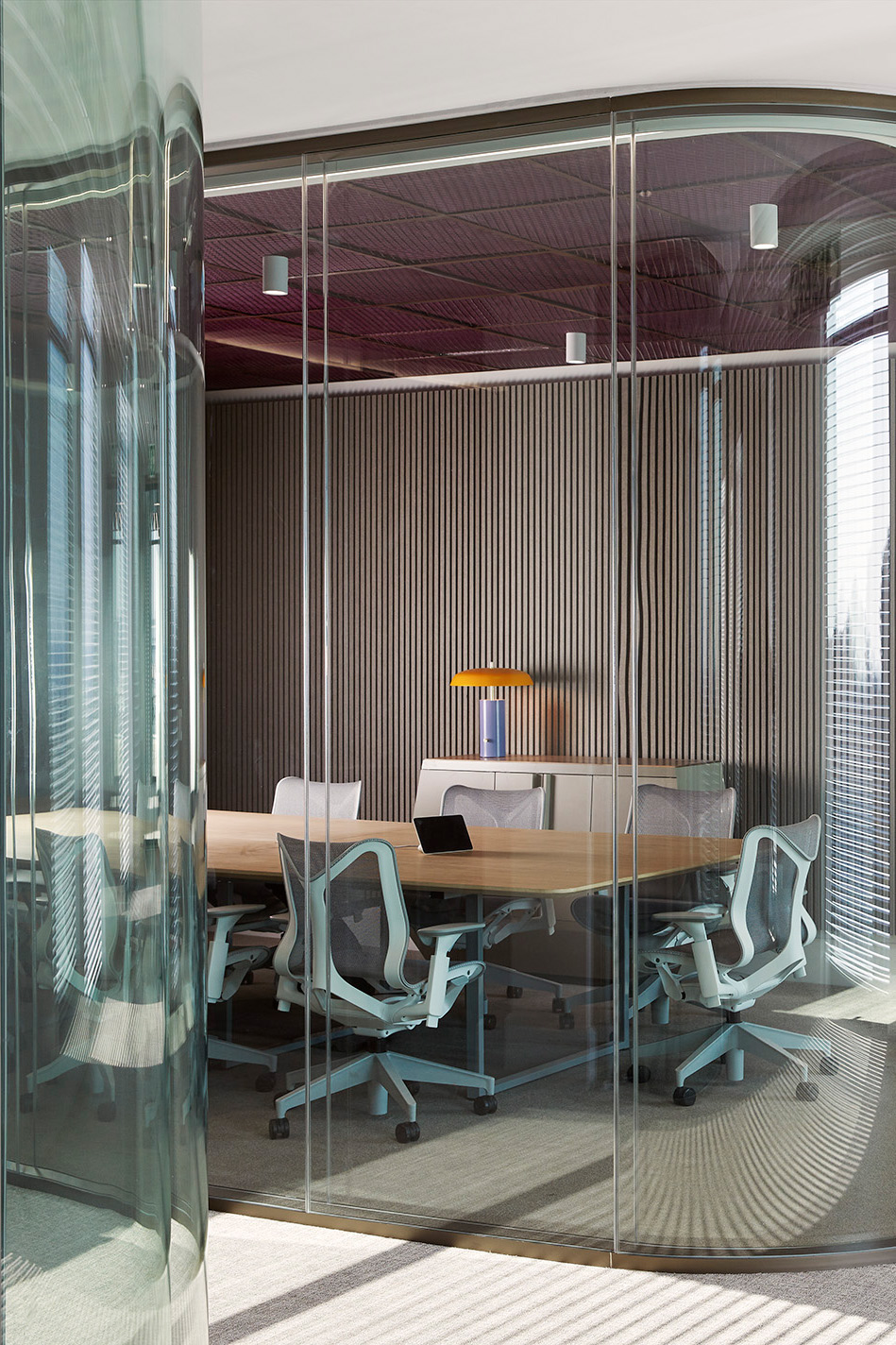
In the South African corporate context, this involves replacing standardised furniture with bespoke FF&E solutions that accommodate individual physiology. Modern ergonomic furniture is manufactured to support the complex micro-adjustments of the human body, ensuring comfort and reducing injury risks during extended periods of sedentary work.
| Feature | Standard Office Furniture | Ergonomic Office Furniture |
|---|---|---|
| Adjustability | Fixed height or limited range. | Multi-point adjustment (Height, depth, tilt). |
| Lumbar Support | Minimal or flat backrest. | Contoured support for the spinal S-curve. |
| User Fit | "One size fits all" approach. | Tailored to individual anthropometric data. |
| Impact on Health | High risk of musculoskeletal disorders. | Actively reduces strain and chronic pain. |
| Long-term Value | Lower initial cost, higher health-related costs. | Higher initial investment, higher ROI through productivity. |
The Primary Role of High-Performance Office Seating
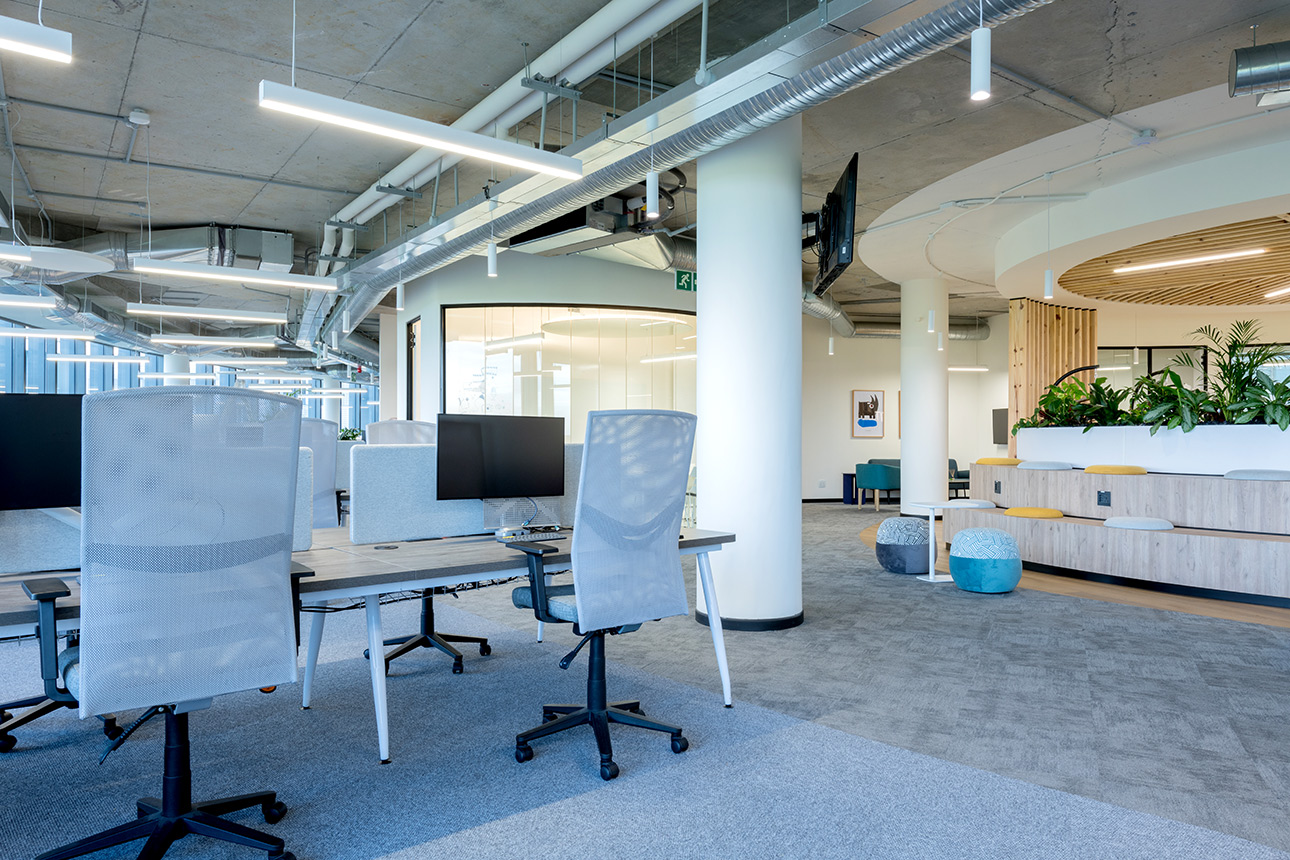
The office chair is the most frequently utilised equipment in a corporate setting. While a standard chair requires the user to adapt to its frame, an ergonomic chair is designed to adapt to the user’s body.
High-performance seating supports the natural curvature of the spine, preventing the postural collapse that results in chronic fatigue.
Mandatory Features of Ergonomic Seating
When conducting furniture procurement for clients, the following features are essential:
- Lumbar Support: Protects the lower back and maintains the inward curve of the spine.
- Adjustable Armrests: Allows shoulders to remain relaxed and elbows to stay at a 90-degree angle.
- Seat Depth: Ensures the back is fully supported while maintaining a gap between the seat edge and the knees.
Dynamic Recline: Facilitates movement to keep blood flowing and spinal discs hydrated.
Height-Adjustable Desks and Postural Transitions
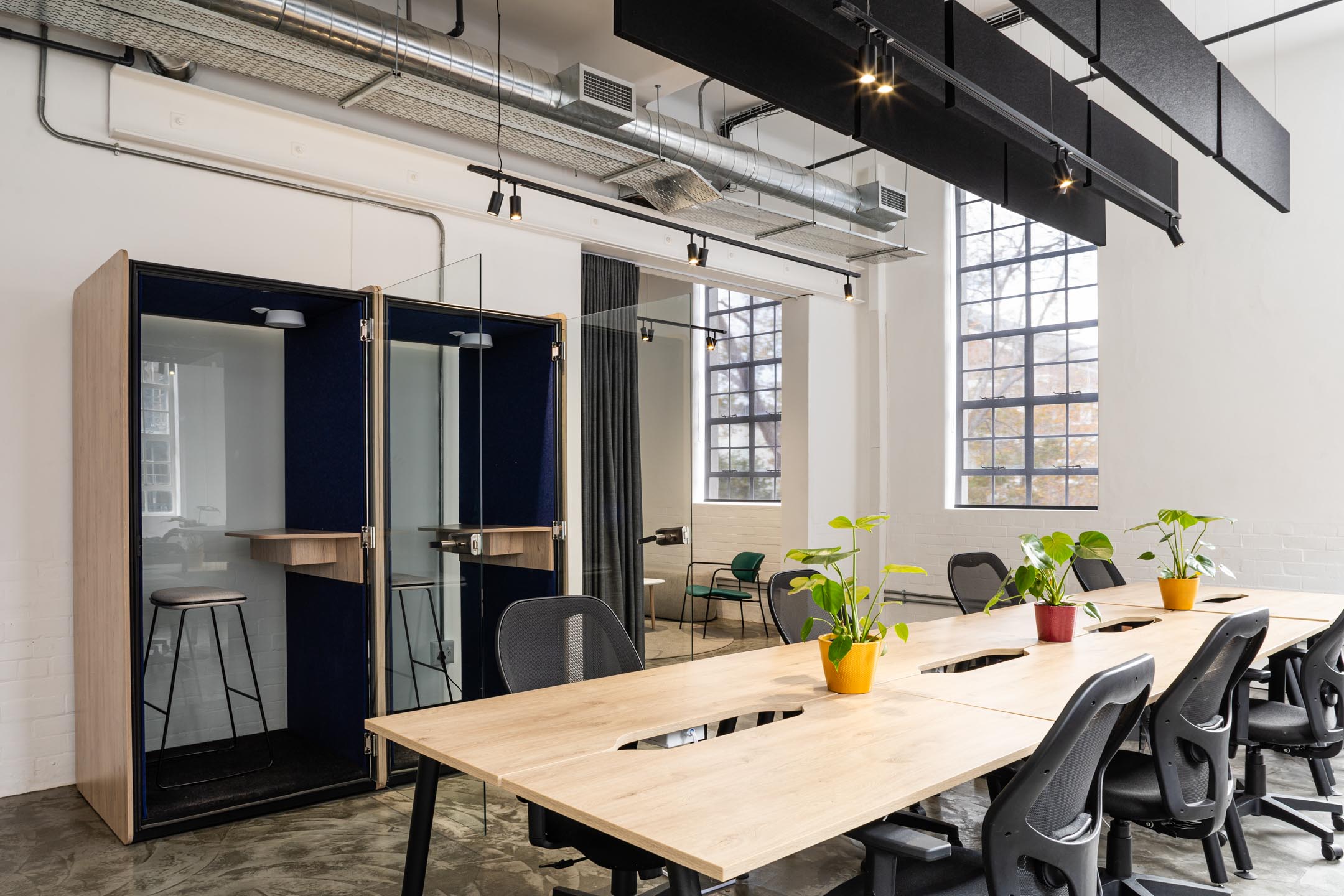
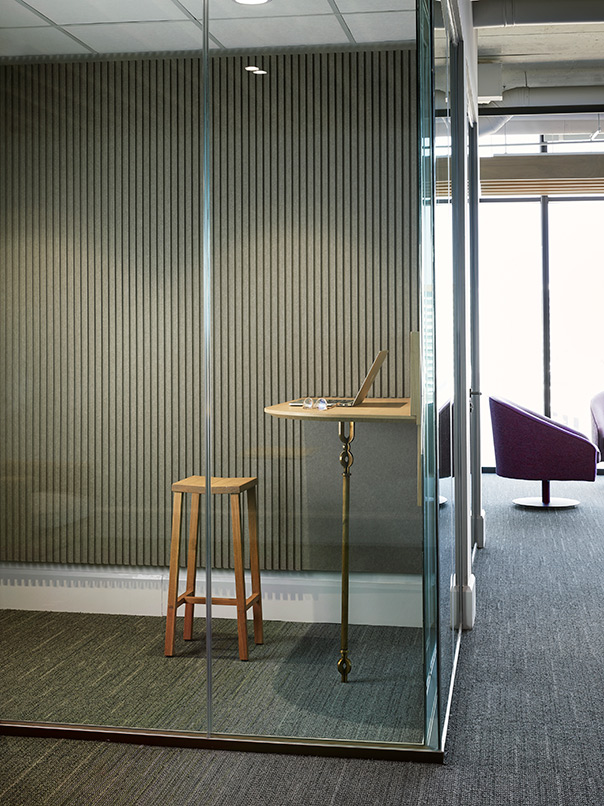
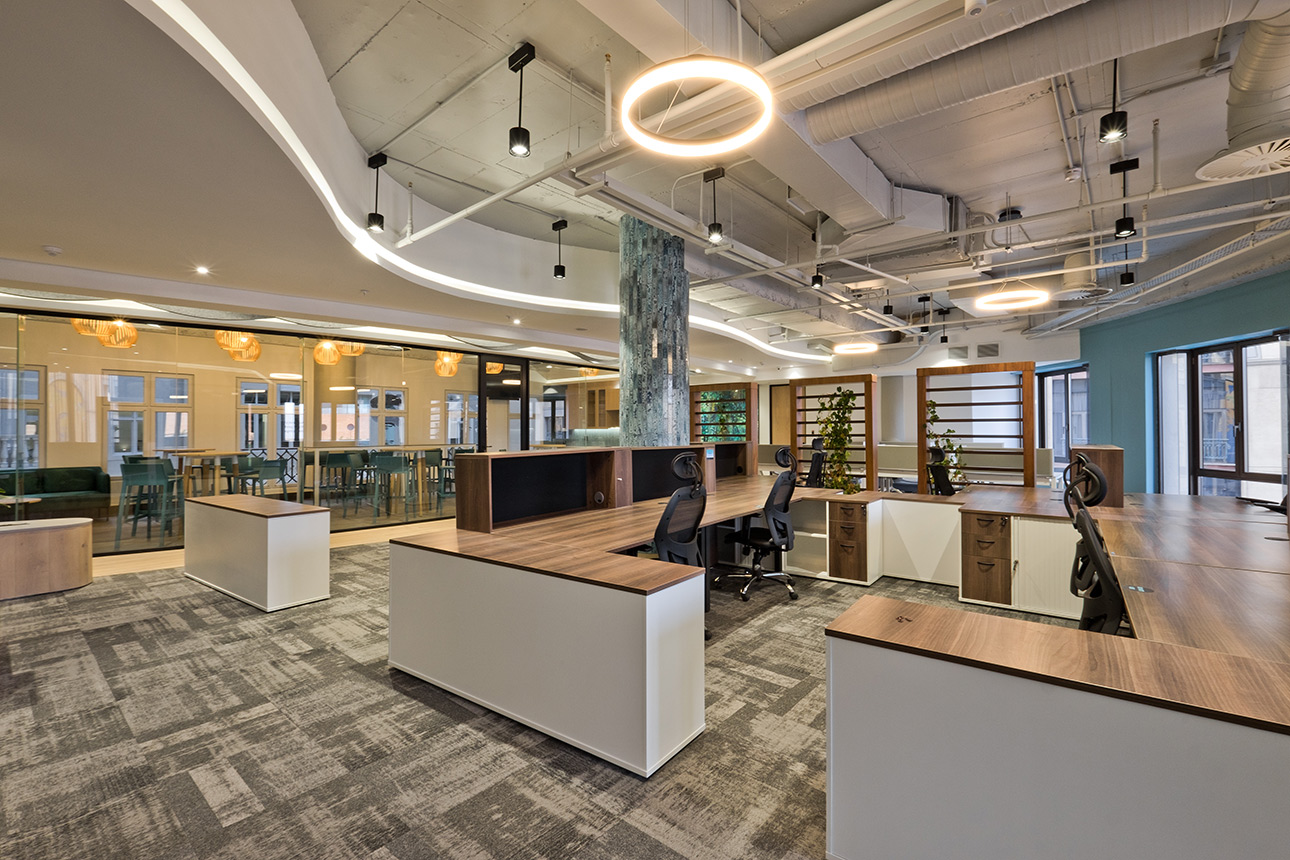
Height-adjustable, or “sit-stand” desks, provide a technical solution to the risks associated with sedentary work. These desks allow for frequent transitions between sitting and standing, which improves circulation and metabolic health.
This functionality is a strategic method to reduce back pain and maintain energy levels throughout the workday. Furthermore, height-adjustable tables accommodate diverse physical heights, ensuring that all employees can work with correct ergonomic alignment regardless of their stature.
Ergonomic Accessories and Digital Interface Optimisation
Small-scale ergonomic interventions provide significant cumulative health benefits. These accessories complete the ergonomic ecosystem.
Technical Workplace Adjustments
- Monitor Stands: Position screens at eye level to prevent cervical spine pressure.
- Keyboard Trays: Facilitate a neutral wrist position to reduce the risk of repetitive strain injuries (RSI).
- Anti-fatigue Mats: Essential for employees using standing desks to reduce joint pressure.
The Financial Impact of Ergonomic Neglect
Failing to implement ergonomic standards leads to physical ailments, including carpal tunnel syndrome, tendinitis, and spinal misalignment. However, the consequences extend to the balance sheet. Poor ergonomics reduces mental focus and morale, leading to higher rates of absenteeism.
Investing in ergonomic furniture is a business necessity. Companies that provide adequate support see improved employee engagement and a significant return on investment through sustained productivity.
Frequently Asked Questions
1. What is the expected ROI on ergonomic office furniture?
Studies indicate that ergonomic improvements can increase productivity by up to 25%. By reducing workplace injuries and absenteeism, companies typically recoup their investment within 12 to 18 months.
2. Does Design Colab provide on-site ergonomic assessments?
Yes. Our furniture consultancy includes spatial and ergonomic assessments to ensure that the specified FF&E meets the unique needs of your staff and your specific floor plan.
3. Can ergonomic furniture be customised to match corporate branding?
Yes. We collaborate with local artisans to create bespoke feature pieces that integrate ergonomic principles with your brand’s visual identity, ensuring a cohesive and healthy workspace.
4. What are the lead times for ergonomic furniture in South Africa?
Lead times vary depending on the level of customisation. Standard ergonomic items are often available within 2-4 weeks, while bespoke, locally manufactured solutions may require 6-8 weeks.
Conclusion: Engineering a Productive Future
The ergonomic transition is a move toward supporting the human factor at the centre of every business. By investing in scientifically-backed, high-quality furniture, organisations build environments that are both functional and productive.
To discuss your specific workspace requirements, contact Design Colab today. We assist in creating offices where teams can perform optimally through superior design and ergonomic integrity.
Credible Sources & References
- ISO 9241-5: Ergonomic requirements for office work with visual display terminals (VDTs).
- BS EN 1335: Office furniture – Office work chair – Dimensions and safety requirements.
- Chartered Institute of Ergonomics and Human Factors (CIEHF): Workplace Guidance.
- Journal of Occupational Health and Safety (2022): “Impact of Ergonomics on Corporate Productivity.”