Why Phone Booths and Meeting Rooms are Invaluable Assets in the Modern Office
Office phone booths and modular meeting rooms are self-contained, acoustic workspaces designed to provide privacy and focus within open-plan environments. These FF&E (Furniture, Fixtures, and Equipment) solutions address the noise challenges of modern hybrid offices by offering sound-insulated “micro-environments” for confidential calls and virtual collaboration. By integrating advanced technology and ergonomic design, these assets allow businesses to optimise their floor plans while supporting employee well-being and productivity in a high-density corporate landscape. This is essential for modern South African businesses transitioning to flexible work models.
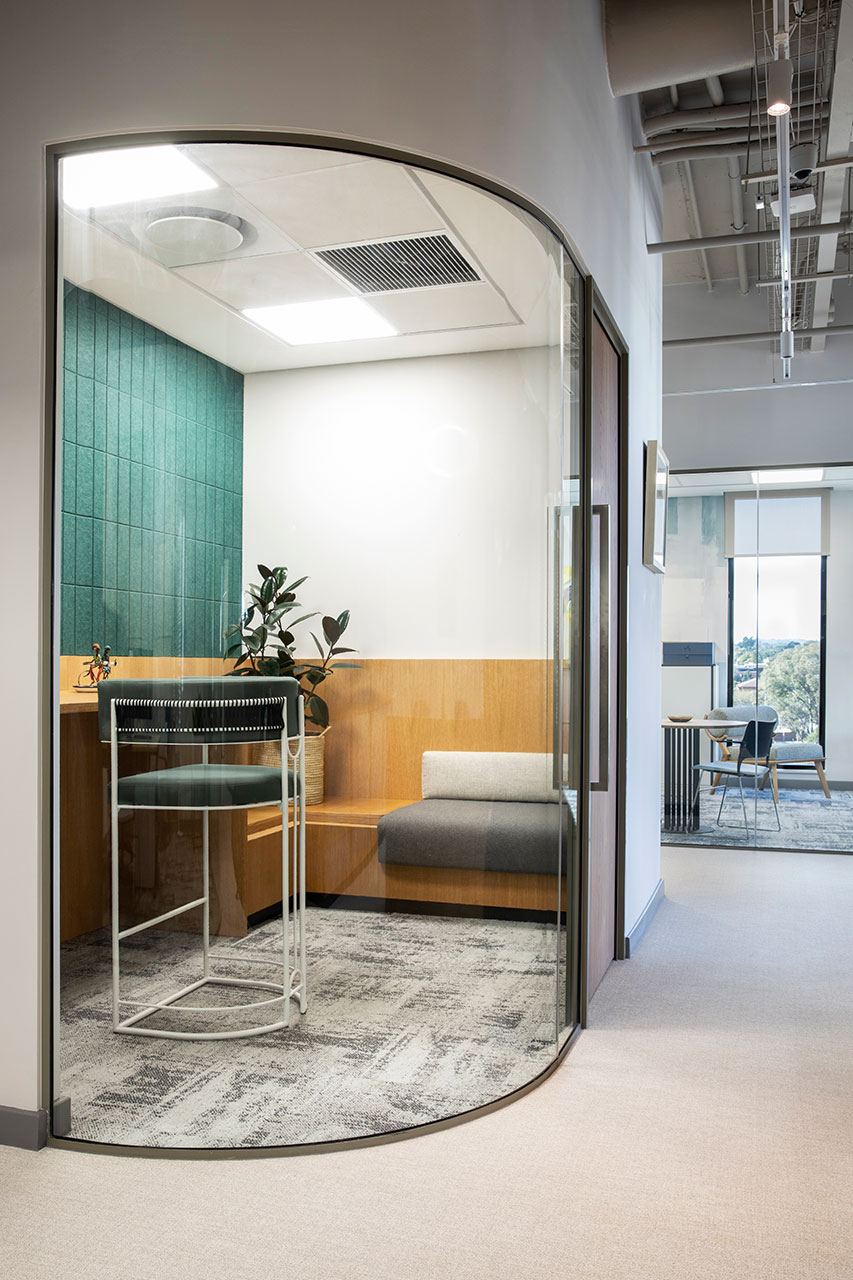
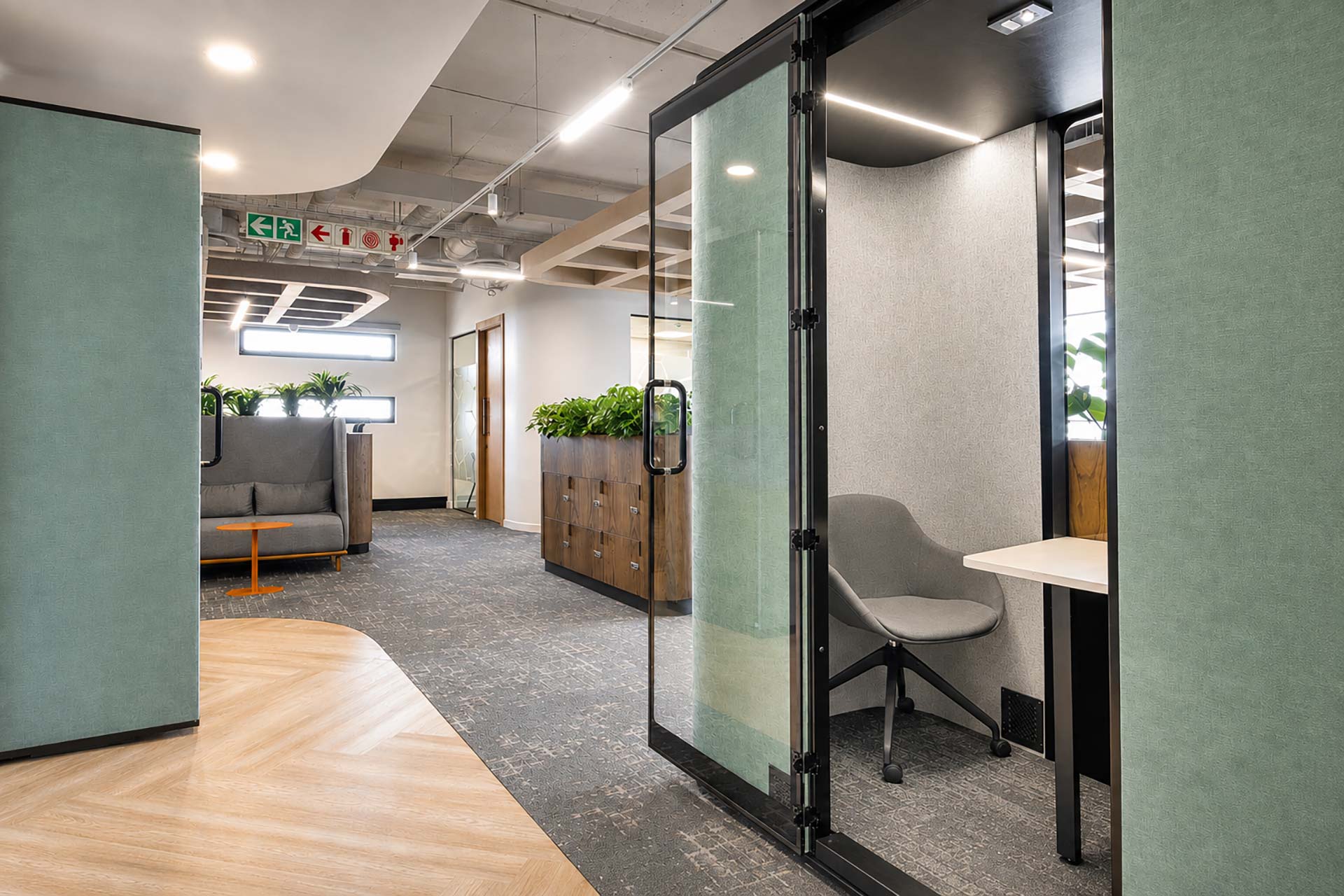
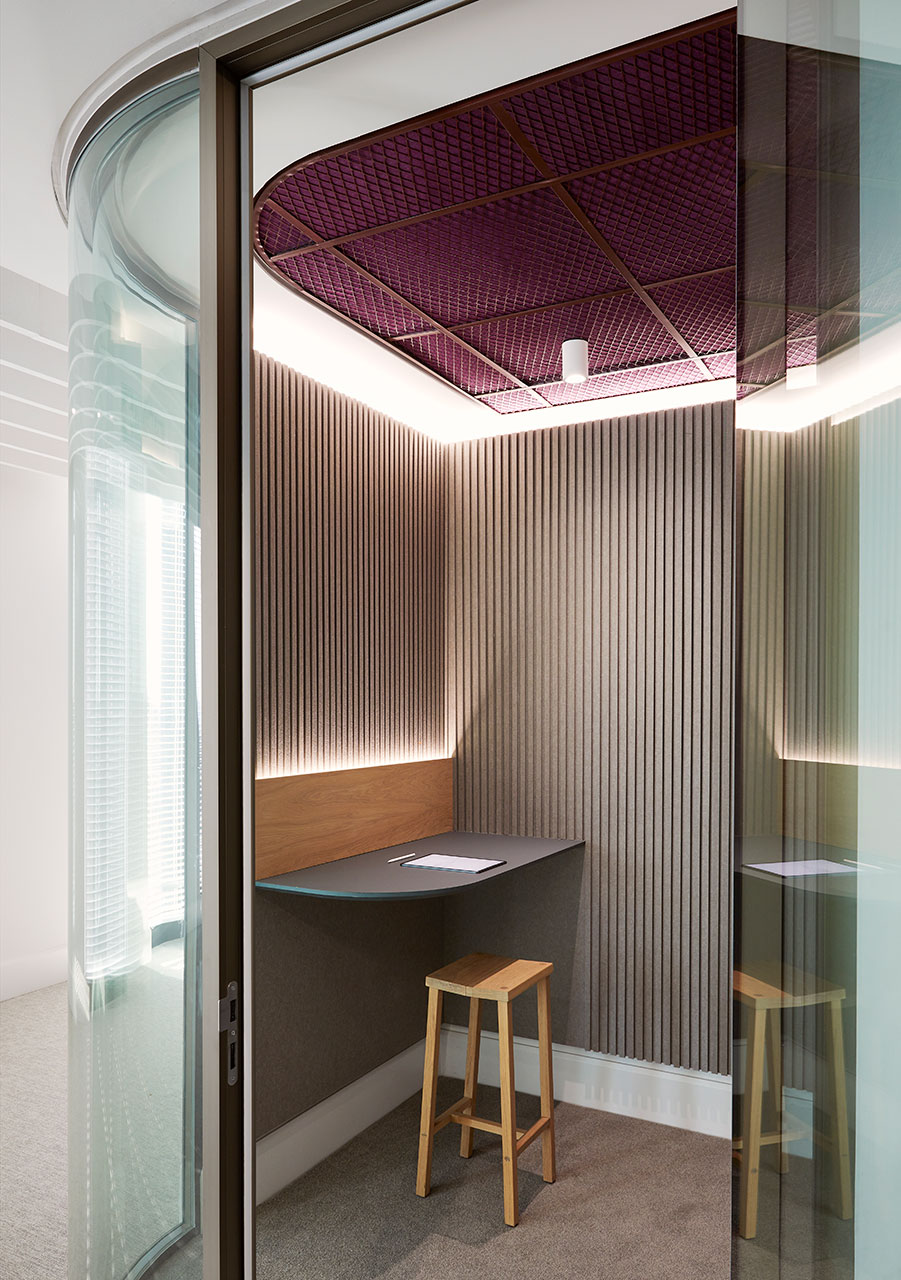
An office phone booth is a sound-insulated, prefabricated enclosure designed to facilitate private communication and deep focus within a shared workspace.
Office design is more fluid than ever. As businesses navigate a post-pandemic world, they must adapt to meet the needs of an increasingly hybrid workforce. The traditional open-plan office is being reimagined by Design Colab, moving away from rows of desks toward high-performance spaces for private calls and “deep work.”
How do acoustic booths solve the open-plan office privacy problem?
The primary critique of the open-plan office is the erosion of acoustic and visual privacy. While transparency aids team energy, it often compromises confidentiality.
The psychological benefits of acoustic privacy
Research indicates that available private spaces directly reduce workplace stress. In an environment where one is constantly “on display,” the cognitive load of managing external noise is exhausting. By providing acoustic seating and pods, companies give employees back their sense of control. This autonomy over one’s sensory environment is a critical factor in driving employee satisfaction and long-term retention.
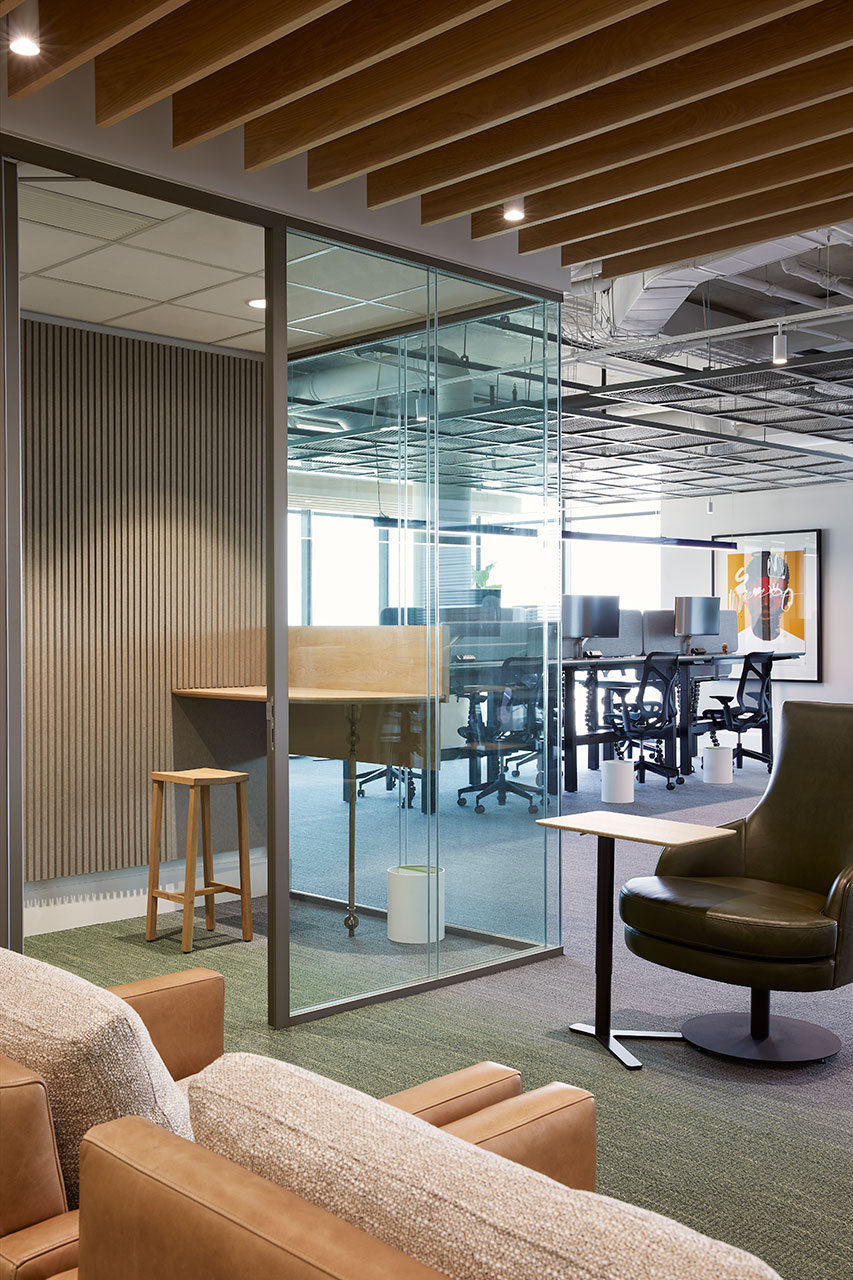
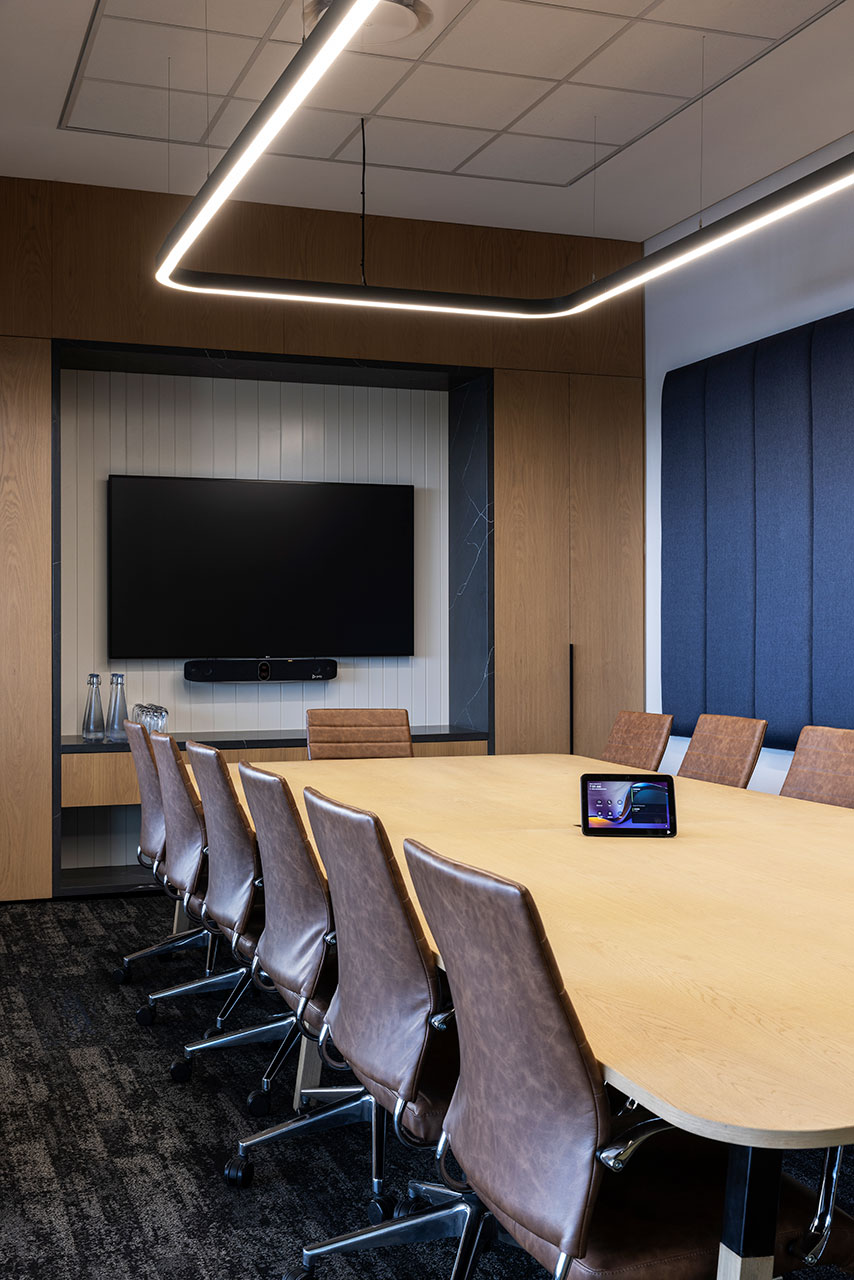
Why are tech-ready meeting rooms essential for hybrid teams?
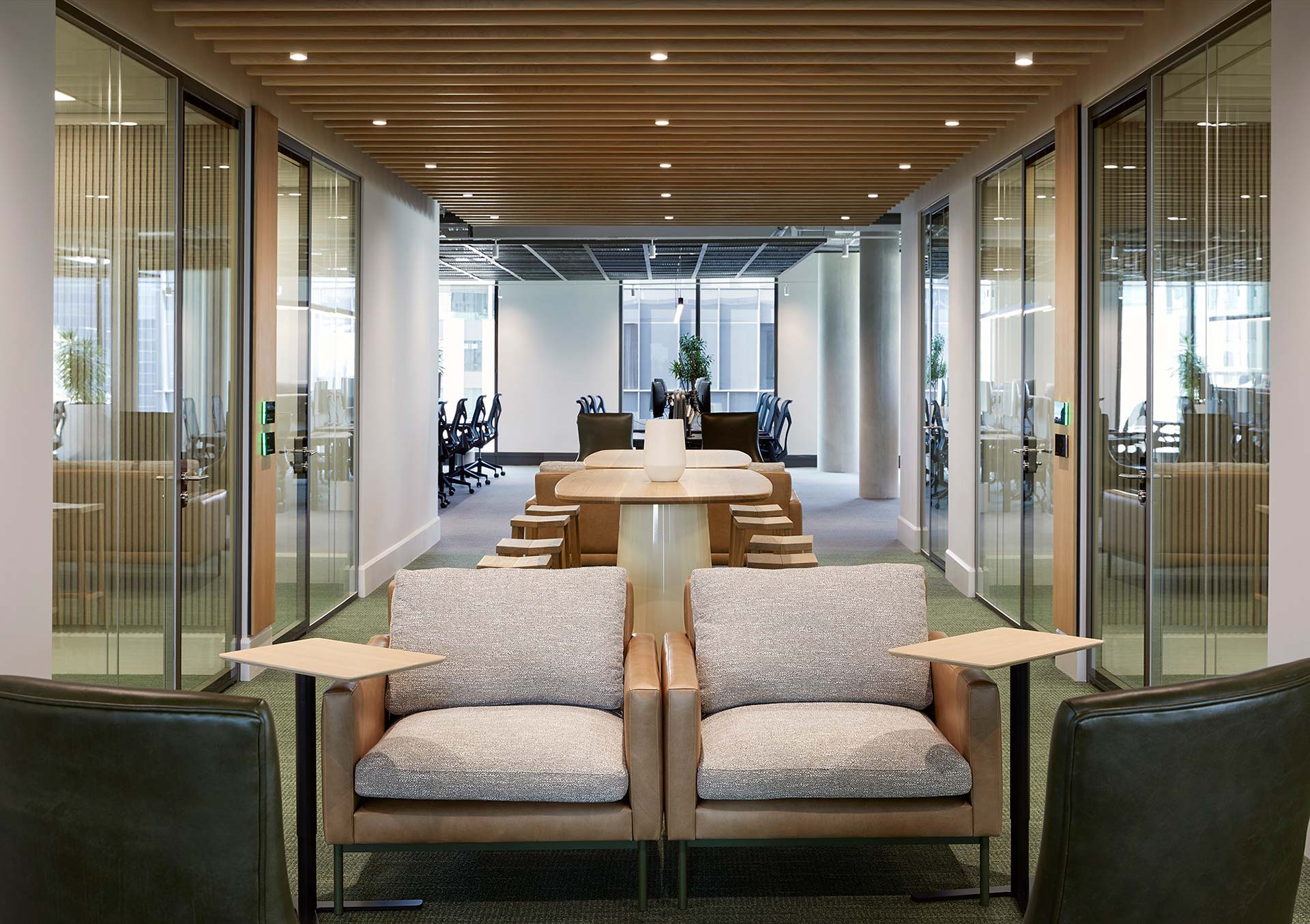
The rise of hybrid working has fundamentally changed the meeting room’s purpose. It is no longer just a place to sit around a table; it is a digital bridge. Meeting rooms equipped for seamless video calls have become the lifeblood of the modern organisation.
Key AV features for hybrid collaboration
Hybrid meetings must ensure the “presence” of remote participants is felt clearly. This requires strategic FF&E procurement involving:
- Precision Acoustics: Preventing echoes for remote listeners.
- 4K Cameras: For crisp visual communication.
- Integrated Power: Tables with built-in ports to avoid cable clutter.
Phone Booth vs. Built Partition Room: Which is better?
| Feature | Acoustic Phone Booth | Built Partitioned Room |
|---|---|---|
| Portability | Fully mobile; can be relocated easily. | Permanent; requires demolition to move. |
| Speed | Installed in hours. | Requires weeks of construction. |
| Cost | Fixed cost as furniture (FF&E). | High capital expenditure (CapEx). |
| Permits | None required (Furniture). | Requires building & fire safety permits. |
| Acoustics | Lab-tested certified performance. | Variable based on construction quality. |
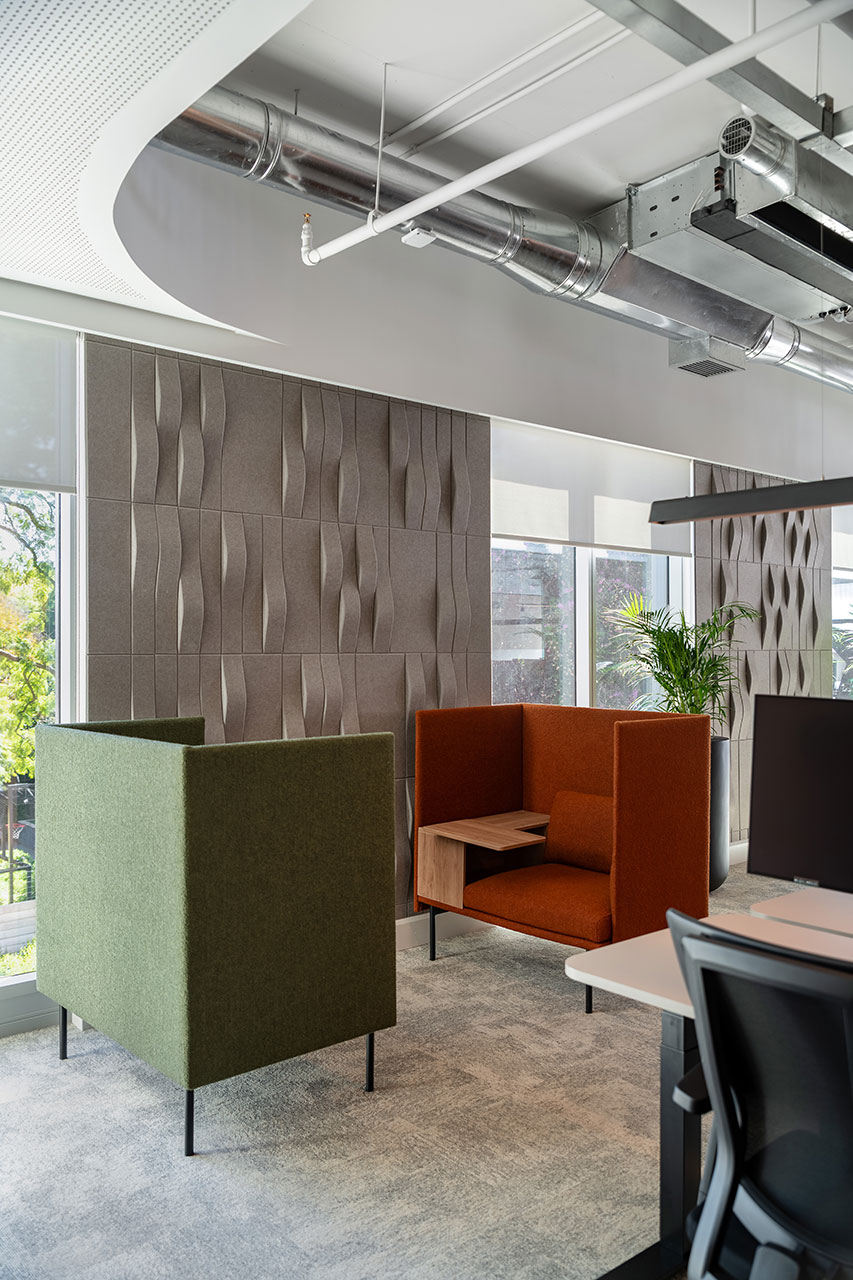
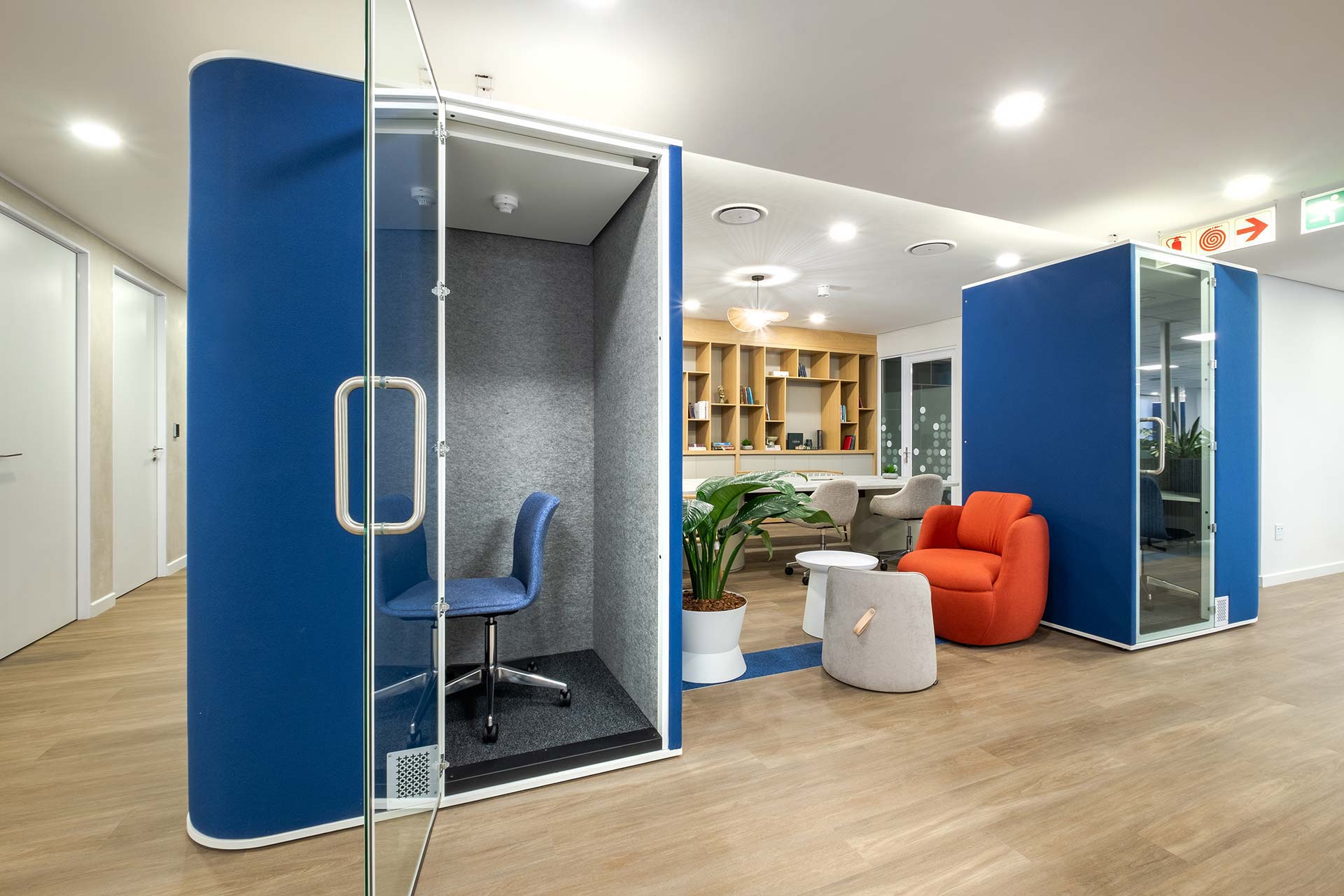
Customisation: Tailoring booths to your corporate narrative
At Design Colab, we believe customisable elements in FF&E are crucial. When we engage in the furniture procurement process, we ensure booths fit your brand aesthetic and functional requirements. Spaces that reflect a company’s identity enhance an employee’s sense of belonging and reinforce brand values daily.
Case Study: Wipro Office, Johannesburg – A Model for Hybrid Excellence
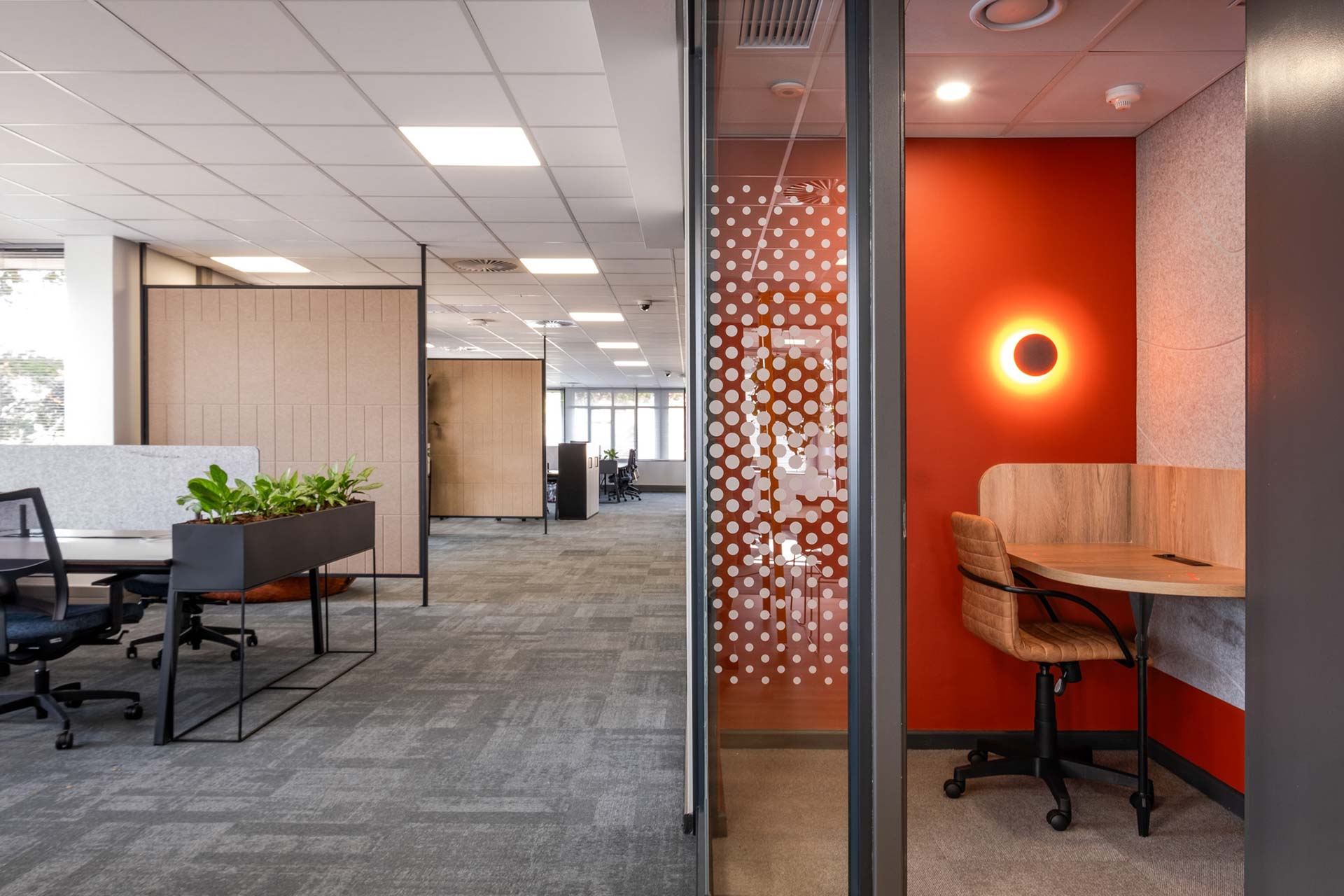
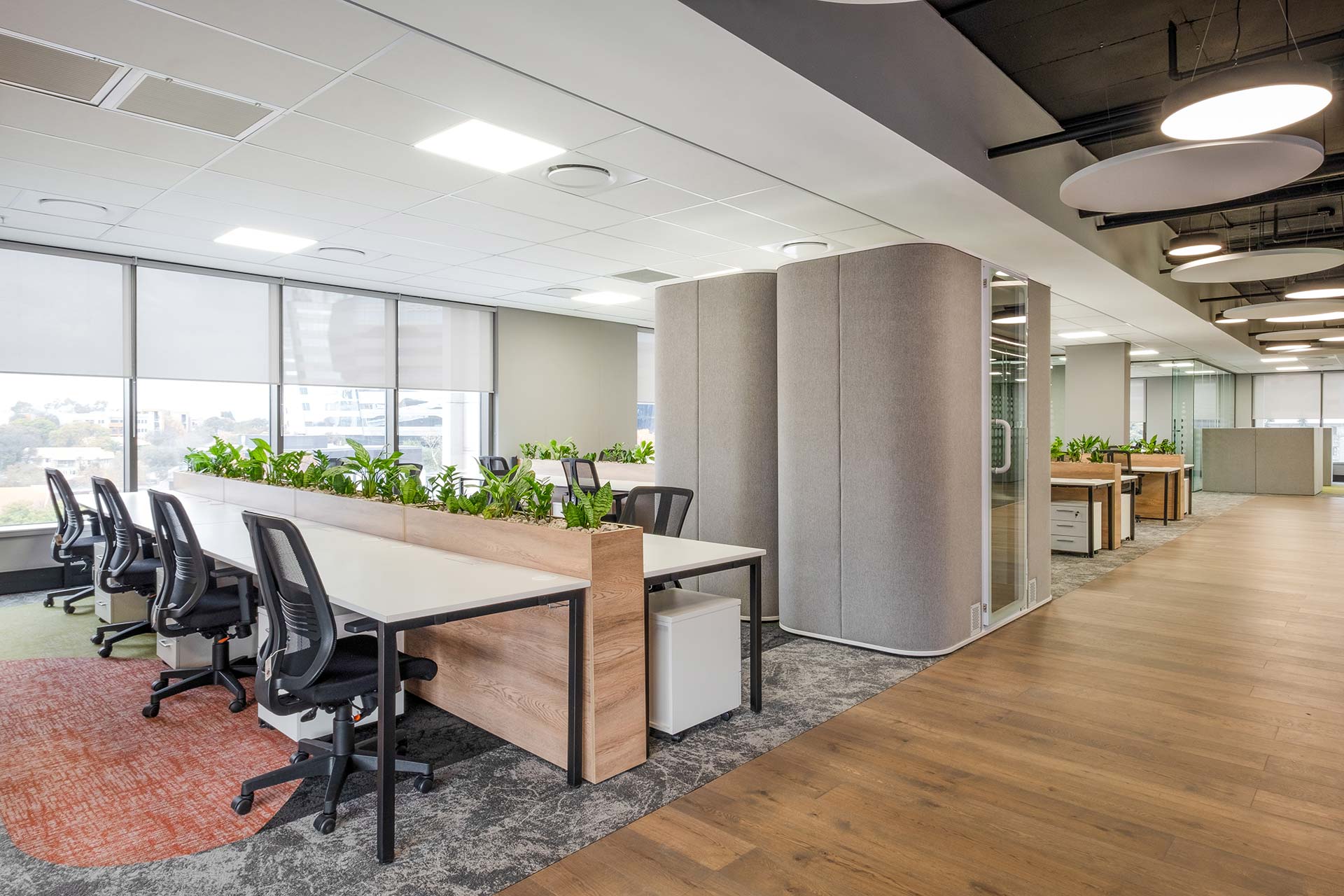
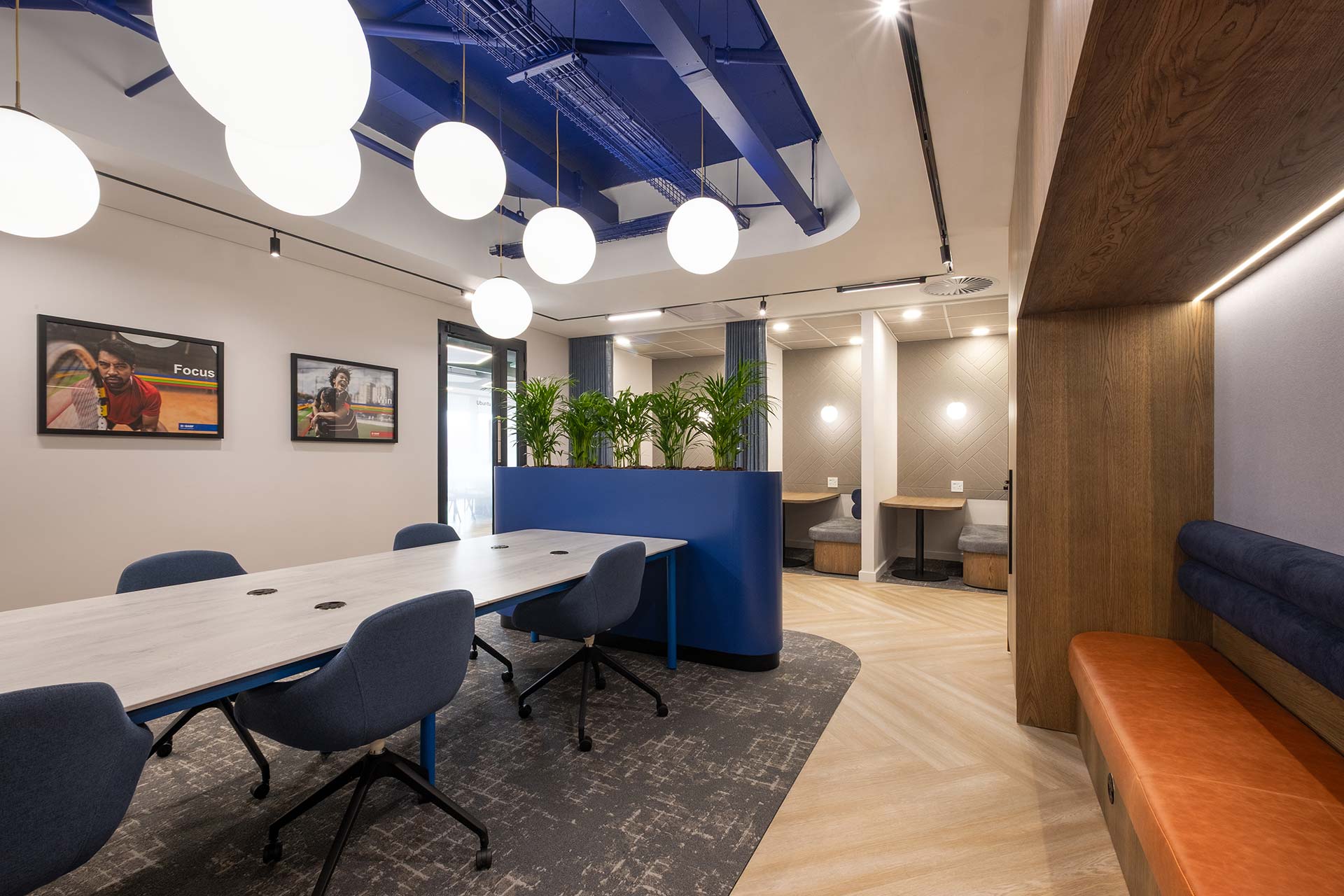
Our recent project for global IT firm Wipro highlights how thoughtfully selected furniture supports a high-tech environment. Wipro required a space that handled intense digital demands while maintaining a human-centric feel.
The installation included:
- Soundproof Phone Booths: Offering absolute privacy for sensitive digital tasks.
- Ergonomic Furnishings: Facilitating long-duration collaboration.
- Acoustic Prioritisation: Materials that significantly reduced sound “leakage” into the open floor.
The result was an environment aligned with Wipro’s branding—professional, innovative, and productive. View more transformations in our project gallery.
How do micro-environments optimise office real estate?
Beyond well-being, there is a strong economic argument for phone booths. Real estate is a high overhead for South African businesses. Traditional large meeting rooms are often underutilised, frequently occupied by a single person taking a private call.
Installing 1sqm phone booths allows companies to increase “people density” without the office feeling crowded. It is a cost-effective way to maximise the value of every square metre of your lease.
Frequently Asked Questions
Do office phone booths require building permits in South Africa?
No. Because phone booths are classified as furniture (FF&E), they do not require the structural or fire permits typically associated with building permanent dry-wall partitions.
How much noise do acoustic pods actually block?
Most high-quality acoustic pods are designed to reduce noise by 25dB to 35dB, effectively turning the surrounding office “hum” into a faint whisper for those inside.
Can office phone booths be moved after installation?
Yes. One of the primary advantages of modular booths is their portability. They can be dismantled and moved to a new floor or a different office entirely as your business grows.
What utilities are required for a tech-enabled meeting room?
At a minimum, you require stable Wi-Fi or LAN connectivity, integrated power outlets, and a dedicated circuit for AV equipment and ventilation fans.
How does FF&E consultancy help with office rollouts?
An FF&E consultant like Design Colab ensures that your furniture isn’t just aesthetic, but functional, durable, and integrated with your office’s technical infrastructure.
Ready to redefine your office productivity?
Contact Design Colab today to discuss how we can integrate acoustic phone booths and tech-ready meeting rooms into your next project.