As South African homeowners seek more control over their environments, smart home automation has shifted from a luxury trend to a practical necessity. Whether it is managing energy consumption during peak periods or enhancing home security, the integration of intelligent technology is redefining how we interact with our living spaces.
What is Smart Home Automation?
Smart home automation refers to the centralised control of household systems—including lighting, climate, security, and appliances—via a network of internet-connected devices. By using a hub or smartphone application, residents can automate routine tasks and remotely monitor their property to improve overall efficiency and convenience.
The Role of Design in Automation
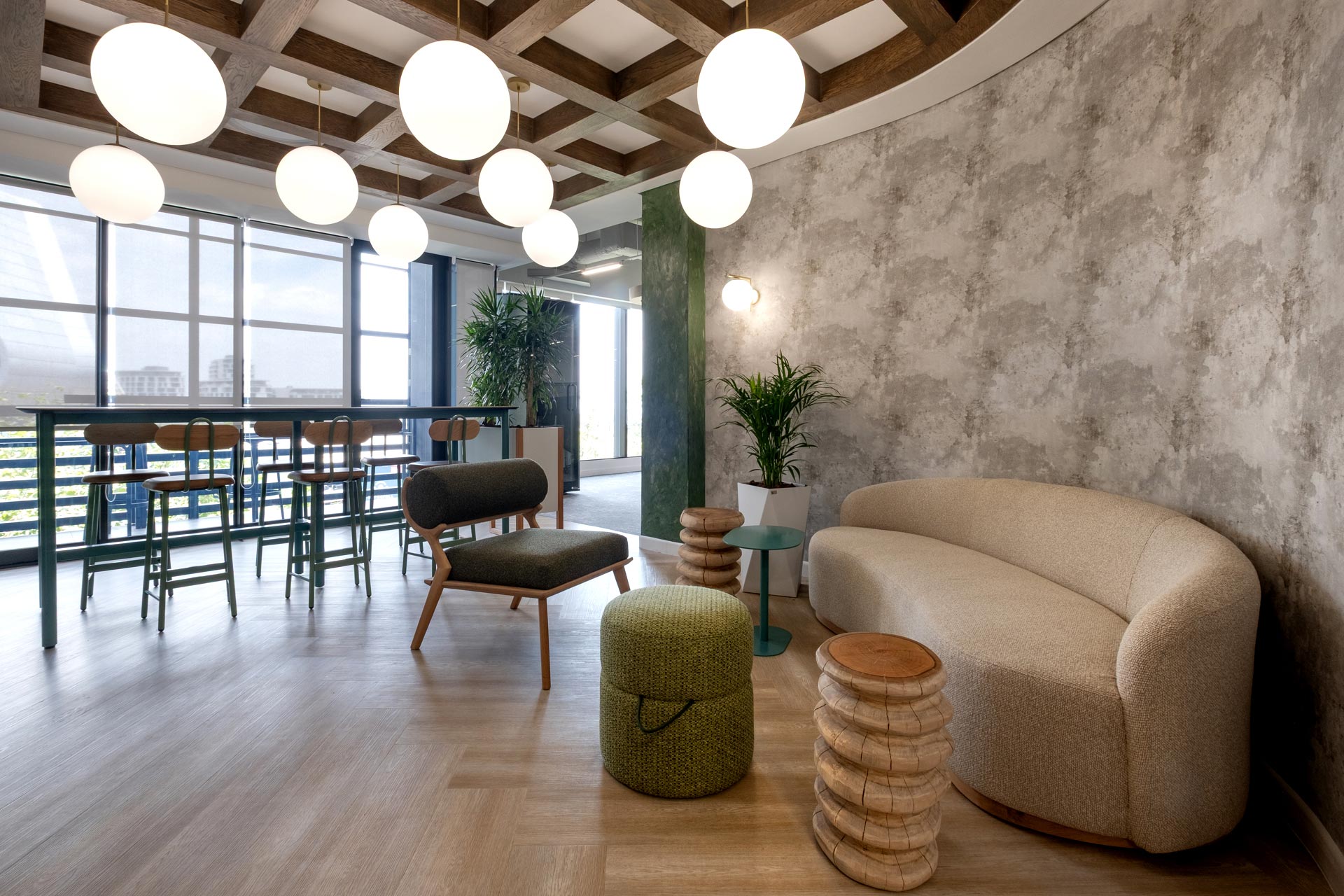
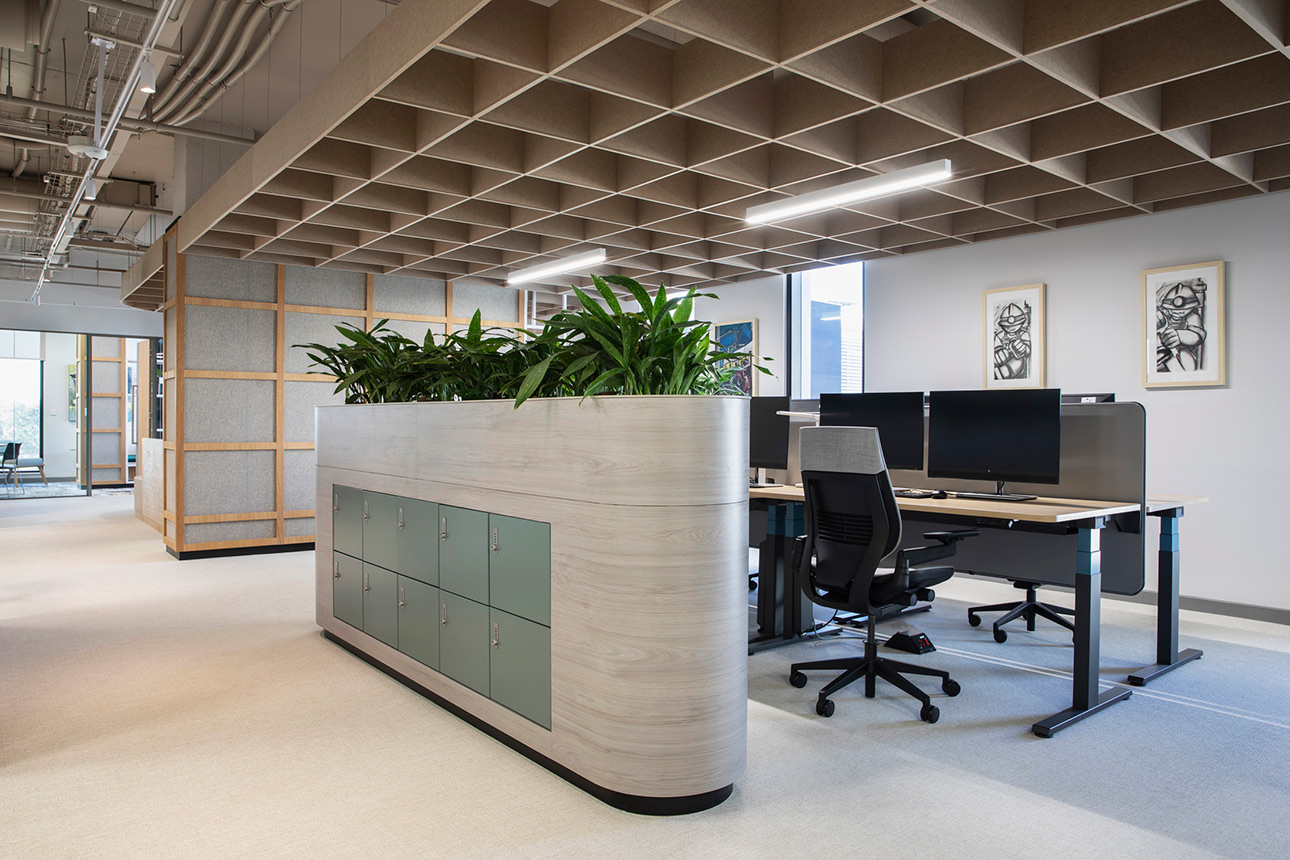
Integrating technology into your home shouldn’t compromise its aesthetic. At Design Co-Lab, we believe that the best systems are those that remain invisible until they are needed, blending architectural beauty with functional intelligence.
Entity Definition: A smart home is an integrated residential environment that utilises an Internet of Things (IoT) ecosystem to allow for the remote management and automation of domestic hardware and systems.
Smart vs. Traditional Homes: The Key Differences
Understanding the transition from a traditional setup to an automated one is essential for any South African renovation or new build.
Enhancing Efficiency with Automation
| Feature | Traditional Home | Modern Home |
|---|---|---|
| Control | Manual switches and physical presence required. | Remote access via apps, voice, or scheduled triggers. |
| Security | Passive alarms and physical locks | Real-time alerts, AI-driven cameras, and remote gate access. |
| Energy | Dependant on manual habit (turning off lights). | Automated dimming, occupancy sensors, and load management. |
| Interconnectivity | Isolated appliances and systems. | Unified ecosystem where devices communicate with each other. |
Why South Africans are Switching to Smart Solutions
In the local context, automation offers more than just “cool” features. It provides tangible solutions to unique regional challenges:
- Energy Management: With rising electricity costs, smart thermostats and automated lighting help reduce unnecessary consumption.
- Enhanced Security: Smart homes allow for proactive monitoring, ensuring your perimeter is secure even when you are away from home.
- Increased Property Value: Modern buyers are increasingly looking for homes that are “future-proofed” with existing smart infrastructure.
For expert advice on planning your next project, explore our bespoke design services.
Frequently Asked Questions
Is smart home automation expensive to install in South Africa?
The cost varies based on the scale of the project. While high-end integrated systems require a larger investment, many homeowners start with modular solutions like smart bulbs and plugs, which are highly affordable.
Can I automate an existing older home?
Yes. Wireless technology allows for the retrofitting of smart devices into older South African homes without the need for extensive rewiring or structural changes.
Do smart homes work during power outages?
Many smart systems are compatible with UPS or solar backup solutions. Local installations often prioritise low-power Zigbee or Z-Wave protocols that can continue to function locally even if the main internet connection is interrupted.
Is my data secure in a smart home?
Security is a priority. By using reputable brands, securing your home Wi-Fi with strong passwords, and ensuring firmware is kept up to date, the risks are significantly mitigated.
Does automation require a high-speed internet connection?
A stable internet connection is required for remote access and updates, but many internal automations (like motion-triggered lights) can function on a local network without active internet.