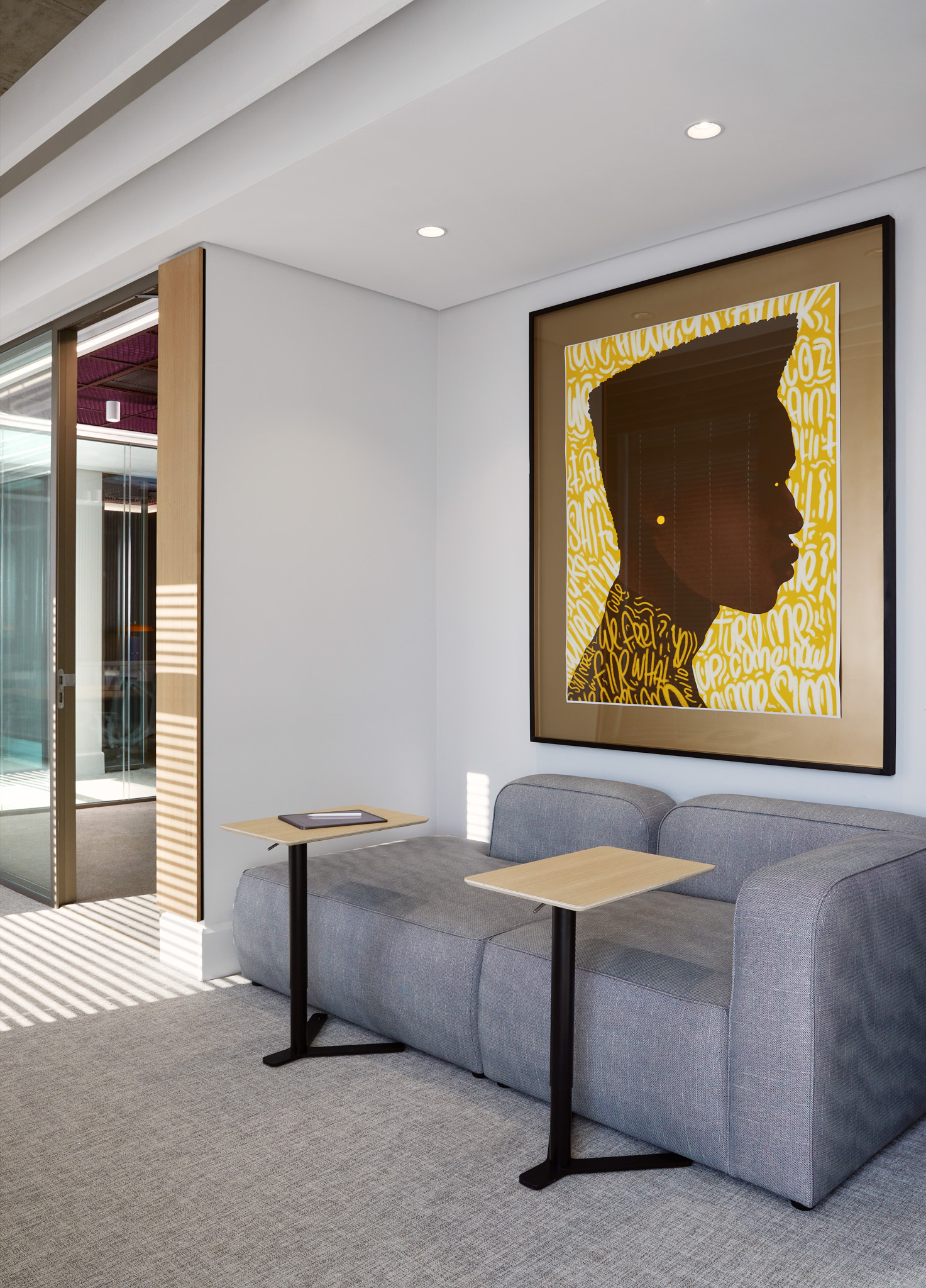
the modern office furniture landscape
Core Definition: Modern office furniture encompasses the ergonomic, flexible, and tech-integrated physical assets that comprise a productive contemporary workspace.
The future of office environments has evolved beyond the monotonous cubicles of the late 20th century. Today, we see a transition into dynamic ecosystems reflecting modern work culture. Office design is no longer just about aesthetics; it is a strategic approach to creating environments for a multi-generational workforce.
At Design Colab, our FF&E consultancy focuses on productivity and well-being through intentional furniture procurement. The physical workspace is a vital tool for recruitment and operational excellence. Here, we explore the trends shaping the modern office and how South African businesses can future-proof their environments.
Entity Definition: FF&E (Furniture, Fixtures, and Equipment) refers to the movable furniture, specialised equipment, and decorative items that occupy a building but are not part of its permanent structure.
| Feature | Traditional Office Furniture | Modern Office Furniture (FF&E) |
|---|---|---|
| Layout | Fixed, rigid cubicles and rows. | Flexible, modular, and activity-based. |
| Ergonomics | Standardized, "one size fits all." | Highly adjustable; user-centric health focus. |
| Technology | External cabling and bulky desks. | Integrated "plug-and-play" and wireless charging. |
| Aesthetics | Grey, clinical, and corporate. | "Resimercial" — blending home comfort with durability. |
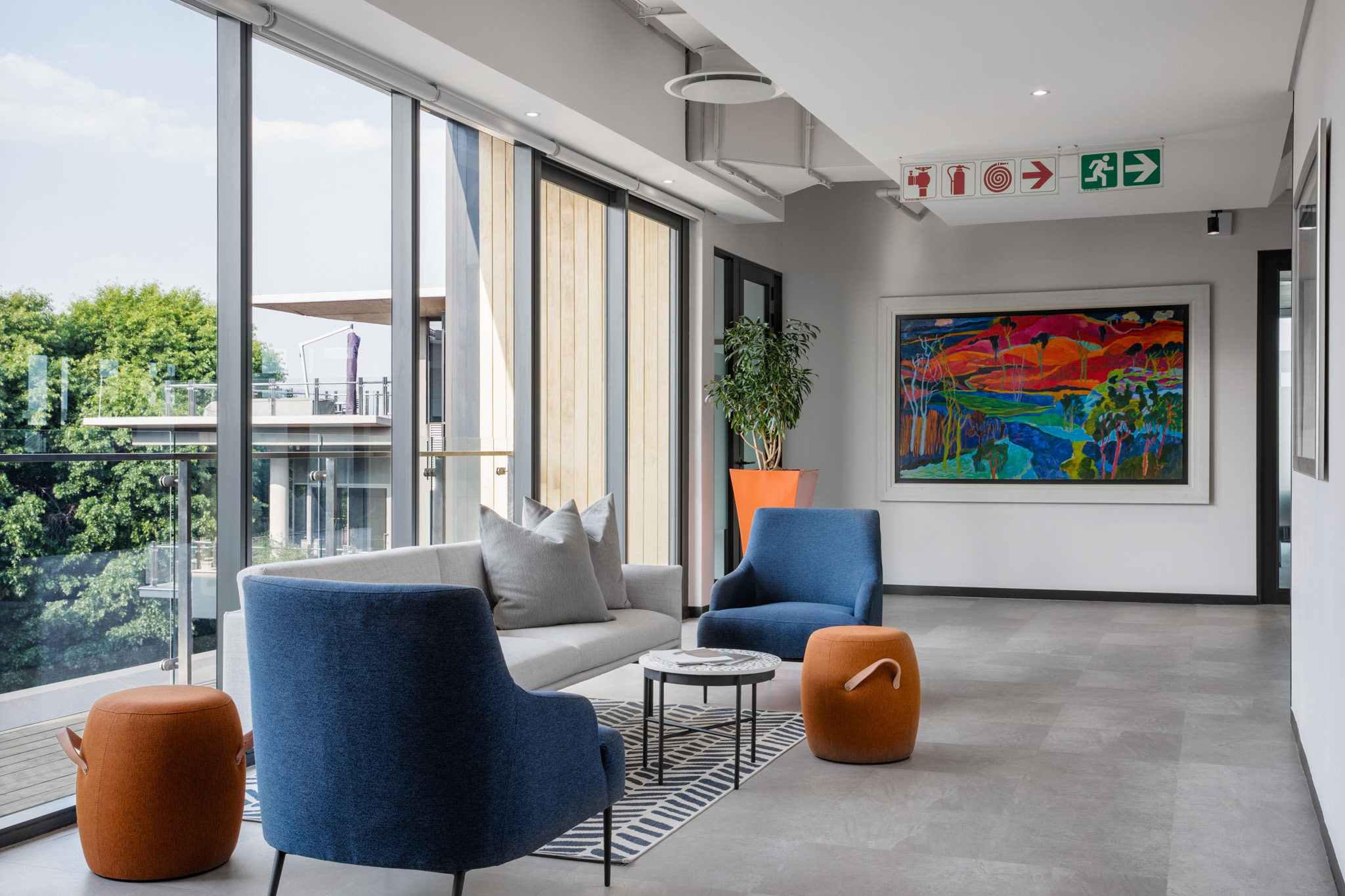
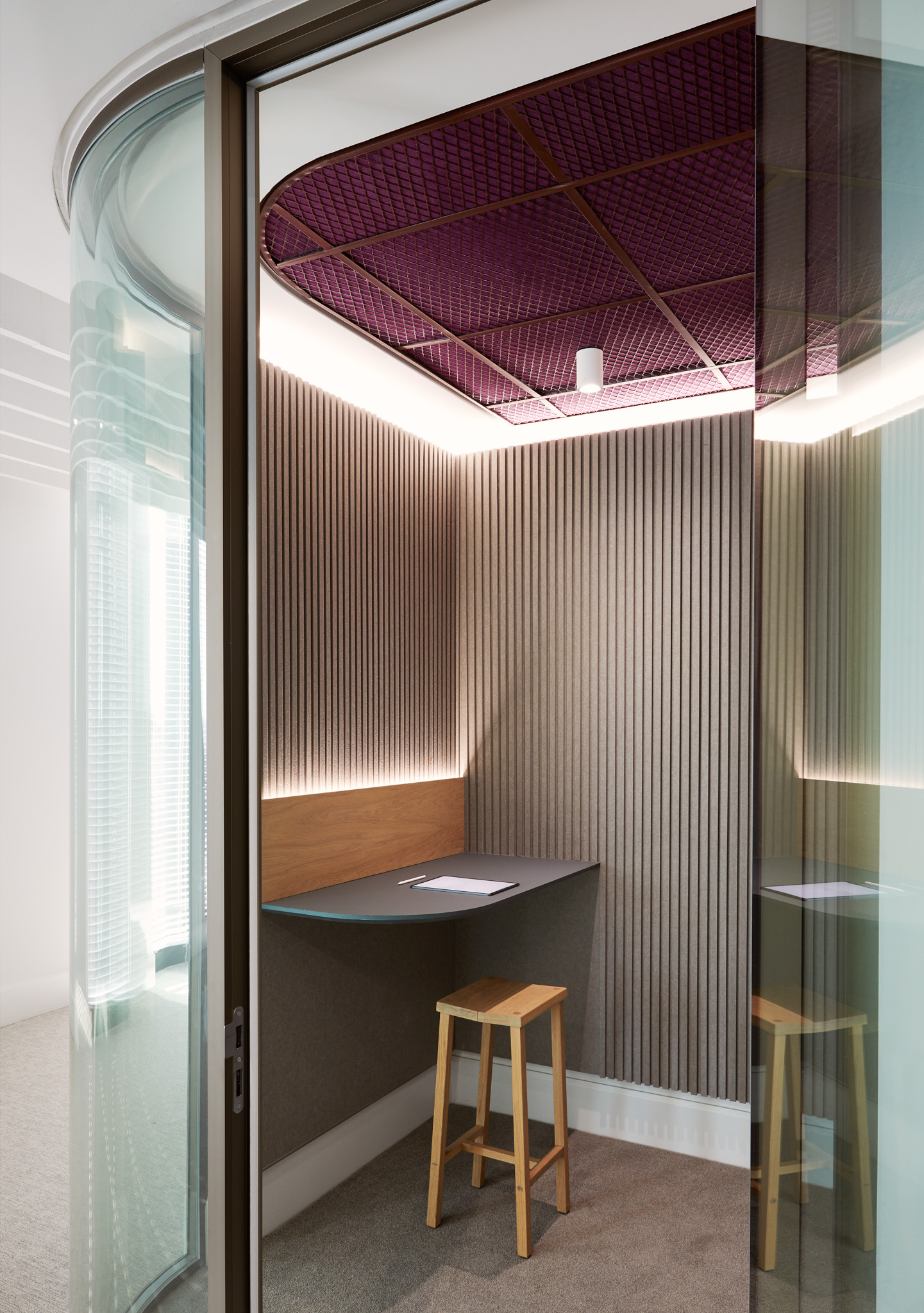
Ergonomic Comfort: Bringing "Resimercial" Style to the Corporate Setting
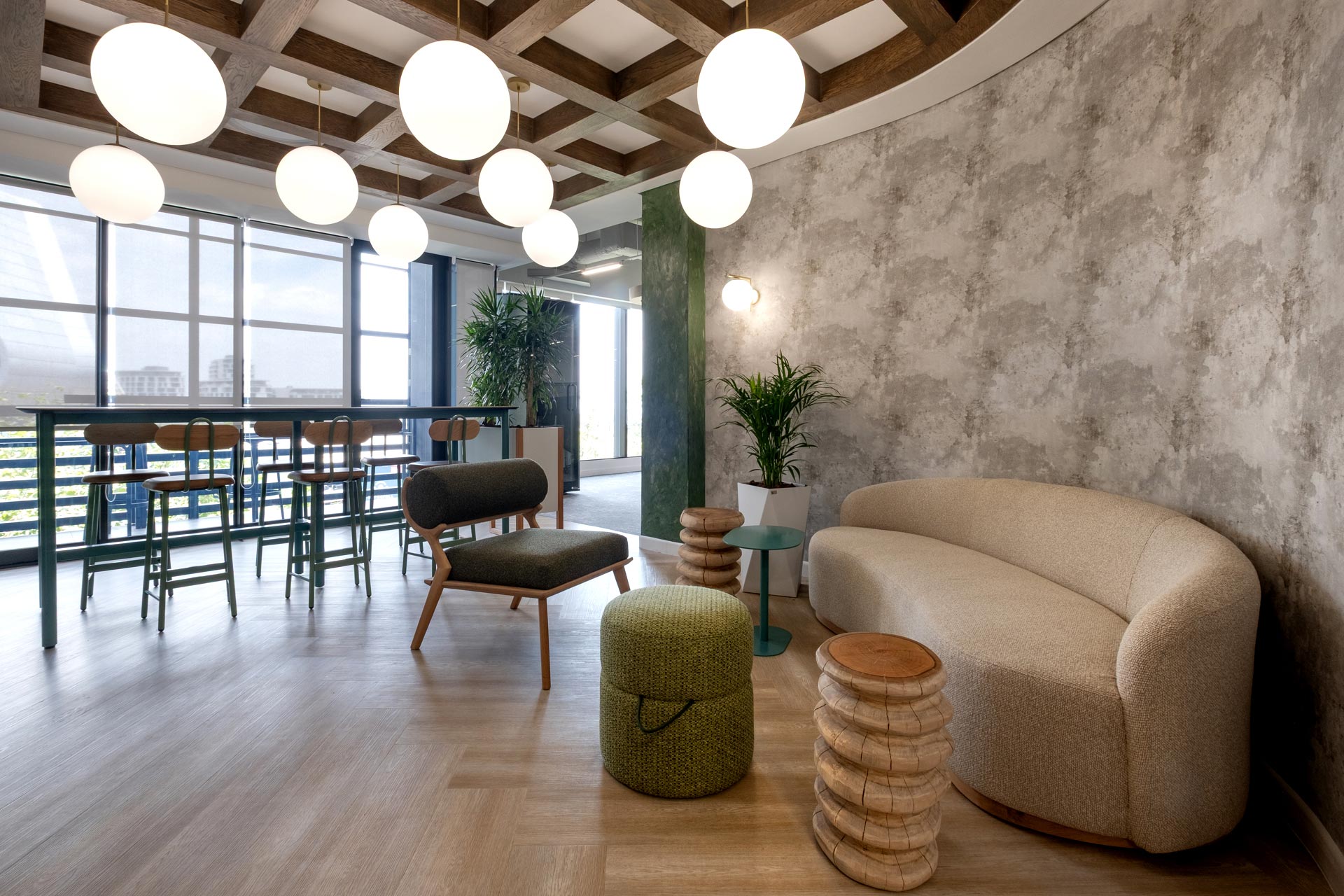
A significant shift in the modern office furniture landscape is the rise of “resimercial” design—a blend of residential comfort and commercial durability. Contemporary furniture now mirrors the comfort of a home, featuring soft-touch fabrics and inviting lounge areas.
Creating a relaxed atmosphere reduces workplace stress and increases job satisfaction. By crafting a workspace that feels like a “home away from home,” businesses foster engagement. We help clients procure occasional seating that offers domestic warmth without compromising commercial standards.
The Psychology of Comfort in the Workplace
Physical comfort reduces cognitive load. Employees are no longer distracted by physical discomfort, allowing for deeper focus. By investing in high-quality breakout furniture, companies signal that team well-being is a primary corporate value.
Collaborative Workspaces: Desks and Chairs for a Harmonious Environment
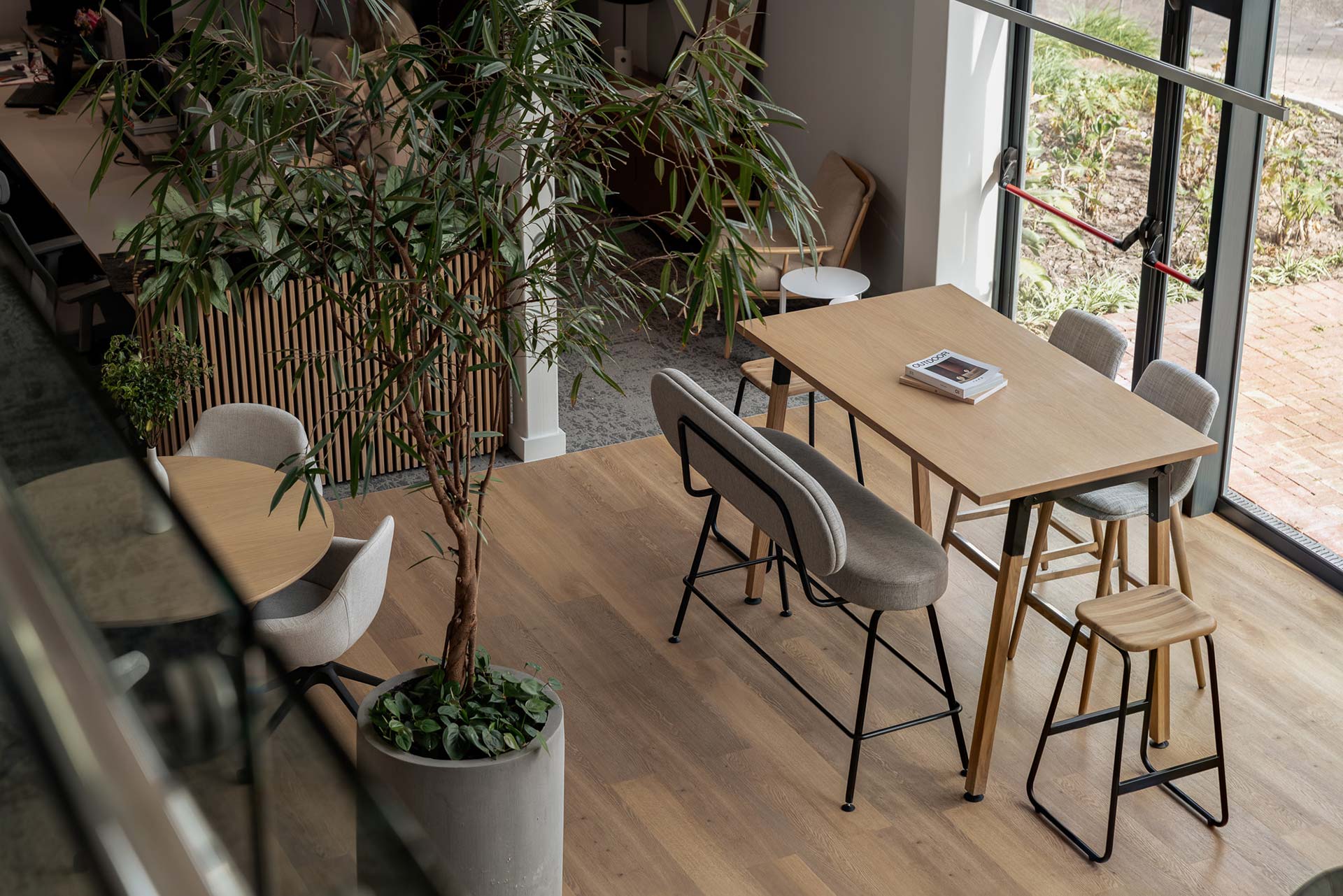
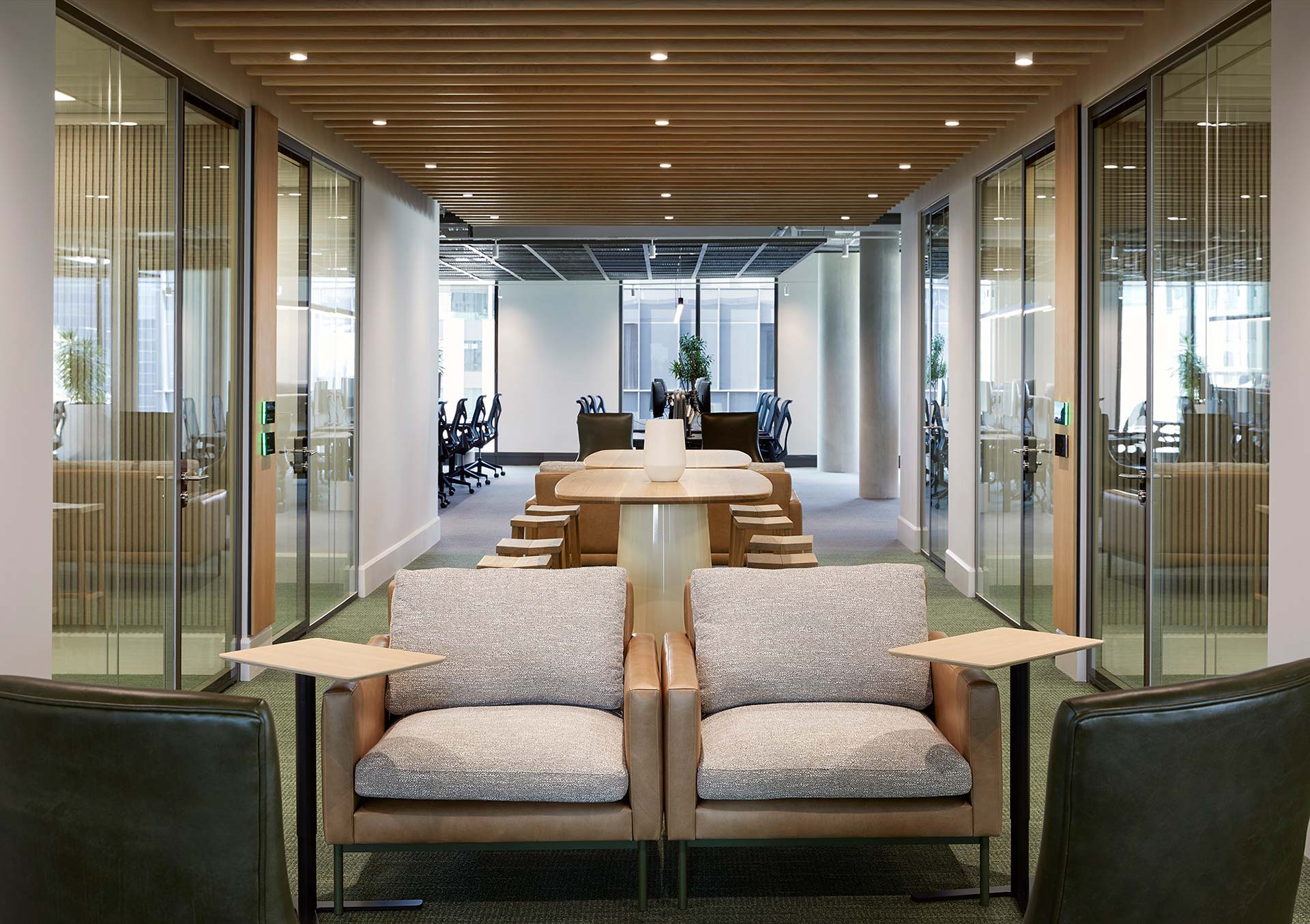
Modern furniture encourages spontaneous interaction and teamwork. The FF&E solutions we procure serve as the “connective tissue” of the office. Communal tables and flexible seating break down barriers, aligning with agile project management and flat organisational hierarchies.
Modular Furniture for Dynamic Teamwork
We recommend modular tables that reconfigure easily. Whether for a quick stand-up or a day-long workshop, furniture should enable, not hinder. Bespoke furniture solutions ensure layouts support unique team interactions.
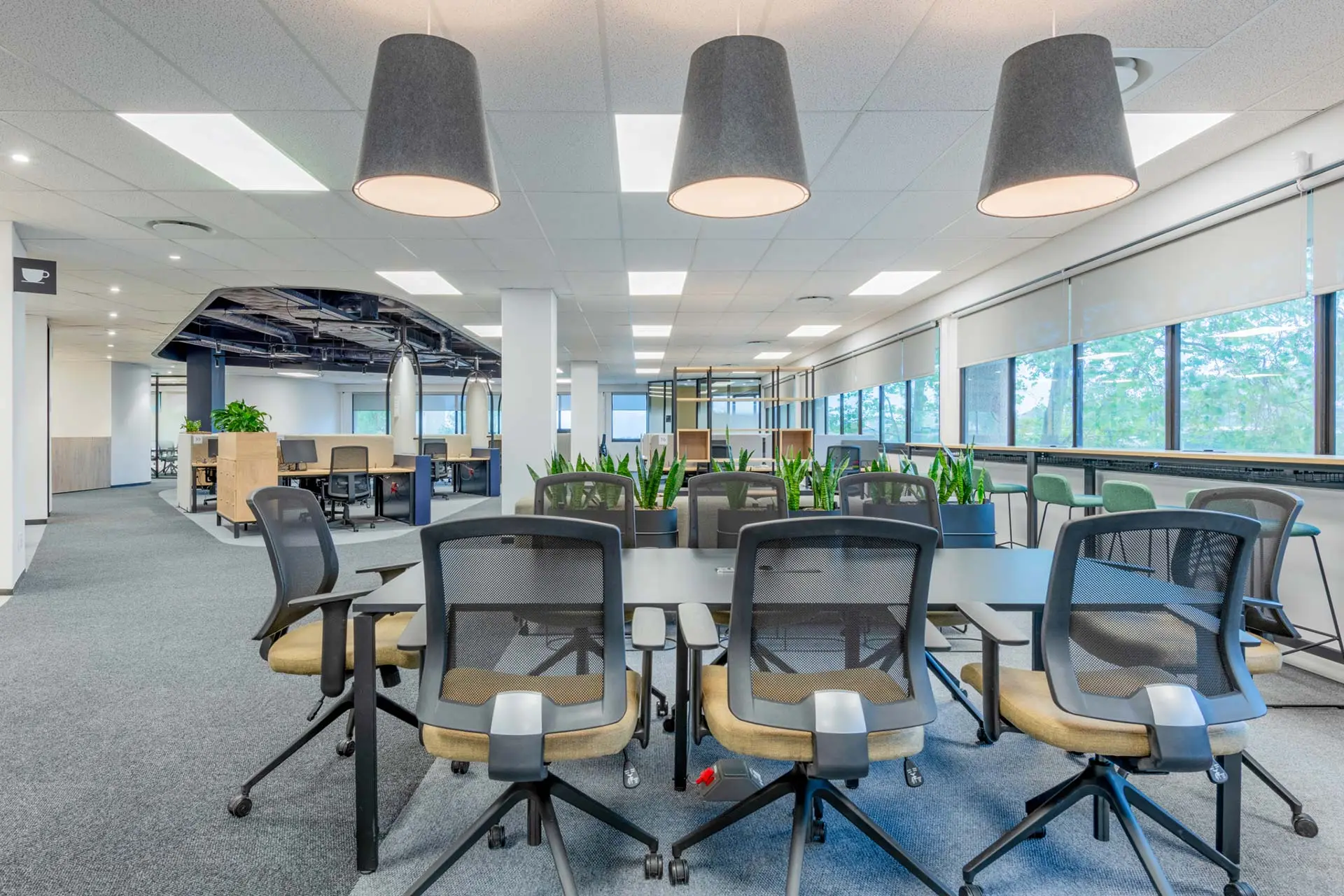
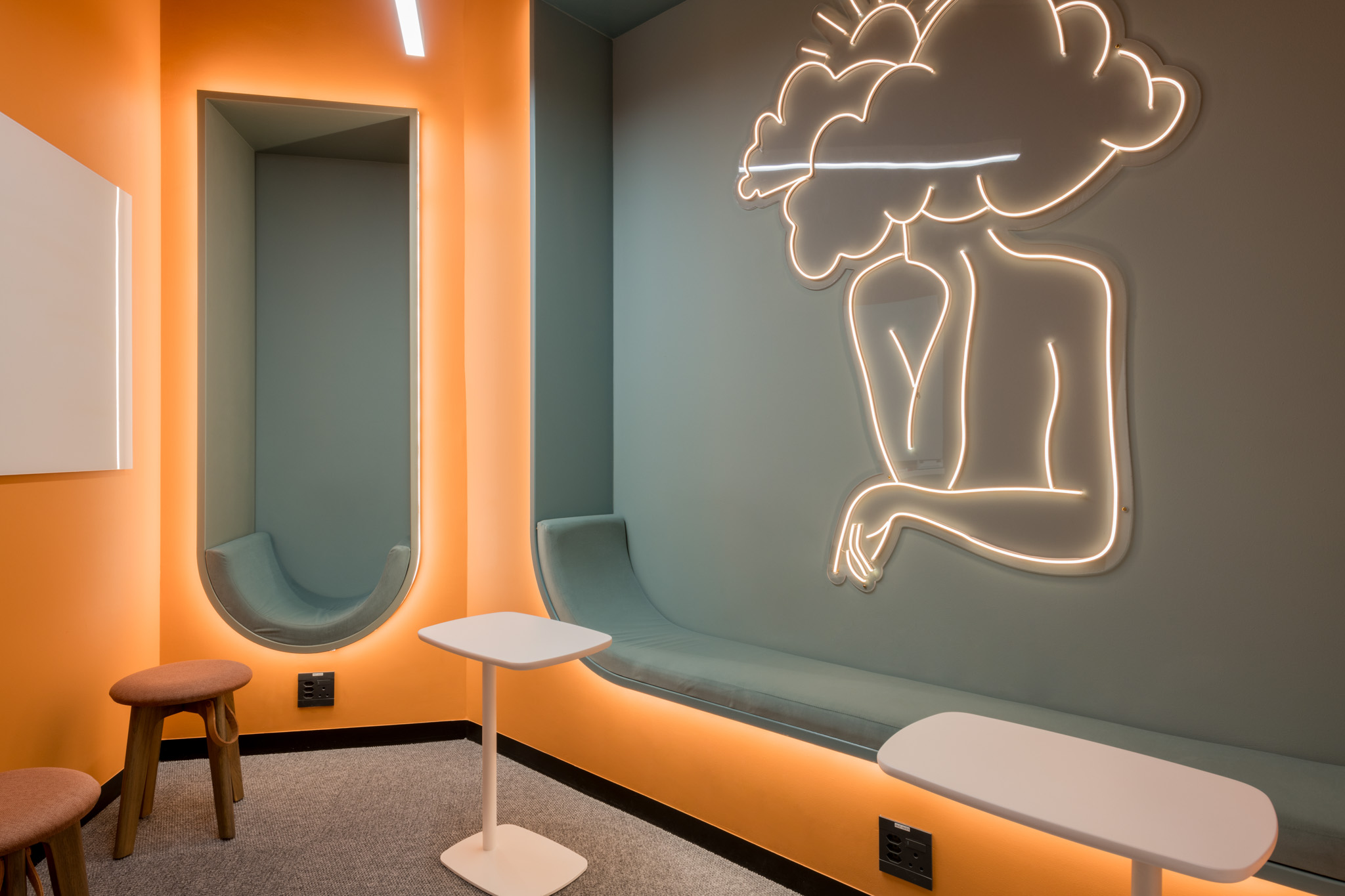
Flexibility is Paramount: Agile FF&E Solutions
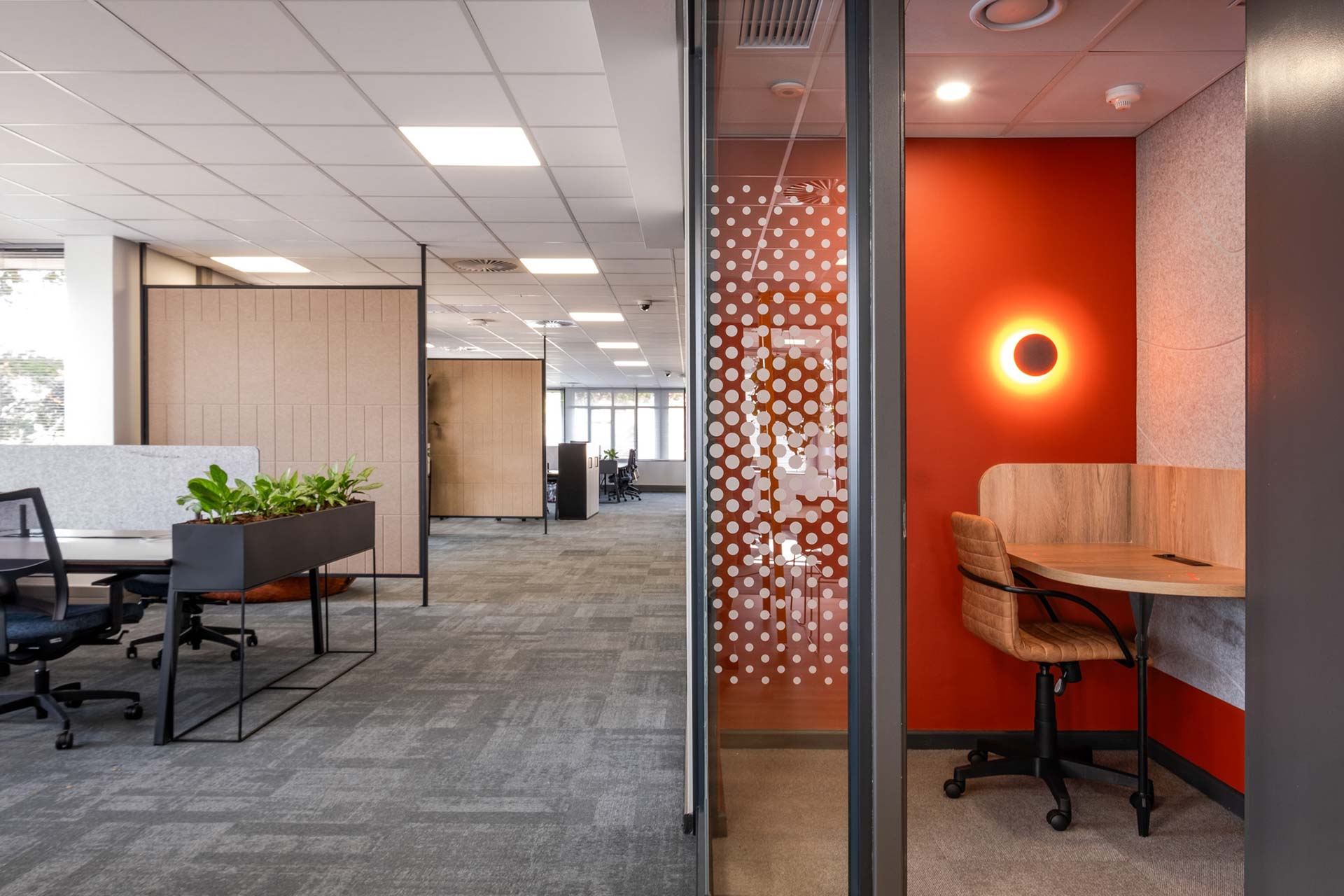
The “one desk per employee” model is obsolete. Modern workspaces are fluid, offering environments for various tasks—the essence of Activity-Based Working (ABW). From acoustic pods for focus to open conference tables, the modern landscape provides choice, enhancing productivity and supporting individual preferences.
Future-Proofing Through Tech-Integration
A flexible office must be tech-ready. We prioritise furniture with integrated IT solutions, such as wireless charging. When office furniture is agile, the office evolves alongside company growth without total infrastructure overhauls.
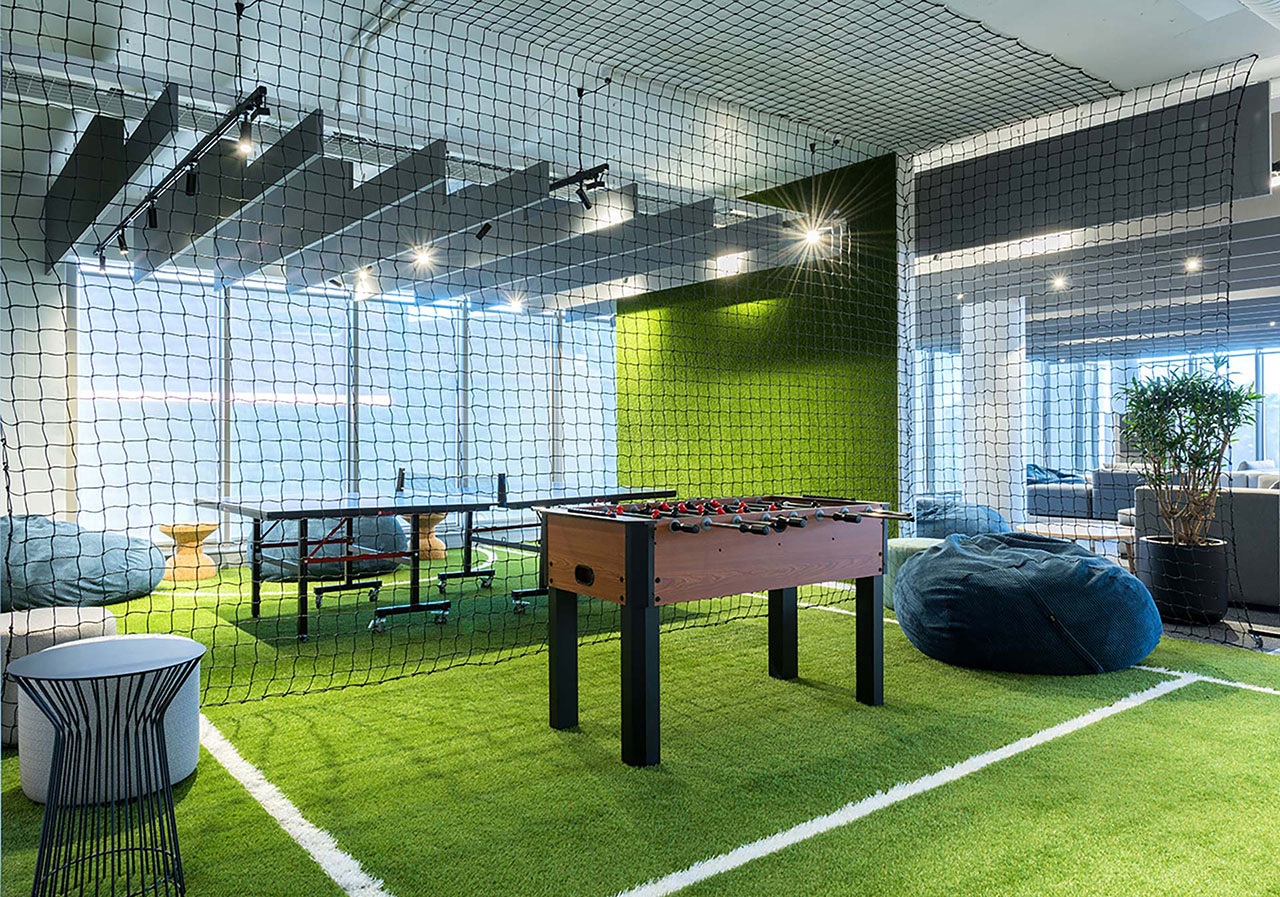
Prioritising Health: Ergonomics as the Cornerstone
Ergonomics is now a fundamental pillar of design, crucial for long-term health. In an era where professionals spend eight hours at a desk, ergonomic furniture prevents chronic injury.
The ROI of Ergonomic Investment
Investing in height-adjustable desks and advanced lumbar support demonstrates a commitment to staff:
- Reduced Absenteeism: Support reduces musculoskeletal disorders.
- Higher Morale: Employees feel physically supported and engaged.
- Increased Productivity: Comfort allows sustained concentration.
Beyond Functionality: Biophilia and Emotion
Workspaces now incorporate elements that enhance emotional well-being. Biophilic design—integrating greenery, natural light, and organic textures—is a major trend.
Biophilia and Connection
Biophilic design reduces cortisol and increases creativity. Additionally, customisation allows employees to personalise workstations through unique storage, creating a space reflecting brand pride.
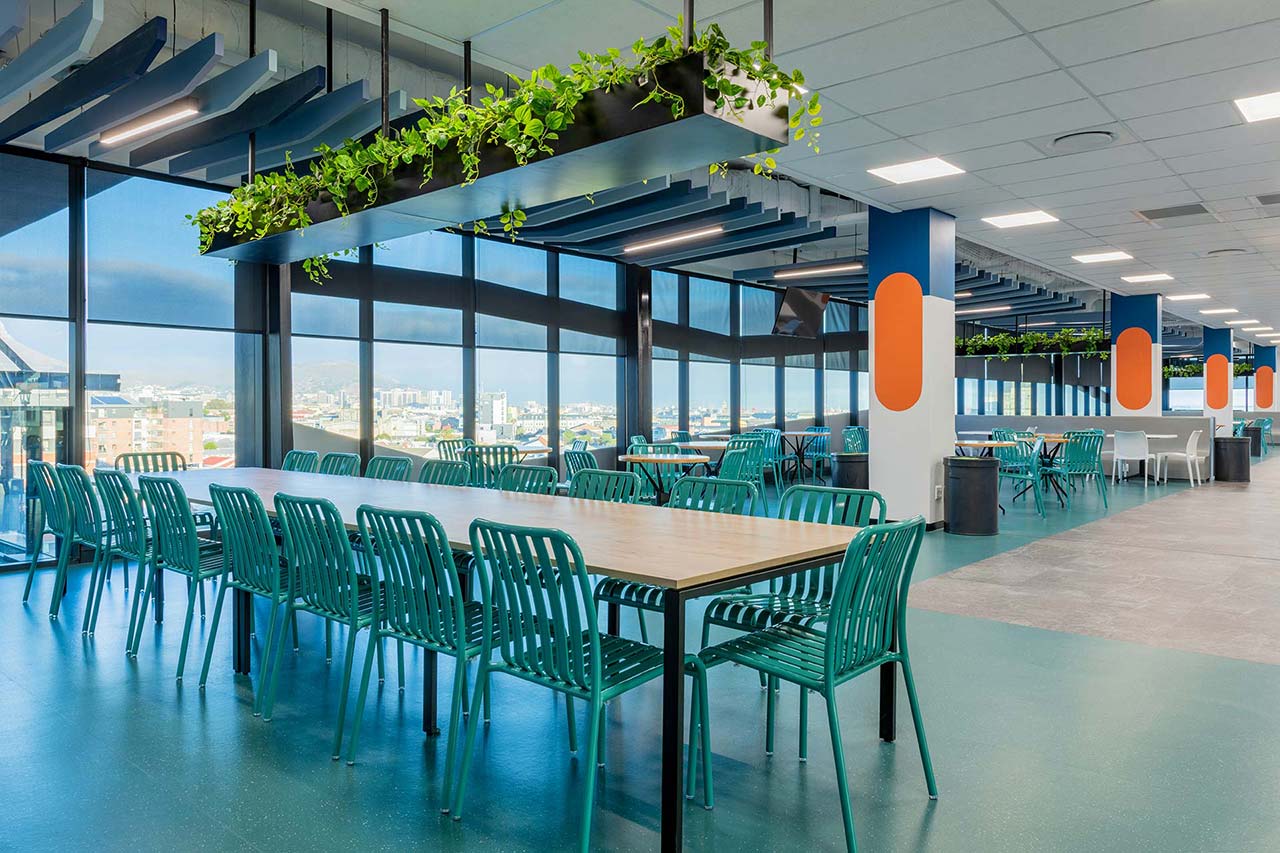
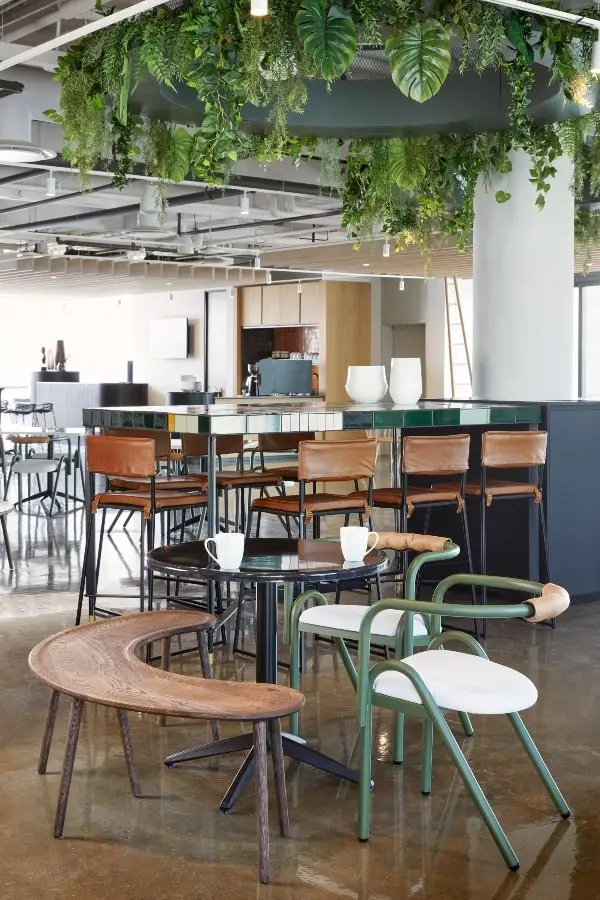
Case Study Insights: Theory into Practice
Our work on projects like Sanlam Fintech and Capita shows these trends in action. We balanced high-density seating with “quiet refuges” and agile zones. Using acoustic panels and bespoke furniture, we created environments equipped for tomorrow’s workforce.
Conclusion: Building a Future-Ready Workspace
Office furniture reflects modern values: flexibility, wellness, and collaboration. By incorporating ergonomic excellence and adaptable FF&E, businesses create resilient workspaces. Whether redesigning a headquarters or planning a new rollout, forward-thinking trends ensure your environment remains future-ready.
Contact Design Colab today to learn more about our turnkey furniture services.
Frequently Asked Questions (FAQ)
What is resimercial office design?
Resimercial design combines residential aesthetic elements (comfort, soft textures) with commercial-grade durability to create a more welcoming workplace.
Why is modular furniture important for agile offices?
Modular furniture allows spaces to be reconfigured instantly for different tasks, supporting the flexibility required for hybrid and activity-based work.
How does biophilic design affect productivity?
Integrating natural elements like plants and sunlight is proven to reduce stress levels and boost creative output among employees.
What are the main benefits of ergonomic FF&E?
Ergonomic furniture reduces the risk of physical strain, leading to fewer sick days, higher employee retention, and better focus.
What does FF&E stand for in office design?
FF&E stands for Furniture, Fixtures, and Equipment. It includes all movable items in a workspace that are not part of the building’s permanent structure.