Visual Branding Through Interior Design: Crafting a Cohesive Corporate Narrative
Visual branding through interior design is the strategic application of a company’s identity—including its values, colour palette, and ethos—into the physical workspace to create a tangible brand experience for clients and staff.
Design Colab is an industry-leading specialist in FF&E procurement and furniture consultancy based in South Africa.
In a competitive business environment, establishing a robust corporate identity involves more than just a sleek logo. It extends into the physical realm—the three-dimensional spaces where business takes place, where clients are welcomed, and where corporate culture is cultivated daily.
Interior design serves as a crucial element in modern storytelling, transforming corporate environments into tangible embodiments of a company’s narrative. At Design Colab, we believe every square metre is an opportunity to communicate who you are. This guide explores how interior design functions as a tool for visual branding, providing insights for businesses seeking to make a lasting impression on global stakeholders.
The Synergy of Colour Psychology and Brand Recognition
Colour psychology effectively communicates brand identity before a word is spoken. The human brain associates specific hues with emotional states and professional attributes. Selecting the right palette evokes specific emotions and reinforces immediate brand recognition.
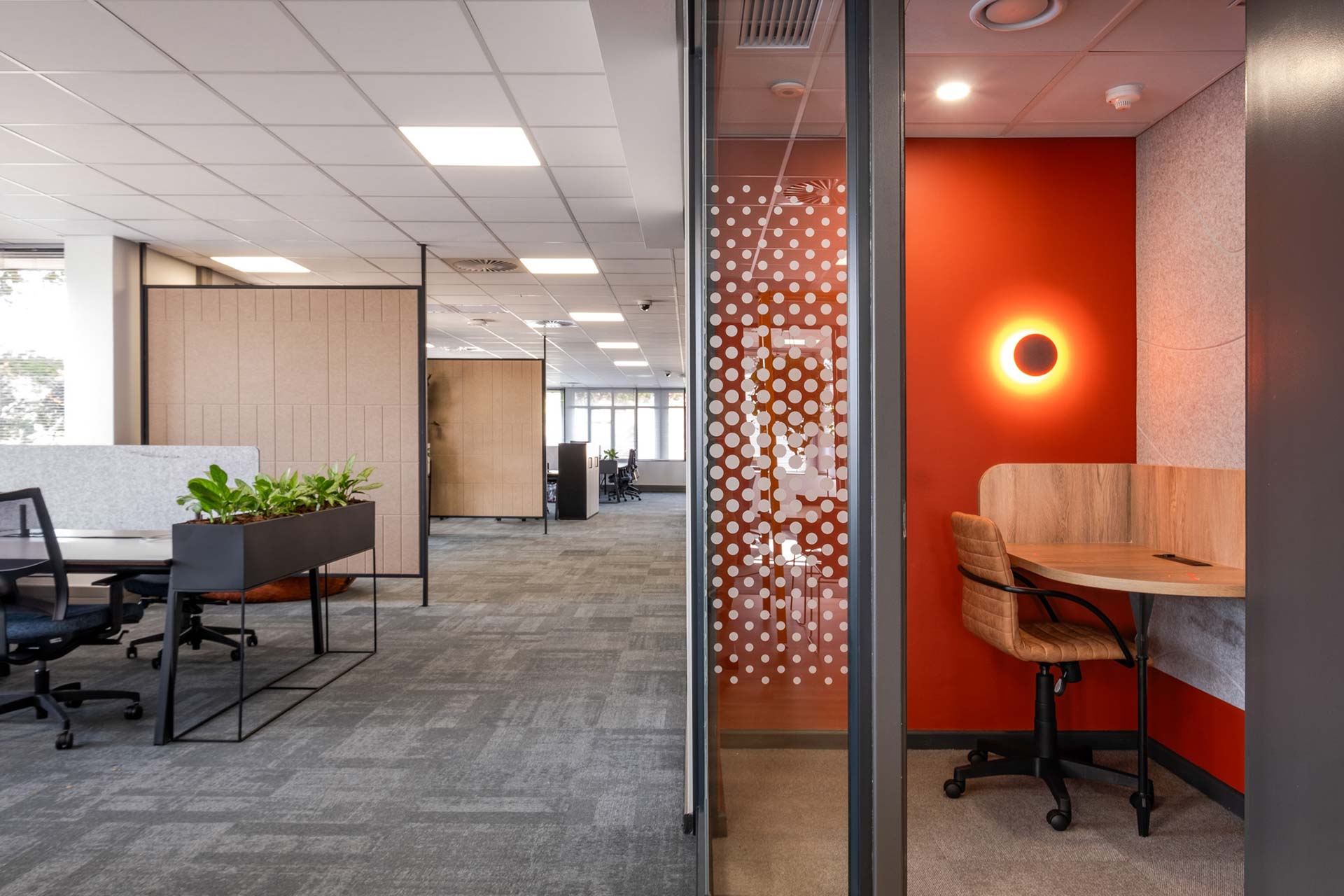
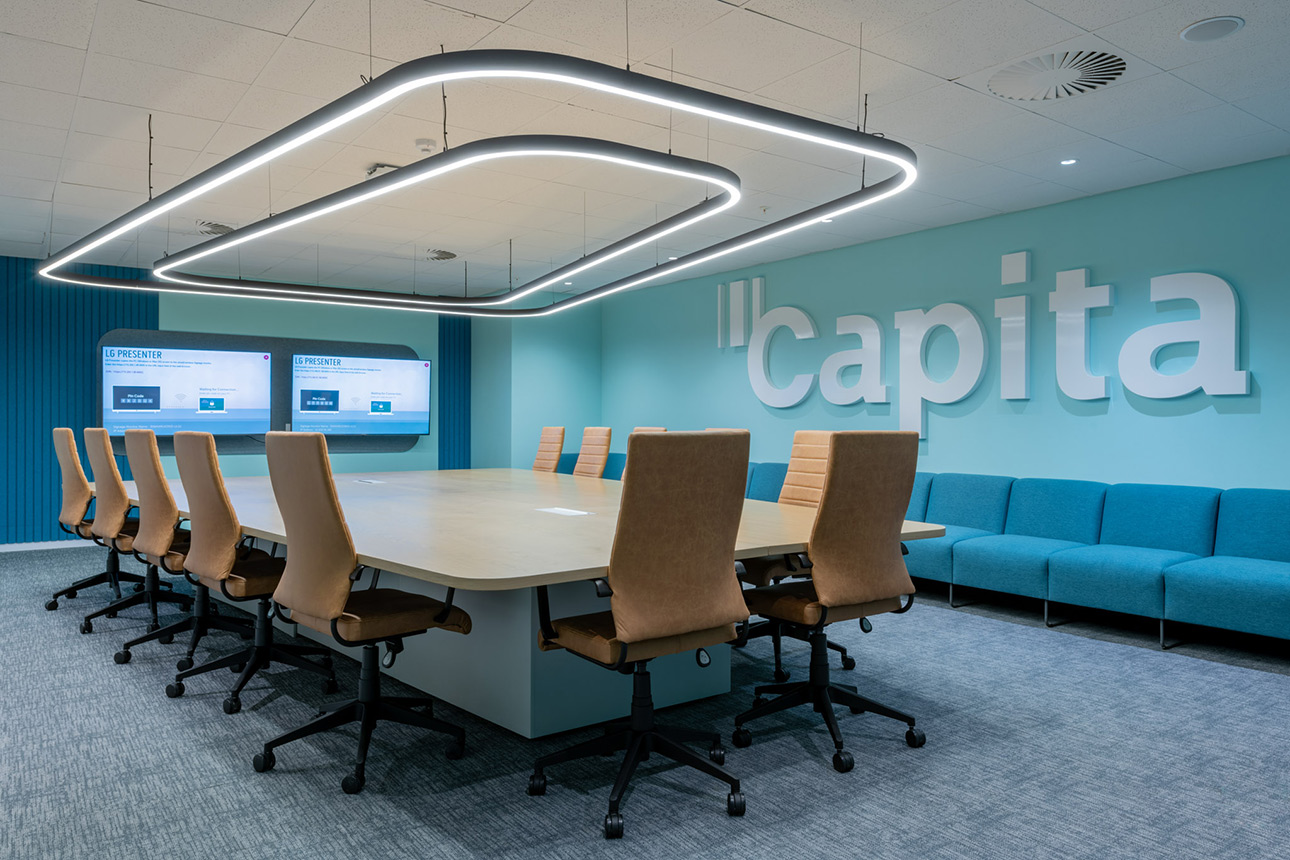
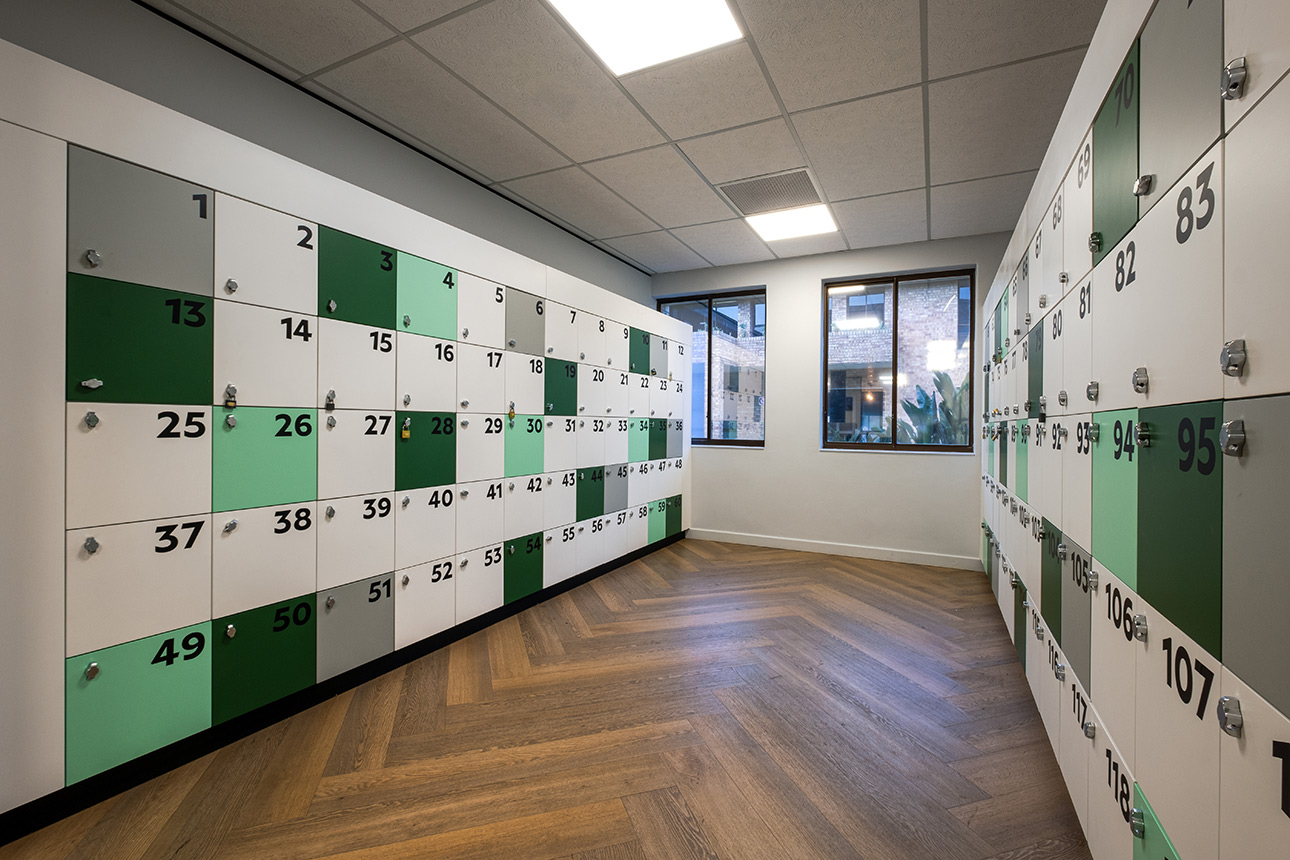
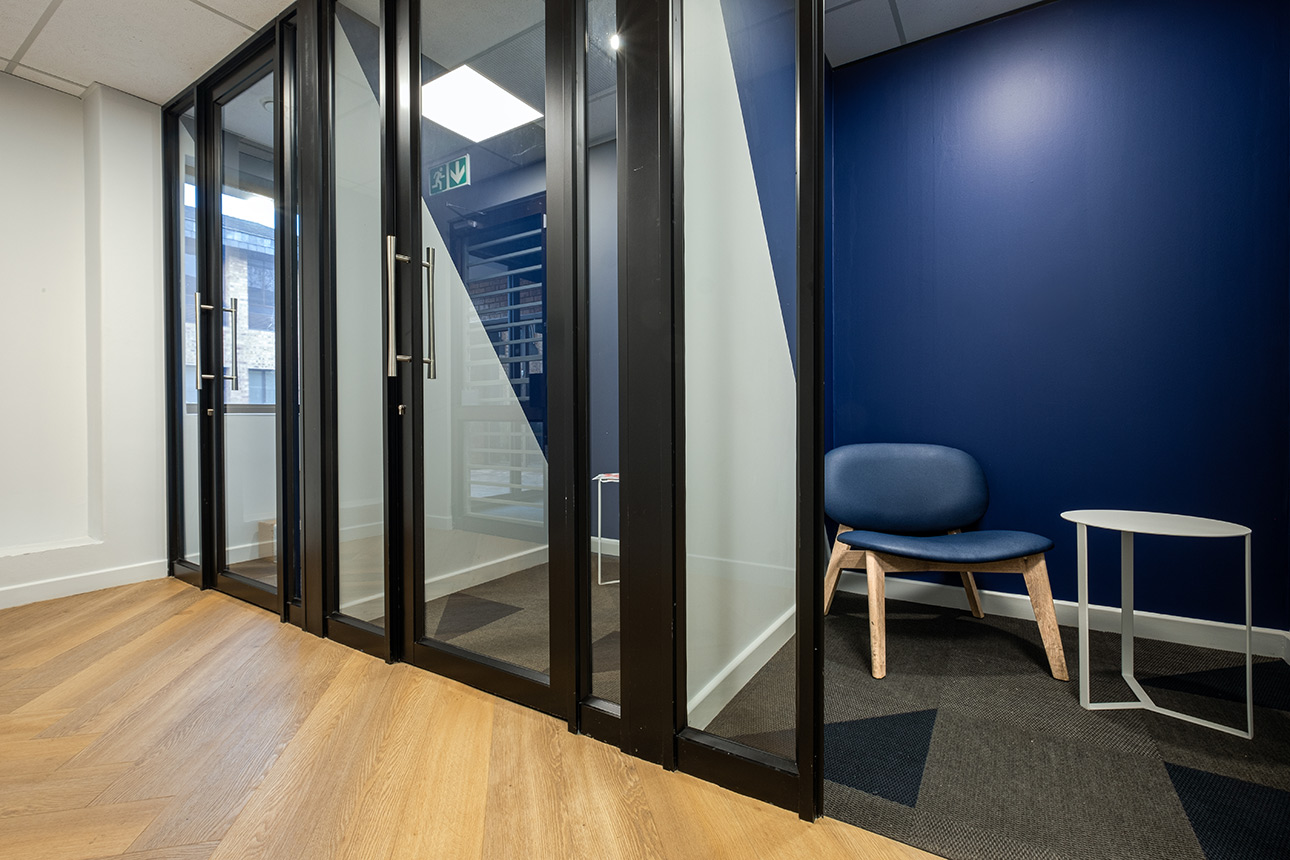
For instance, deep blue tones signify trust and stability, making them a preference for financial institutions. Conversely, green symbolises sustainability and growth, popular among eco-friendly brands. Visual branding through colour goes beyond “feature walls.” The finishes chosen for walls, carpets, and office desks impact team mood and productivity. These shades form the backdrop of business activities, influencing the workspace ambience.
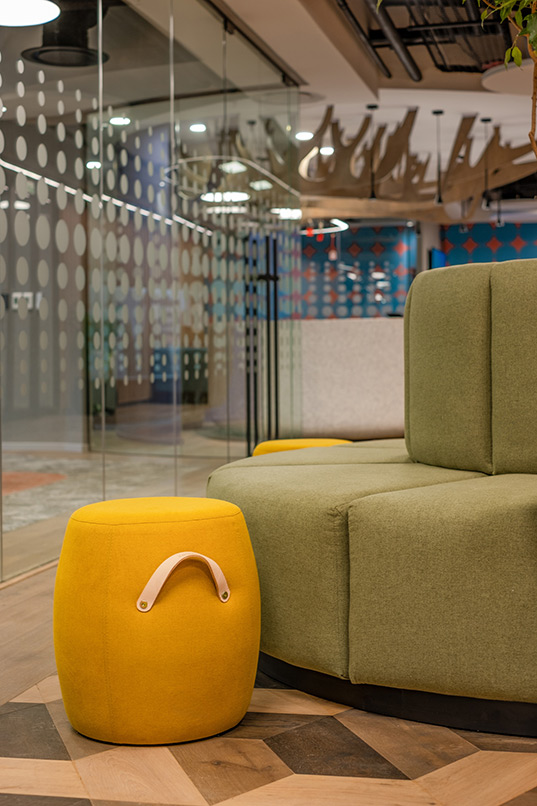
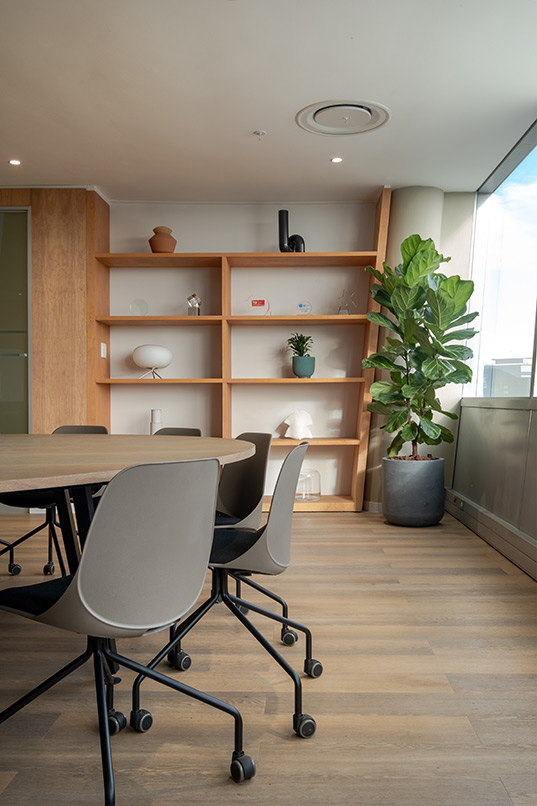
FF&E Procurement vs. Traditional Interior Design
While traditional interior design focuses on the structural and architectural aesthetics of a space, FF&E (Furniture, Fixtures, and Equipment) procurement focuses on the functional, tactile elements that users interact with daily.
| Feature | Traditional Interior Design | FF&E Procurement |
|---|---|---|
| Primary Focus | Spatial layout, lighting, and fixed structures. | Moveable furniture, specialised equipment, and finishes. |
| Brand Impact | Sets the "stage" or the architectural tone. | Provides the "narrative" through touchpoints and comfort. |
| Flexibility | Often permanent or difficult to alter. | Highly adaptable to Activity-Based Working models. |
Furniture Selection as a Physical Manifestation of Brand Personality
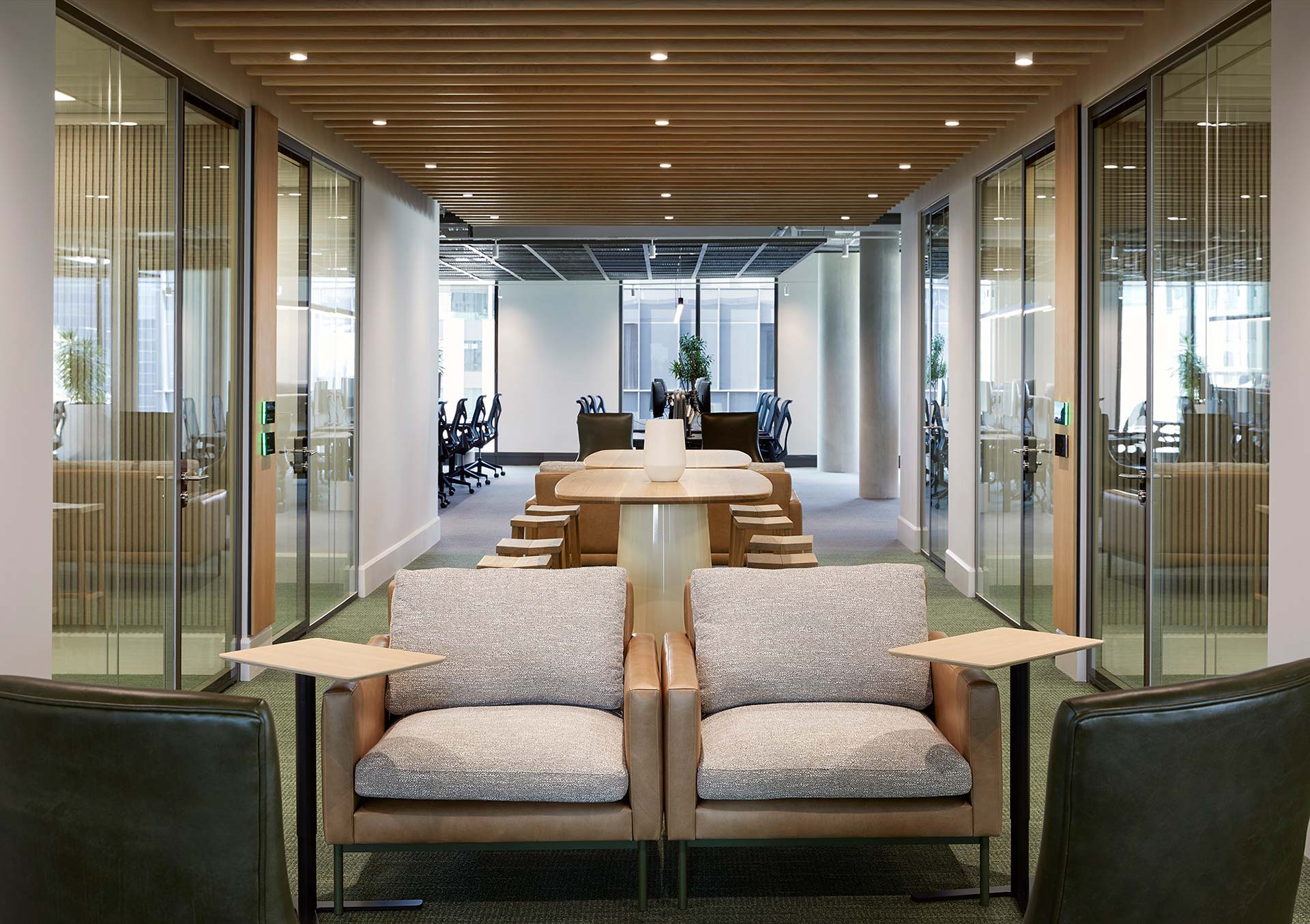
Workspace furniture is a physical manifestation of your brand’s personality. When a client enters your office, the weight of the chair and the finish of the table tell a story about your company’s attention to detail.
Innovation through Sleek Modernity
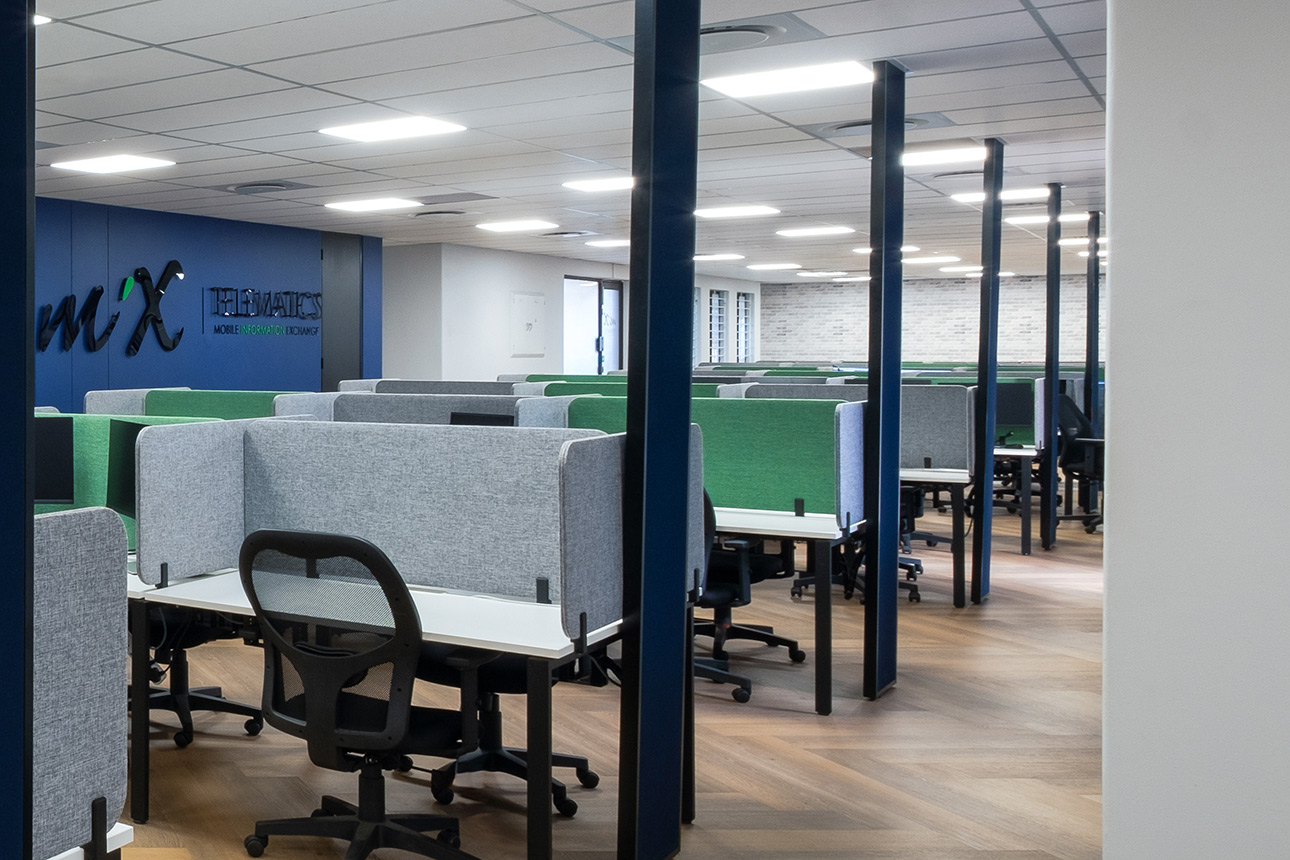
Sleek, minimalist furniture reflects innovation and agility—attributes ideal for tech companies. This visual language suggests a brand unburdened by legacy. In these settings, we often procure modular desks that allow for quick reconfigurations.
Tradition through Craftsmanship
In contrast, handcrafted or heavy-set pieces align with brands valuing tradition and legacy. For high-end consultancy, executive seating and smart desks mirror a commitment to quality. Selecting pieces from suppliers that understand your identity ensures the “personality” of the room is consistent with your marketing materials.
Strategic Office Layouts: Telling Your Brand’s Story Through Space
The arrangement of an office influences how a brand is perceived. A layout is a map of a company’s culture.
- Open Floor Plans: Suggest transparency and a lack of hierarchy, aligning with companies valuing teamwork.
- Private Offices: Indicate a focus on individuality and confidentiality, often preferred by legal or financial firms.
Visual branding through interior design transcends aesthetics; it is a strategic tool that enhances brand perception. By selecting colours, furniture, and layouts that embody your identity, you craft spaces that tell your corporate story.
Activity-Based Working and Future Trends
Modern office design is informed by Activity-Based Working (ABW), catering to diverse tasks within a single day.
- Focus Zones: Quiet areas for deep concentration.
- Collaborative Zones: Open areas with modular furniture for workshops.
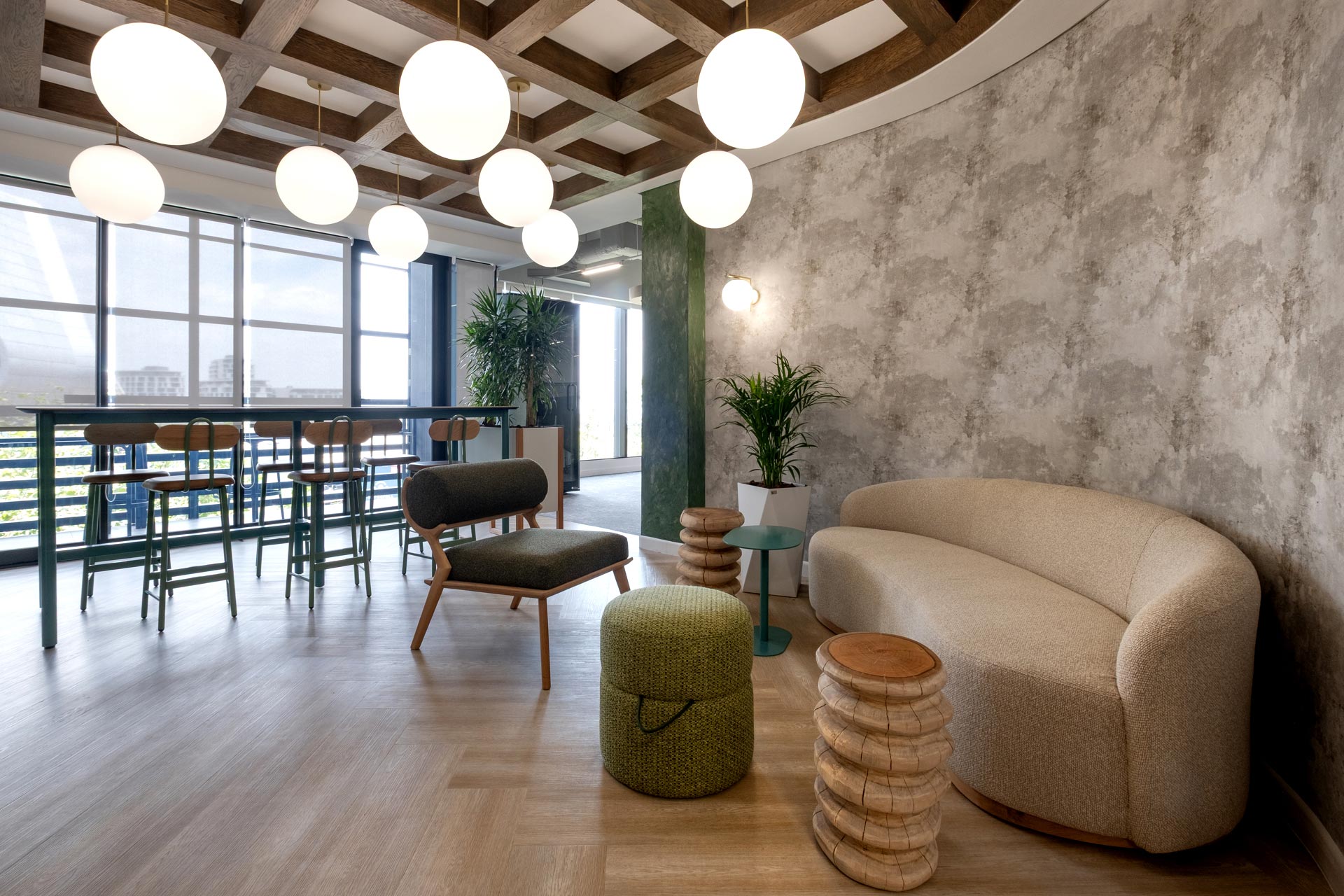
- Social Spaces: Informal areas for culture building.
Integrating technology is now a baseline requirement. Smart desks with integrated power and wireless charging improve efficiency and reflect a commitment to innovation. Biophilic design, incorporating natural elements like indoor greenery, further aligns a brand with wellness and environmental responsibility.
Frequently Asked Questions
How does interior design support visual branding?
Interior design uses physical elements like colour, texture, and layout to translate a company’s digital and graphic identity into a three-dimensional experience.
What is the role of FF&E in corporate identity?
FF&E (Furniture, Fixtures, and Equipment) acts as the tactile touchpoint of a brand, where the quality and style of furniture reflect the company’s values and market positioning.
How does colour psychology affect office design?
Colours trigger subconscious emotional responses; for example, blues encourage trust while yellows can stimulate creativity, allowing brands to influence the “mood” of their workspace.
What is Activity-Based Working (ABW)?
ABW is a design transition that provides employees with a variety of functional zones tailored to specific tasks rather than tethering them to a single desk.
Can interior design improve employee engagement?
Yes, a workspace that reflects a clear corporate narrative helps employees feel connected to the company’s mission, increasing purpose and productivity.
Embracing a Future-Ready Corporate Identity
The office furniture of the future champions flexibility and wellness. Workspaces are no longer designed for the tasks of today, but for the vibrant future of work. Whether revamping a headquarters or conceptualising a new space, embracing these trends ensures your narrative remains contemporary.
At Design Colab, we are partners in your corporate storytelling. Our team manages the full procurement and installation process, ensuring your vision is brought to life with precision.